
Beautiful Plants For Your Interior

What is the healthiest type of water to drink? Explore purity, safety, and the best filtered water options for your home and family.
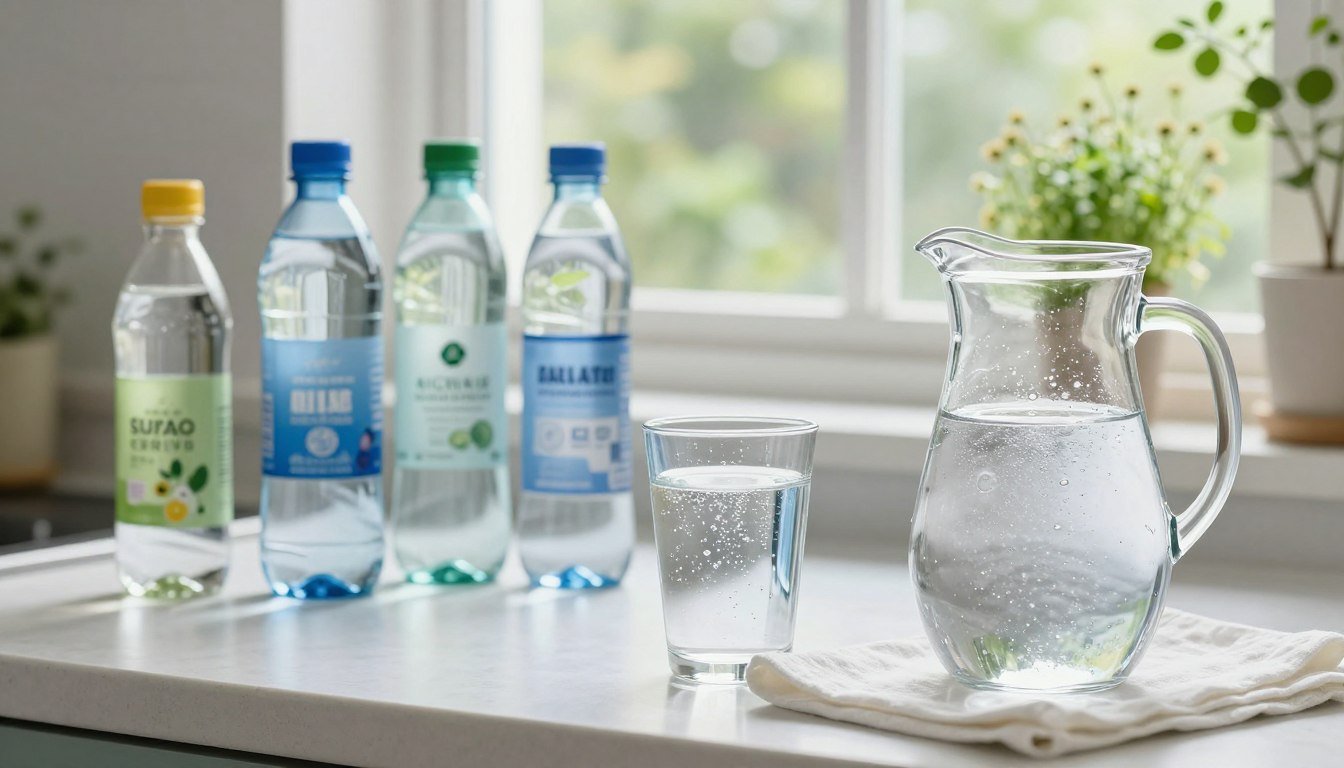
Every system in your body relies on hydration to function, as water makes up roughly 60% of your total mass. Choosing between different sources often feels overwhelming for families concerned about long-term wellness. You might ask yourself, what is the healthiest type of water to drink? while navigating the many options at the grocery store.
Some links below are affiliate links. If you buy through them we may earn a commission at no extra cost to you. See our Affiliate Disclosure.
The United States maintains high safety standards for public supplies through federal oversight. The EPA regulates tap systems for various contaminants, while the FDA oversees the quality of bottled brands. Understanding these rules helps you look past marketing claims to focus on facts regarding your drinking water.
True health benefits come from water that is free of harmful toxins and enriched with beneficial minerals. Different types of filtration can change the mineral profile, affecting the overall type of fluid you consume daily. We aim to provide a clear guide based on WHO research to help you prioritize your health.
Selecting the right drinking source involves balancing purity, cost, and environmental impact. By comparing various types of water, you can make a smart decision that fits your lifestyle. Keeping clean water accessible ensures your family stays hydrated and protected. Reliable drinking water remains the most essential resource for any healthy home.
Understanding the science behind hydration starts with three pillars: how clean it is, what minerals it holds, and who verifies its safety. For many homeowners, the goal is finding a specific type of water drink that supports long-term wellness. Healthy water generally meets strict standards for chemical balance and microbial safety before it reaches your glass.
High-quality water must be pure, meaning it remains free from pathogens and industrial chemicals like PFAS. We define purity as the absence of heavy metals, pesticides, and harmful microorganisms that can compromise your health. While no water is 100% free of all dissolved substances, the mineral content should lean toward beneficial elements.
The top priority is ensuring water is safe to drink, meaning it must be free from harmful bacteria, viruses, and chemical contaminants.
Most experts suggest that a neutral pH level between 6.5 and 7.5 is ideal for daily consumption. This balance ensures the water is neither too acidic nor too alkaline for the body’s natural systems. A consistent mineral content also helps the body absorb the liquid more effectively.
In the United States, the EPA sets legal limits on over 90 contaminants in public drinking water. These regulations protect families from high levels of lead, arsenic, and other toxins. The government monitors various sources to ensure that tap systems remain reliable and consistent.
The FDA oversees bottled options, treating them as food products to ensure safety. This dual system of oversight creates a framework where both tap and bottled sources must meet basic water quality requirements. Understanding these rules helps you look past marketing claims to see the real data.
Minerals like calcium and magnesium play a vital role in bone density and muscle function. While you get most nutrients from food, the minerals in your water contribute to your total intake throughout the day. Magnesium, specifically, aids nerve function and helps the body produce energy efficiently.
U.S. regulations state that mineral water must contain at least 250 parts per million of total dissolved solids. This measurement identifies the concentration of naturally occurring salts and minerals within the liquid. Choosing a source with balanced minerals can improve taste while supporting your body’s daily needs.
| Criteria | Definition | Regulating Body | Impact on Health |
|---|---|---|---|
| Purity | Absence of pathogens and toxins | EPA / FDA | Prevents acute and chronic illness |
| Mineral Content | Presence of calcium and magnesium | FDA (for bottled) | Supports bone and heart health |
| Safety | Verified through rigorous testing | EPA | Ensures drinking water is non-toxic |
| Water Quality | Overall chemical and physical state | Local Utilities | Determines long-term wellness |
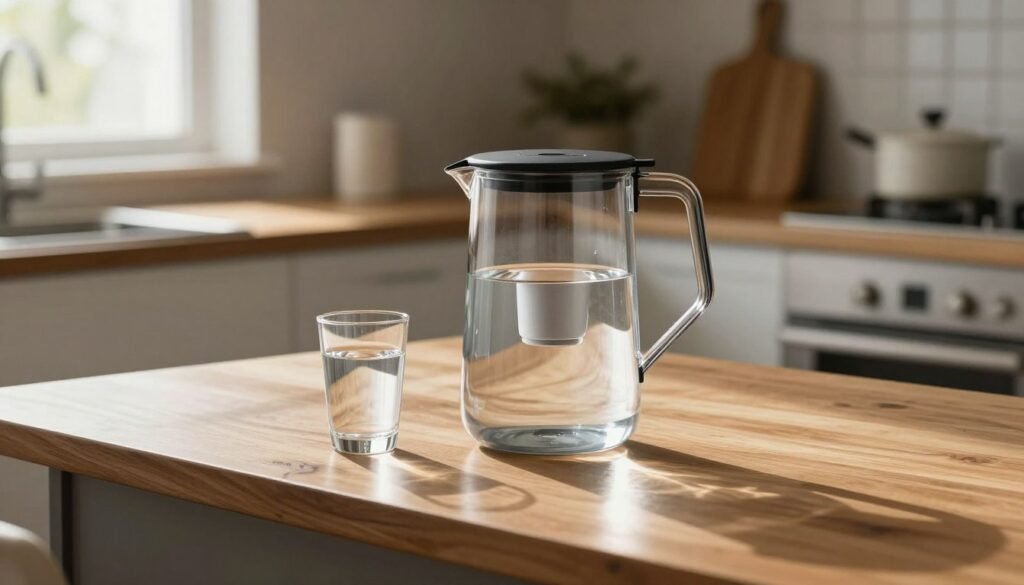
For most American households, the most practical and sustainable source of hydration is found right at the kitchen sink. This tap water is not only incredibly affordable but also widely accessible for daily use. Choosing this path helps families save money while ensuring they stay hydrated throughout the day.
The Environmental Protection Agency (EPA) oversees the safety of our municipal water. They set strict legal limits on over 90 different contaminants to ensure the supply is a safe drink for the public. These standards are mandatory for all public systems across the country.
Public systems must follow rigorous testing schedules to monitor water quality consistently. If a system fails to meet these federal standards, the law requires them to notify customers immediately. This creates a transparent system of accountability for every community.
You can easily check the status of your local supply by reading the annual Consumer Confidence Report. These documents show exactly what was found in your tap and how those levels compare to safety limits. It is a vital tool for staying informed about what your family consumes.
One of the primary benefits of using the tap is the massive cost savings compared to other options. Tap water costs pennies per gallon, making it the most economical choice available. Most families find that it fits perfectly into a modest monthly budget.
Choosing this source also helps the environment by reducing plastic waste in our oceans and landfills. By skipping the single-use bottle, a single household can eliminate thousands of pieces of plastic every year. It is a simple yet powerful way to live more sustainably.
In the United States, municipal water is generally safe and regularly monitored for dangerous pathogens. It provides a reliable stream of hydration without the added waste of bottled water packaging. This makes it a responsible choice for both your wallet and the planet.
While the system is robust, local quality can vary based on your home’s age and plumbing. Aging pipes in some communities can sometimes leach lead or other metals into the water. This often happens after the supply has already left the treatment plant.
Some people also find the taste of chlorine objectionable in their drinks. While chlorine is an essential tool for disinfection, its distinct smell can be off-putting for some. These issues are common but can usually be managed with the right tools.
Historical events, like the crisis in Flint, Michigan, highlight the importance of infrastructure maintenance. If your tap water is discolored or has a foul odor, temporary use of bottled water may be necessary. Always follow local health advisories if they indicate your supply is compromised.
You can easily address many common concerns through home filtration methods. A simple water filter pitcher can significantly improve the taste of your drinks. These pitchers are designed to reduce chlorine and other common impurities effectively.
For those who want extra protection, faucet-mounted or under-sink systems are excellent options. These tools provide an extra layer of assurance by removing specific sediments and heavy metals. This allows you to enjoy the convenience of the tap with added peace of mind.
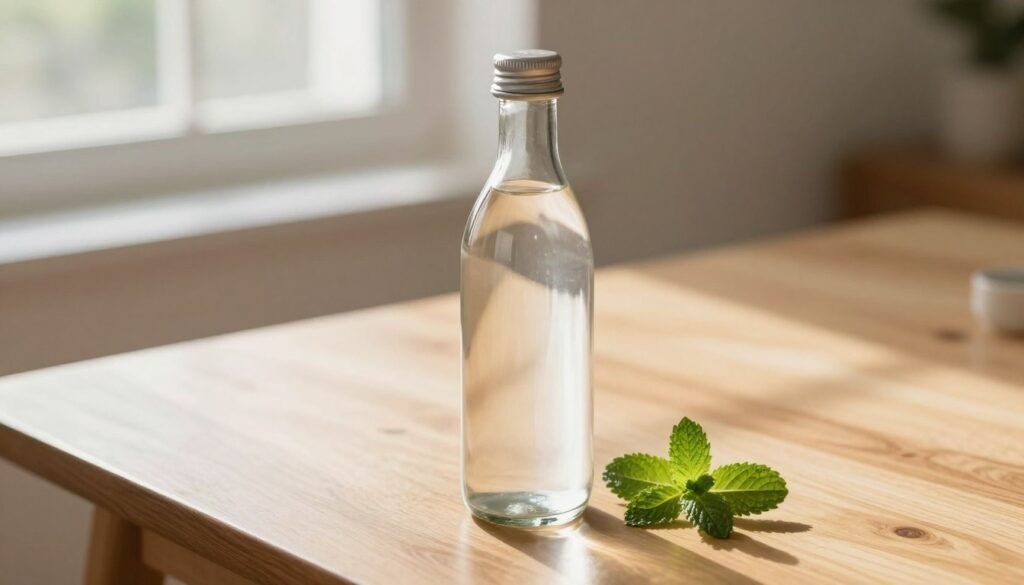
Natural water sources, specifically mineral and spring varieties, are often prized for their unique geological origins and nutritional makeup. These options provide more than just hydration by delivering elements that your body needs to function correctly every day. We often view these as premium alternatives to processed or treated options.
Mineral water comes from geologically protected underground reservoirs. According to FDA regulations, it must naturally contain at least 250 parts per million of minerals from dissolved solids. This water is bottled directly at the source to ensure its chemical composition remains unchanged.
The high mineral content distinguishes it from standard drinking options. Some premium brands offer much higher concentrations, providing a strong boost to your daily intake. Because it cannot have added elements, the purity remains consistent from the ground to the bottle.
Spring water originates from underground formations where the flow moves naturally to the surface. It undergoes natural filtration as it moves through layers of limestone, sand, and rock. This journey helps purify the spring while picking up trace elements along the way.
To be labeled correctly, the collection must occur at the spring or through a borehole tapping the underground formation. To find the right fit for your home, you can evaluate the differences in mineral water vs spring water through detailed comparisons. Both types must be bottled at their point of origin to maintain their natural integrity.
The primary health benefits of these natural beverages come from their calcium magnesium levels. Calcium is vital for maintaining bone density and helping your muscles contract properly. Magnesium aids in over 300 enzymatic reactions, including energy production and nerve function.
Some European mineral water brands are exceptionally rich in these nutrients. A single liter can provide nearly 20% of your daily requirement for calcium and magnesium. These benefits make natural waters an excellent supplemental source for people with specific dietary needs.
The distinct taste of your water is a direct result of its mineral profile. For example, high levels of magnesium may create a slightly bitter taste, while calcium often adds a hint of sweetness. Checking the mineral analysis on the label helps you understand exactly what you are consuming.
Always check the sodium levels on spring water or mineral labels, especially if you are watching your salt intake. While many spring sources are low in sodium, some naturally effervescent types can be higher. Understanding these labels ensures you maximize the health benefits of your chosen beverage.
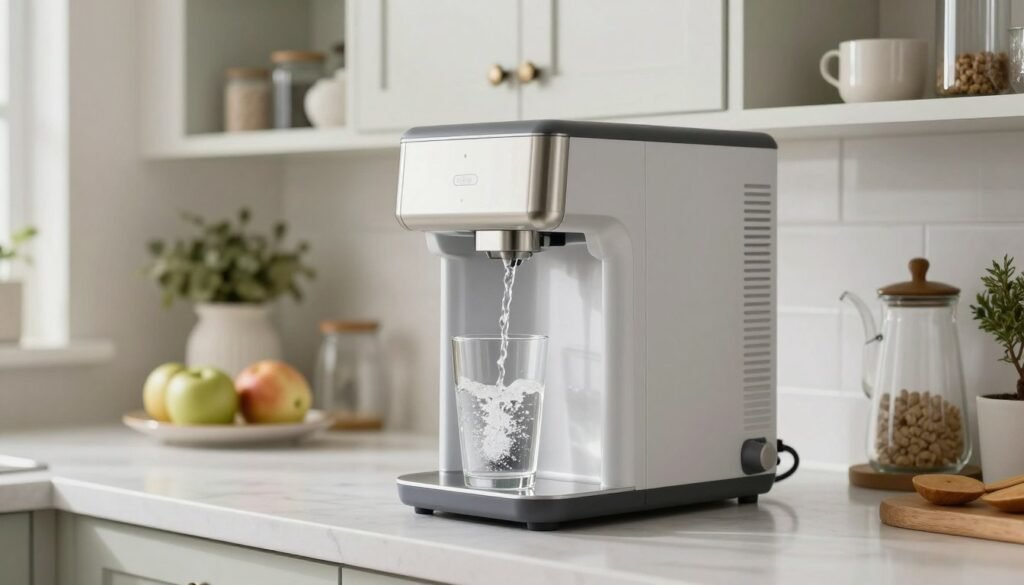
For many homeowners, choosing purified water represents the ultimate commitment to removing unwanted contaminants from their daily hydration. This water typically comes from tap or groundwater sources but undergoes extensive treatment to ensure safety. The goal is to reach a level where total dissolved solids fall below 10 parts per million.
This rigorous standard means that treatment systems eliminate approximately 99% of all impurities. We often find this level of clarity provides immense peace of mind for families. It ensures a consistent supply that meets strict purity definitions regardless of the initial source quality.
The most popular filtration method used today is reverse osmosis. This process forces the liquid through a semipermeable membrane under high pressure to catch microscopic pollutants. It effectively blocks heavy metals, pesticides, and salts that other filters might miss.
Other types of treatment include UV sterilization and ozonation to kill microorganisms. Carbon filters often work alongside these systems to remove chlorine and organic compounds. Together, these technologies create a multi-stage shield for your home supply.
Choosing this high-purity liquid is an excellent option for households with known contamination issues or aging plumbing. It provides a consistent safety level for people with compromised immune systems who need extra protection from pathogens. You might also rely on it during local boil-water advisories to keep your family healthy.
Purified water is so clean that your body can absorb it very easily. This efficiency helps with daily hydration and keeps your internal systems running smoothly. Many people also prefer using it for appliances like steam irons or coffee makers to prevent scale buildup.
While the cleaning process creates very high purity, it also removes beneficial minerals like calcium and magnesium. These minerals contribute to the liquid’s taste and provide minor nutritional value. Without them, some people notice a slightly different flavor profile compared to natural spring sources.
Despite this change, water that has been through high-level filtration remains a top choice for safety. If you use it exclusively, ensure you get plenty of electrolytes from your daily diet. Most people find the trade-off worth it to avoid consuming harmful chemicals or lead.
You can fix the mineral loss by using reverse osmosis systems that add specific nutrients back into the fluid. This restores the character of the water without reintroducing the harmful contaminants originally removed. It allows you to enjoy the safety of purified water while ensuring you get the essential minerals you need for a balanced lifestyle.
Distilled water is the most thorough form of purification. It reaches a level of cleanliness that other methods rarely match. This specific type of liquid is the closest we can get to pure H₂O. By removing virtually all dissolved solids, it offers a clean slate for specialized tasks and household equipment.
The distillation process is quite simple and mimics the natural hydrologic cycle. Technicians heat the source water until it turns into steam, effectively leaving behind heavy metals, bacteria, and viruses. Since these contaminants cannot turn into vapor, they stay in the boiling chamber.
Once the vapor rises, it moves into a cooling chamber to recondense. This method ensures that minerals and other impurities stay in the boiling tank. The result is a liquid that is almost entirely free of any dissolved content or chemicals.
Many homeowners wonder if this is a safe drink for daily use. While it is completely non-toxic, drinking it as your only source of hydration may not be the most satisfying strategy. It is safe for humans, but it lacks the components found in natural sources.
Because the purification removes all minerals, the liquid often has a very flat taste. Some users find it unappealing compared to crisp spring water. While it won’t leach nutrients from your bones, you do miss out on the minor health benefits provided by calcium and magnesium.
We find that distilled water truly shines in mechanical and medical settings. Since it contains no dissolved solids, it prevents the scale buildup that often ruins expensive equipment. It is the gold standard for devices that use steam or require high precision.
| Application | Distilled Water | Tap Water |
|---|---|---|
| CPAP Machines | Highly Recommended | Causes Buildup |
| Steam Irons | Prevents Clogs | May Damage |
| Daily Hydration | Safe but Bland | Economical Choice |
“Distilled water is essential for laboratory work and medical devices because even tiny mineral deposits can interfere with sensitive results.”
If your home has a clean tap supply, drinking distilled water is usually an unnecessary expense. For most families, filtered water or fresh water from the tap is better for daily needs. Keep distilled water on hand for your iron or medical devices rather than your dinner table.
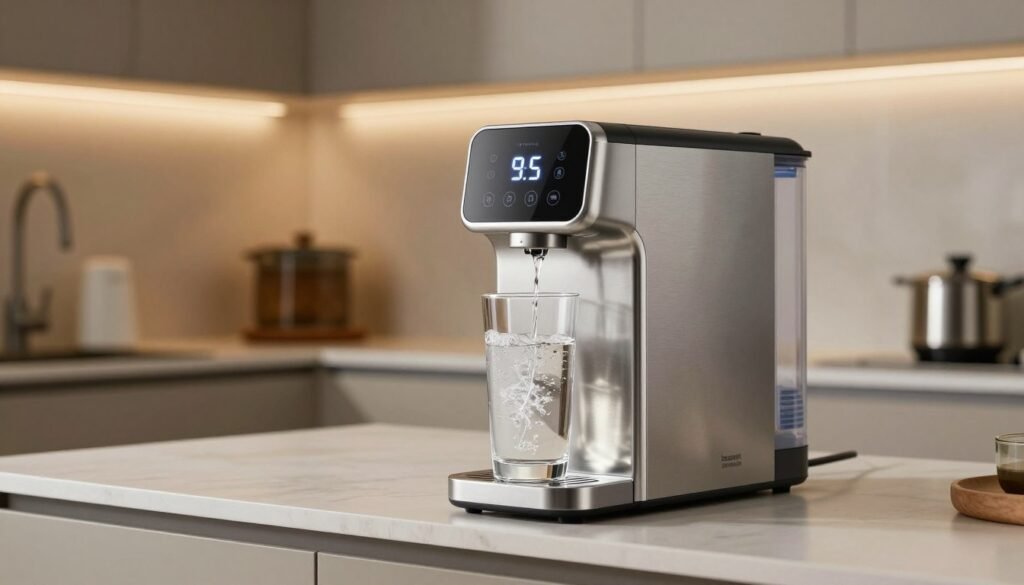
Many homeowners are now exploring the science behind alkaline water to see if it lives up to the marketing hype. While brands often claim it is a miracle cure, we must look at the facts. It is vital to understand what is alkaline water before you invest in expensive home systems.
The popularity of these beverages has grown rapidly. Many people choose them over standard tap options because of the higher pH level. However, true wellness comes from consistent hydration rather than trendy labels.
Most alkaline water features a pH level between 8 and 9. Regular drinking water usually sits at a neutral pH of 7. This higher pH comes from dissolved minerals like calcium, magnesium, and potassium.
Some of this liquid occurs naturally near mineral-rich volcanic areas. However, most commercial brands use alkaline water ionizer machines to create it artificially. These devices use electrolysis to separate acidic and basic components, changing the alkaline nature of the liquid.
It is important to know that your blood stays at a strict pH of 7.35 to 7.45. Your kidneys and lungs work constantly to keep this balance. Because of this, drinking high-pH alkaline water will not significantly change your body’s chemistry.
A healthy person does not need to alter their internal pH through their diet. While the taste might be different, your health depends more on purity than on specific pH levels. Drinking this alkaline liquid is generally safe for most people in moderation.
There are many claims about the health benefits of this product. Some say it boosts metabolism or improves bone density. Currently, science does not strongly support these benefits for the average person in daily life.
One small study showed that athletes might stay better hydrated with alkaline water. It may also temporarily neutralize stomach acid to help with heartburn relief. However, alkaline water can be quite expensive compared to filtered tap water.
Always consult a doctor if you have kidney issues before making it your primary source for health. For most families, any clean water source provides the essential benefits needed for a vibrant life.
If you rely on a private well, you are solely responsible for the safety and purity of your home’s supply. Approximately 13 million American households get their drinking water from underground aquifers that are not regulated by government agencies.
Unlike municipal sources, the EPA does not enforce standards for these private sources, leaving owners to manage their own water quality monitoring. This natural source often provides water that is rich in essential minerals but remains vulnerable to environmental changes.
Regular testing is the only way to ensure your water stays free from invisible threats. We recommend checking for bacteria and nitrates at least once every year to maintain household safety.
You should also test immediately if you notice any sudden changes in the taste, odor, or appearance of your liquid. Establishing a relationship with a certified laboratory ensures you receive accurate data about your local geology.
One common source of pollution involves coliform bacteria entering the well from failing septic systems. Some geological formations also release natural contaminants like arsenic into the ground.
Agricultural runoff often adds harmful nitrates to the water, especially in rural areas. Heavy metals can also enter the supply through nearby industrial activity or old plumbing fixtures inside the home.
If your annual tests reveal contaminants, several effective treatment methods can restore your peace of mind. A multi-stage filtration system or a reverse osmosis unit can remove dissolved solids and chemical residues.
For biological issues, finding a reliable source for a UV sterilization system will help you kill bacteria and viruses without using harsh chemicals. Using a water softener can also manage high mineral content to protect your appliances.
Finding the healthiest type water to drink is not about a single brand but matching the water to your body’s needs. For most people living in developed areas, filtered tap water stands out as an excellent choice for daily health. It is safe, affordable, and helps protect the environment by reducing plastic waste.
Water generally remains safe across the United States, yet the healthiest water drink for you depends on local quality and health goals. Different types of water offer various taste profiles and mineral levels. We often find that the drinking water you enjoy most is the one that will keep you consistently hydrated.
Selecting the right types water involves looking at the source and the benefits provided by the treatment process. While health is the priority, different types also impact your budget and carbon footprint. Understanding these types allows you to make an informed decision for your household.
Active people lose both fluids and vital electrolytes through sweat during intense exercise. For these individuals, mineral water containing calcium and magnesium is often the water best suited for recovery. These minerals support muscle function and restore balance more effectively than highly purified options.
Families and pregnant women are often more sensitive to potential contaminants like lead or nitrates. In cases where local quality is questionable, purified types or high-quality filtered tap water are the safest options. Extra filtration provides peace of mind and ensures that vulnerable individuals receive the highest health standards.
For those focused on sustainability, filtered tap water is almost always the most logical choice. A one-time investment in a reliable filter is significantly cheaper than buying bottled drinking water every week. This approach eliminates plastic waste and provides fresh water best served right from your kitchen sink.
Ultimately, the taste and accessibility of your drinking water will determine how much you consume. Whether you prefer the mineral profile of spring water or the purity of a reverse osmosis system, staying hydrated is the ultimate goal. Choosing between various types water ensures you get exactly what your lifestyle requires.
| Water Type | Mineral Content | Cost Level | Environmental Impact |
|---|---|---|---|
| Filtered Tap | Moderate | Low | Minimal |
| Mineral Water | High | High | High (Bottles) |
| Purified Water | Low | Medium | Moderate |
| Well Water | Variable | Low | Minimal |
Even if your water looks crystal clear, invisible hazards might still be lingering in your pipes or source. We often assume that clarity equals purity, but many harmful substances lack taste, smell, or color.
Protecting your family requires a deeper understanding of the potential risks hidden within common drinking water supplies. While regulated municipal systems are generally safe for most people, specific conditions can introduce unwanted elements into your home.
Various pollutants can enter the supply through industrial runoff, natural deposits, or aging infrastructure. Understanding these contaminants is the first step toward effective filtration and peace of mind.
Lead primarily enters the supply through the corrosion of old plumbing fixtures and lead pipes. This metal is especially dangerous for children and pregnant women because it can impair brain development. Arsenic occurs naturally in certain geological formations and long-term exposure increases cancer risks.
PFAS are synthetic chemicals used in firefighting foam and non-stick cookware that do not break down naturally. These compounds accumulate in the body over time and often appear in sources near manufacturing sites. We are still learning about their full impact on long-term health.
Tiny plastic particles have been detected in both tap and bottled water sources worldwide. While research on their health effects is ongoing, they represent a growing environmental concern. Currently, no federal regulatory limits exist for these microscopic fragments.
If you use a municipal supply, your utility must provide an annual Consumer Confidence Report (CCR). This document details the results of local testing and identifies any detected levels of regulated substances. You can usually find this report on your utility’s website or the EPA database by July 1st each year.
Homeowners with private wells should perform water quality testing at least once a year. You should also test if you notice changes in taste, odor, or appearance. Additional testing is wise if there is local construction or if vulnerable people live in your home.
| Contaminant | Primary Sources | Health Concern |
|---|---|---|
| Lead | Old pipes and solder | Cognitive development issues |
| Arsenic | Natural earth deposits | Increased cancer risk |
| PFAS | Industrial waste | Immune system disruption |
| Microplastics | Plastic degradation | Subject of current research |
Your choice of drinking water depends on a unique mix of safety, convenience, and individual wellness needs. It is important to consider how all elements and minerals act together to support your body. We recommend looking at the monthly cost and how much the taste appeals to your palate.
For most households, tap water is the best and least expensive option available. It provides essential minerals without the high price tag of luxury brands. However, personal preference and local conditions often dictate which path you should take.
Start by checking your local Consumer Confidence Report to understand your home’s quality standards. This document details any contaminants found in your municipal supply. You should also consider the age of your plumbing, as old pipes can leach lead into your water.
Look for signs of trouble like a foul taste or unusual discoloration. If you notice a strong chemical smell, it may be time to investigate external sources. Determining if vulnerable family members need extra protection is a key step in this process.
You should match the type of water drink to your specific health goals. Those seeking mineral benefits might prefer natural mineral water to boost their intake of magnesium and calcium. This can be especially helpful for athletes or those with specific dietary gaps.
Others with serious contamination concerns should look into high-quality filtration systems. These setups can remove impurities while keeping the fluid refreshing. If a certain taste encourages you to stay hydrated, that water is often worth the investment.
Many people use bottled water, but it often costs 300 to 2000 times more than tap water. This preference creates massive plastic waste that eventually pollutes our oceans and landfills. Furthermore, plastic production and transportation consume a significant amount of energy.
Much of the bottled water sold in stores is actually just municipal water put through filtration. Using a reusable bottle with tap water is a much better environmental choice. You get the same refreshing taste without contributing to global waste problems.
The Mayo Clinic suggests about 15.5 cups of fluid per day for men to maintain health. Women should aim for about 11.5 cups each day to stay properly hydrated. While “8 glasses a day” is a reasonable starting point, your specific needs will vary.
Factors like your activity level, local climate, and overall health status play a major role. Remember that your total intake includes drinking liquids and eating water-rich foods. Consistent hydration helps your organs function and keeps your energy levels stable throughout the afternoon.
| Water Source | Primary Benefit | Environmental Impact | Relative Cost |
|---|---|---|---|
| Tap Water | Highly affordable and safe | Very Low | Lowest |
| Filtered Tap | Improved taste and purity | Low (filter waste) | Moderate |
| Bottled Water | Convenient for travel | High plastic waste | Highest |
| Mineral Water | Natural electrolyte boost | High plastic waste | Premium |
Choosing the best liquid for your body involves looking past marketing labels to focus on actual quality reports. For most Americans, municipal tap water remains the most practical and sustainable option for daily health. It is affordable, strictly regulated, and eliminates the need for single-use plastics.
While bottled water offers a safe drink during infrastructure issues, it is rarely necessary for long-term use. Both sources are subject to government oversight to ensure they provide safe drink choices for the public. The primary goal is consistent drinking habits to keep your body hydrated and functioning properly.
Consider the specific benefits of filtration if you have concerns about local contaminants. Review your local quality report to make an informed decision for your family’s health. Consistent drinking of tap water usually provides the minerals you need while protecting the environment.
Staying informed about your water quality empowers you to make smart choices. Monitor local reports and test private wells regularly to ensure your source remains high quality over time. Making the right choice leads to long-term wellness for your entire household.
| Water Source | Primary Advantage | Sustainability |
|---|---|---|
| Filtered Tap | Cost-effective and mineral-rich | High |
| Mineral Water | High electrolyte content | Low |
| Purified Water | Highest purity levels | Moderate |
