
Beautiful Plants For Your Interior

What happens if you suddenly start drinking a lot of water? Discover the real physiological effects, risks, and what your body actually needs.

Every major system in your body depends on proper hydration to function correctly. While it is true that fluids regulate our internal temperature and flush out waste, more is not always better for your health.
Some links below are affiliate links. If you buy through them we may earn a commission at no extra cost to you. See our Affiliate Disclosure.
Many people strive to increase their daily intake, yet few consider the risks of rapid overconsumption. What happens if you suddenly start drinking a lot of water? While drinking is essential for life, the human kidneys have a strict limit for processing fluids at any given time.
When intake exceeds this capacity, a dangerous electrolyte imbalance often occurs. This condition, known as water toxicity, happens when the liquid volume overwhelms the body and its natural filtration systems. It triggers a cascade of physiological responses that most people never consider during their fitness routines.
Understanding what is too much water intake is vital for long-term safety and wellbeing. This guide explores the immediate biological responses and the warning signs you must watch for. We aim to provide clear guidance to help you stay hydrated without endangering your internal balance.
The human body relies on a precise internal equilibrium to keep all systems running smoothly. This balance ensures that every organ receives the hydration it needs. We must understand these limits to protect our long-term health.
Proper water intake supports several vital functions. It helps regulate temperature and lubricates your joints. Additionally, the body manages waste removal through sweat and urine.
Your kidneys act as the primary filters for your system. A healthy adult can eliminate about 1 liter of water every hour. If kidneys face damage, they struggle to maintain a stable water level.
The body uses electrolytes to carry electrical charges. These electrolytes help balance the amount of water inside your cells. Sodium plays a lead role in this process by pulling fluid where it is needed most.
“The human body is a masterpiece of self-regulation, where every drop of fluid serves a specific purpose in our survival.”
| Component | Main Responsibility | Key Process |
|---|---|---|
| Kidneys | Fluid Filtration | Eliminates 1 liter per hour |
| Electrolytes | Cellular Balance | Uses electrical charges |
| Sodium | Volume Control | Prevents cell swelling |
Sudden overconsumption of water initiates a physiological race where the kidneys and cells struggle to balance the extra fluid. Your body naturally seeks a state of equilibrium, but a sharp spike in intake can overwhelm these defense systems. While hydration is usually helpful, the speed at which you consume liquid matters more than the total volume.
When you take in too much water in a short window, your blood volume expands rapidly. This puts immediate pressure on your cardiovascular system and forces your kidneys to accelerate their filtration process. We must understand how these quick changes affect our internal chemistry and overall well-being.
In the first few hours after heavy intake, your kidneys work at their maximum capacity to produce dilute urine. This is your first line of defense to prevent the blood from becoming too thin. The water body systems prioritize maintaining the correct concentration of salts in your bloodstream.
If you consume water faster than your kidneys can process it—usually about 0.8 to 1.0 liters per hour—the excess begins to move. It leaves the bloodstream and enters the surrounding tissues. This movement is the starting point for physical changes that can impact your health.
The brain is the most sensitive organ when it comes to fluid shifts. Because the skull is rigid, any swelling in this area becomes a serious concern. Brain cells are the most likely to be impacted by swelling or low sodium levels during rapid hydration.
Fortunately, these cells possess unique survival mechanisms to handle pressure. If you do not drink too much water too quickly, the cells can adapt to the extra fluid in your body. They achieve this by moving internal minerals outward to maintain a steady volume and prevent dangerous expansion.
Early warning signs of overhydration often mimic other common issues, making them easy to ignore. If you are slightly overhydrated, you may have no symptoms, have mild fatigue, or feel distracted. These signals indicate that your electrolyte balance is beginning to shift away from the ideal range.
It is interesting to note that these symptoms are very similar to those of the opposite problem. Even mild levels of dehydration (1%-2%) can cause premature fatigue and mood disturbances. Listening to your body’s subtle cues is essential for maintaining a healthy balance.
The boundary between healthy hydration and danger is not a fixed number for everyone. Factors like your total weight, your kidney efficiency, and your recent salt intake all play a role. Drinking much water becomes a risk primarily when the intake speed exceeds the output capacity.
Once your sodium levels drop below a specific threshold, you enter the zone of clinical overhydration. At this point, the kidneys can no longer keep up, and the protective mechanisms of your tissues begin to fail. Recognizing this transition helps prevent the more severe progression of water toxicity.
Hydration Level and Physiological Effects
| Hydration State | Primary Physical Response | Common Symptoms |
|---|---|---|
| Optimal Hydration | Kidneys maintain stable electrolyte levels | Clear thinking and high energy levels |
| Mild Overhydration | Increased urination and slight sodium dilution | Occasional fatigue and mild distraction |
| Rapid Overhydration | Fluid moves into tissues and cells swell | Headaches, confusion, and nausea |
Moving beyond simple discomfort, drinking an extreme volume of liquid can trigger a life-threatening state of water poisoning. This condition occurs when the internal balance of fluids and electrolytes shifts too rapidly for the body to compensate.
Water toxicity happens when there is simply too much water for the kidneys to handle at once. This excess fluid enters the cells, causing them to swell like sponges. When this happens, the standard sodium levels in the blood become dangerously diluted.
The brain is encased in a rigid skull that cannot expand to accommodate swelling. As the cells within the brain swell, they create intense pressure against the bone. This internal pressure often leads to severe confusion, drowsiness, and debilitating headaches.
The body attempts to manage fluid overload by adjusting the cardiovascular system. These attempts can backfire, leading to hypertension, or high blood pressure. At the same time, the heart rate may drop significantly, a condition known as bradycardia.
While it is rare to die from drinking too much water, fatal cases have occurred. Most of these cases involve extreme events like water-drinking contests or heavy exercise without electrolyte replacement. Even healthy athletes must be careful not to consume too much water in a very short time frame.
| Stage of Toxicity | Primary Mechanism | Clinical Symptoms |
|---|---|---|
| Mild Intoxication | Electrolyte Dilution | Headache, nausea, and fatigue |
| Moderate Toxicity | Cellular Swelling | Confusion, hypertension, and drowsiness |
| Severe Poisoning | Intracranial Pressure | Seizures, bradycardia, and coma |
| Critical State | Brainstem Compression | Respiratory failure and potential death |
Hyponatremia occurs when the concentration of essential salts in your body drops to unsafe levels. This condition represents the most significant risk of overhydration. When you drink too much water, your kidneys cannot flush the excess fluid out quickly enough.
This biological failure causes the essential electrolytes in your system to become diluted and weak. Your body relies on these minerals to send electrical signals between nerves. Without a proper balance, your internal communication systems begin to malfunction.
Medical professionals measure the health of your blood by looking at specific mineral concentrations. Normal blood sodium levels generally range from 135 to 145 milliequivalents per liter (mEq/L). These precise measurements help doctors determine if your hydration status is within a safe zone.
If your sodium levels fall below the 135 mEq/L mark, you are at risk for medical complications. These levels help doctors decide how to safely restore your chemical balance. Maintaining this narrow window is vital for your overall wellbeing.
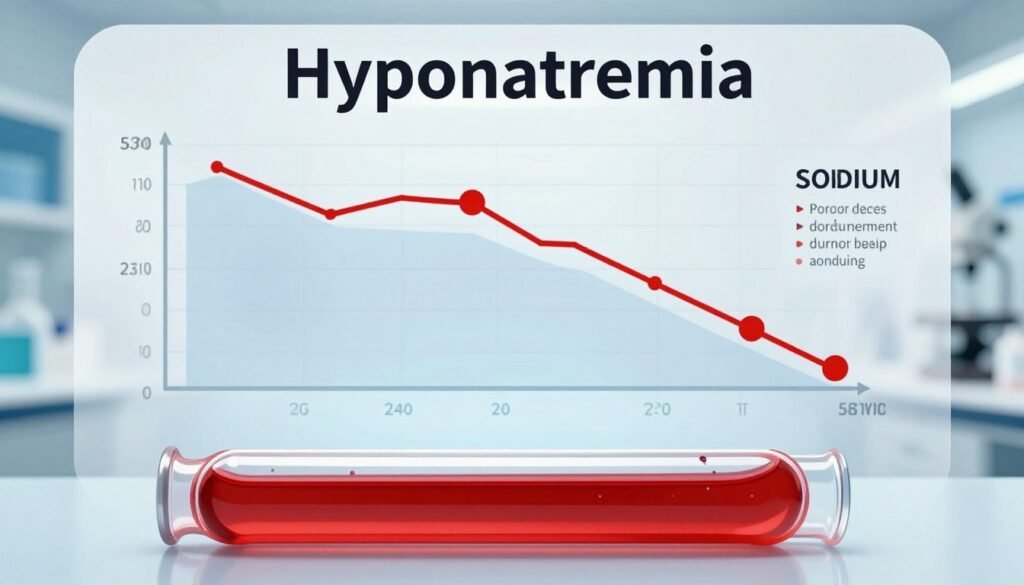
Sodium is the mineral most affected when you drink an extreme amount of water. When sodium drops because of high water volume, the fluid naturally moves toward higher salt areas inside your cells. This process follows the principle of osmosis, where water seeks to balance out mineral concentrations.
This movement causes these cells to expand like balloons filling with air. While many tissues can handle some expansion, your brain is trapped within the rigid skull. This lack of space makes cellular expansion in the head a critical emergency.
As sodium levels continue to decrease in the blood, the physical pressure on the brain increases. This pressure disrupts vital neurological signals and can lead to confusion or severe headaches. If the hyponatremia is not treated, it can progress to more life-threatening stages.
When the brain can no longer adapt to the swelling, the body enters a state of crisis. Without medical help, a person may suffer from seizures or fall into a coma. In the most extreme cases, overhydration can lead to death.
| Sodium Concentration | Health Status | Potential Complications |
|---|---|---|
| 135–145 mEq/L | Normal Range | None; optimal function |
| 130–134 mEq/L | Mild Hyponatremia | Fatigue, nausea, headache |
| Below 125 mEq/L | Severe Hyponatremia | Seizures, coma, respiratory failure |
Recognizing the physical markers of too much water helps you adjust your habits before a crisis occurs. People often assume more is always better, but your body provides clear signs when you reach your limit. Monitoring these changes ensures your hydration stays within a safe, healthy range.
Colorless urine is a sure sign you are drinking much more than your body requires. While pale yellow like lemonade is the ideal goal, completely clear liquid indicates over-dilution. This means you should slow down your intake immediately.
Most people urinate six to eight times during a typical day. If you find yourself heading to the restroom more than 10 times, your fluid intake may be too high for that time period. Constant trips can disrupt your daily routine and sleep.
Overhydration symptoms often mimic dehydration, which can be very misleading. When you consume too much water, you might experience digestive upset as your body struggles to balance its internal environment. Listen to your gut before reaching for another glass.
Excess water causes your blood sodium levels to drop and your cells to swell. This cellular expansion creates pressure against the inside of your skull. This pressure leads to painful, throbbing headaches that do not go away with rest.
As brain cells swell, you may experience significant mental confusion. This lack of focus is a direct result of the electrolyte imbalance affecting your neurological function. It is a serious indicator that your brain is under stress.
When cells expand, your skin may visibly swell or change color. This is especially noticeable in the hands, feet, and lips when drinking much water too quickly. You might notice your rings feeling tight or your skin looking slightly pale.
Low electrolyte levels prevent your muscles from functioning properly. You might notice sudden spasms or weakness because your system lacks the sodium needed for electrical signals. These cramps are often painful and occur without physical exertion.
Your kidneys must work overtime to remove excess urine from your bloodstream. This creates a stressful hormonal reaction in the body that leaves you feeling exhausted. You may feel drained even if you have slept well.
Children and infants are particularly vulnerable to fluid imbalances because their kidneys are still developing. Parents must be vigilant, as young children cannot always communicate how they feel. Below are the specific symptoms to watch for in different age groups:
| Age Group | Common Symptoms | Urgent Warning Signs |
|---|---|---|
| Infants | Crankiness, facial swelling | Seizures, low body temperature |
| Older Children | Blurry vision, sleepiness | Lack of coordination, breathing issues |
| All Children | Nausea or vomiting | Mental confusion, pale urine |
Very pale urine and mental confusion are urgent warnings for parents to watch for. If you notice these signs, it is vital to contact a pediatrician right away. Early intervention is the best way to prevent long-term health complications.
Specific groups of people often find themselves at higher risk for water toxicity due to extreme physical demands or unique environmental factors. While the kidneys are efficient, they can only process so much fluid at once before the system fails.
Elite athletes are at the highest risk for overhydration among healthy individuals. This group includes marathon runners, ironman triathletes, and endurance cyclists who push their bodies for hours.
Many athletes believe drinking much water will improve performance or compensate for sweat loss during long races. Those who take longer to finish a marathon are particularly vulnerable because they have more time to stop at every aid station.

Water-drinking contests represent a rare but lethal risk. Participants consume massive amounts of fluid in a very short window to win a prize. This rapid intake overwhelms kidney capacity instantly and has resulted in documented fatalities.
Those using recreational drugs like MDMA face a dual threat to their internal balance. These substances increase thirst while simultaneously causing the body to retain water by affecting hormone levels. Users often drink much water while dancing in hot environments, leading to rapid electrolyte dilution.
Military members often face overhydration during intensive exercise and training. Rigid hydration protocols are meant to prevent heat stroke but sometimes overlook the risks of overconsumption. When athletes in the military drink much water during heavy exercise to replace sweat, they may accidentally trigger hyponatremia.
Understanding how underlying health issues impact fluid regulation is vital for avoiding the dangers of overhydration. For people with certain medical conditions, standard advice about drinking “plenty of fluids” might actually be harmful. Your body’s ability to process liquids depends heavily on the strength of your internal organs and hormone levels.
Your heart and kidneys must work together to maintain a stable internal environment. When these systems struggle, even a normal amount of water intake can cause severe complications for your health.
Heart failure causes the body to retain fluids and sodium because the pump cannot move blood effectively. This often leads to fluid accumulation in the lungs or legs, making additional water intake a serious risk.
Chronic kidney disease or an acute kidney injury directly compromises your filtration system. Patients with this condition are vulnerable because their damaged organs cannot eliminate extra water as quickly as a healthy person.
Hormones act as messengers that tell your body when to hold or release water. Disruptions in these complex signals often lead to rapid and inappropriate fluid accumulation.
Advanced liver disease triggers fluid to build up in the abdomen and dilutes the blood. This imbalance makes it harder for the body to manage sodium levels correctly.
With SIADH, the body produces a hormone that holds onto water instead of releasing it in urine. This medical disease forces the body to keep excess liquid, leading to diluted electrolytes.
Addison’s disease prevents the adrenal glands from balancing salt and water. Similarly, a thyroid condition can reduce sodium levels, creating a dangerous environment during hydration.
Many common prescriptions change how your organs process minerals and liquids. You should consult a doctor to see if your conditions require a restricted fluid plan.
Some antidepressants and diuretics impact the kidney disease recovery process by altering hormonal signals. These medications can paradoxically lower sodium levels to a point where water intake becomes toxic.
Certain antipsychotic medications can interfere with the body’s thirst signals. In some cases, patients experience extreme thirst that leads to a life-threatening water failure event.
| Medical Category | Main Physiological Effect | Overhydration Risk |
|---|---|---|
| Cardiovascular | Systemic Fluid Retention | High |
| Renal | Impaired Water Elimination | Critical |
| Hormonal | Inappropriate Fluid Storage | High |
“Patients with pre-existing organ issues must realize that their hydration needs differ fundamentally from the general public.”
Maintaining a healthy hydration level starts with understanding the specific daily totals recommended by medical experts. While many people follow the “eight glasses a day” rule, your actual amount water requirements depend on your unique physiology. Experts focus on total moisture from both beverages and food sources to determine health goals for each day.
The Institute of Medicine provides clear benchmarks for healthy adults. They suggest a total daily intake of 2.7 liters for women and 3.7 liters for men between the ages of 19 and 30. This includes all fluids you consume throughout the 24-hour period.
| Group | Recommended Liters | Approximate Cups |
|---|---|---|
| Women (Ages 19-30) | 2.7 Liters | ~9-11 Cups |
| Men (Ages 19-30) | 3.7 Liters | ~13-15 Cups |
Standard guidelines serve as a baseline, but the specific amount of water you require shifts based on your lifestyle. Your body constantly balances the moisture it loses through sweat, breath, and waste. Personal circumstances often dictate if you need to increase your consumption beyond the average recommendations.
Vigorous movement increases your internal temperature and triggers sweating. You must replace this lost amount water to sustain your performance and safety. Your specific water need will spike during long workouts or high-intensity sports.
Living in a hot or humid environment forces your body to work harder to stay cool. You lose more water through your skin in these conditions, even if you are not actively exercising. People in high-altitude regions also tend to require more hydration on a typical day.
Larger body masses generally require more fluids to support metabolic functions. Your biological sex and age also influence how your kidneys process moisture and manage electrolyte balances. Older adults often have a diminished sense of thirst, making intentional tracking even more vital.
Visualizing your goal makes it easier to stay on track without overdoing it. Women can generally stay safely hydrated by consuming three standard one-liter bottles throughout the day. Men usually meet their requirements with four of these bottles, provided they spread the consumption out evenly.
“The amount of water needed should roughly equal the amount the kidneys release to maintain a perfect internal balance.”
Monitoring your urine color is one of the most effective ways to assess your water need in real-time. Target a pale yellow shade that resembles lemonade, as this indicates a healthy balance. If the liquid is dark, you require more moisture; if it is completely colorless, you may be reaching a level of overhydration for that day.
To protect your body from the risks of excessive water intake, you must follow structured protocols based on your specific physical needs. Balancing fluid levels ensures you remain safe during any physical activity without taxing your kidneys. We recommend using structured guidelines to avoid the pitfalls of both dehydration and overhydration.
Start your workout fully hydrated by consuming about 24 ounces of fluid roughly 2-3 hours before you begin. This lead time allows your body to stabilize its internal environment before you start drinking more during a workout. Following this protocol helps prevent early dehydration symptoms without overwhelming your system.
During your exercise, follow the “12:30 rule” to maintain steady hydration levels. Aim to drink water at a rate of 12 ounces every 30 minutes, or 6 ounces every 15 minutes. It is also wise to let your natural sense of thirst guide your intake during physical activity.
Recording your weight before and after you sweat is the gold standard for measuring water loss. This simple measurement helps you understand your personal requirements for a safe activity. The difference between these two weights represents the exact amount of water your body used.
For every pound of weight lost during your workout, rehydrate by consuming 16 to 24 ounces of fluid. This precise approach prevents the lingering effects of dehydration while avoiding sudden over-consumption. Consistency here is the best way to ensure a healthy recovery.
| Timing | Fluid Amount | Goal |
|---|---|---|
| 2-3 Hours Pre-Workout | 24 Ounces | Baseline Hydration |
| During Activity | 12 Ounces per 30 Min | Steady Replacement |
| Post-Workout | 16-24 Ounces per lb Lost | Safe Recovery |
For sessions lasting over an hour, consider sports drinks with 6% to 8% carbohydrates. These beverages help replace the sodium lost through your sweat more effectively than plain water. You should drink water for shorter sessions, but electrolytes become necessary during endurance events.
Proper medical care is vital for those with chronic conditions. Doctors provide the specialized care needed to manage fluid limits safely. This extra care prevents dangerous electrolyte imbalances when you drink water during the day.
People with congestive heart failure or kidney disease should consult a doctor about individual needs before participating in any physical effort.
Maintaining your hydration needs requires a deep understanding of how your internal systems process fluids. While water is vital for your health, consuming too much water too quickly can overwhelm your kidneys.
If you drink much water beyond your capacity, you risk dangerous levels of sodium dilution. This can lead to cellular swelling or hyponatremia. Mindful consumption is the key to safety.
Most people face risks from dehydration, yet drinking much water is a concern for endurance athletes. Trust your natural thirst and monitor your water body signals. Understanding these markers helps your body function at its best.
Always consult a doctor if medications affect your water intake. Do not ingest too much water during intense training sessions without professional guidance.
Avoid pushing for much water without balancing your electrolytes. Proper water management ensures you never consume too much water for your specific physiological system.
| Hydration Habit | Benefit to Health |
|---|---|
| Monitoring Urine | Provides a visual check for internal balance |
| Drinking to Thirst | Respects the body’s natural physiological limits |
| Medical Advice | Tailors fluid intake to specific health conditions |
