How Long Does Water Take to Change Your Body?

How long does it take for water to change your body? Discover the hydration timeline and learn how consistent water intake supports your long-term health.
How Long Does Water Take to Change Your Body?

Many people wonder about the speed of hydration. Unlike food, which stays in the digestive tract for hours, drinking water enters the bloodstream *almost immediately*. Most absorption begins just five minutes after your first sip.

We often confuse absorption with digestion. Your body doesn’t break down fluids the same way it processes a heavy meal. Instead, the small intestine pulls water into the system to support cellular health and organ function.

This rapid process reaches its peak around twenty minutes. Over time, consistent hydration creates a foundation for better energy and mental clarity. Distinguishing these phases helps us make informed choices regarding *physiological* wellbeing.

Key Takeaways

  • Hydration absorption starts within five minutes of consumption.
  • Peak levels in the bloodstream occur after twenty minutes.
  • Fluids bypass the complex digestion process required by solids.
  • The full distribution cycle typically takes about two hours.
  • Consistent habits lead to long-term cumulative benefits for the body.

Understanding Water Absorption vs. Digestion

The way your anatomy handles a glass of liquid is fundamentally different from how it processes a solid meal. Traditional digestion usually involves a complex series of chemical and mechanical actions to break down nutrients. When you drink water, however, your system treats it as a ready-to-use resource rather than a puzzle to solve. This distinction is the primary reason why hydration affects the body much faster than calories do.

Why Water Doesn’t Need Traditional Digestion

Unlike a peanut butter and jelly sandwich, liquid refreshment requires no specific enzymes for breakdown. When you eat food, your mouth starts a labor-intensive process of chewing and chemical secretion. This material then travels to the stomach, where acid works hard to extract fats, proteins, and carbohydrates.

Because there are no complex molecules to “unzip” in pure water, it bypasses these demanding steps entirely. The body does not need to churn or dissolve the liquid to gain its benefits. This efficiency allows for immediate absorption, turning a complex chemical task into a simple physical transport process.

The Journey of Water Through Your Body

The journey of water through the body is incredibly direct and swift compared to solid food. It travels from the mouth through the esophagus and enters the stomach almost instantly. While a typical meal might sit in the stomach for several hours, liquids often pass through the “gate” of the pyloric sphincter in mere minutes.

Most absorption happens in the small intestine, where the liquid moves through cell membranes into the bloodstream via osmosis. This streamlined path ensures that hydration can begin impacting your body in as little as five to twenty minutes. Understanding this timeline helps homeowners and athletes realize that they do not need to wait long to feel the effects of a fresh glass of water.

Feature Water Processing Solid Food Processing
Initial Action Simple Filtration Enzymatic Breakdown
Stomach Time 5–20 Minutes 2–4 Hours
Main Goal Cellular Hydration Nutrient Extraction

The First 5-20 Minutes: Initial Absorption Phase

The first twenty minutes after drinking water are critical for starting the hydration cycle. During this brief window, your body prepares to distribute fluids to thirsty cells. While you may feel refreshed immediately, the physical journey is just beginning.

What Happens When Water Enters Your Stomach

After you swallow, water travels down the esophagus in about one or two seconds. It then enters your stomach, which serves as a temporary holding tank. Many people mistakenly believe the stomach is where most hydration occurs.

In reality, the stomach is a gatekeeper that controls the flow of fluids. Only a very small amount of liquid is actually taken in through the lining here. Most of the water must pass through to reach the next stage of the journey.

When you drink on an empty stomach, the process is incredibly efficient. You can learn more about how long it takes to digest to better understand these early stages. This speed ensures your body can begin to recover from dehydration within minutes.

Gastric Emptying: The Gateway to Absorption

Gastric emptying is the process where the stomach releases its contents into the small intestine. This movement is regulated by the pyloric sphincter, a small muscle that acts as a valve. Plain water passes through this valve much faster than sugary or thick drinks.

On an empty stomach, liquid can start entering the small intestine within minutes. Research shows that absorption often begins as early as 5 minutes after your first sip. This allows the body absorb the necessary fluids needed for vital functions.

The rate of emptying usually peaks around 20 minutes. If you drink while eating a heavy meal, the liquid sits much longer. This is why timing your intake can significantly impact how fast you feel the benefits of absorption.

Factor Impact on Speed Estimated Start Time
Empty Stomach Maximum Speed 5 Minutes
With Large Meal Delayed Flow 15-30 Minutes
Sugary Beverages Slower Passage 10-20 Minutes
Plain Water Rapid Emptying 5-10 Minutes

20-60 Minutes: Water Reaches Your Bloodstream

The period between twenty minutes and one hour marks the most active phase of internal hydration. During this window, the fluid you drank leaves the stomach and enters the primary staging area for nutrient delivery. This is where the bloodstream finally receives the hydration it needs to support your vital organs.

We see a significant shift in how the body handles the liquid. Instead of just holding the fluid, your system begins the heavy lifting of distribution. This transition ensures that every sip you took starts working to balance your internal environment.

Absorption in the Small Intestine

The small intestine acts as the powerhouse of the hydration process. It features a massive surface area covered in millions of tiny, finger-like folds called villi and microvilli. These structures allow for rapid absorption by pulling liquid directly from the intestinal tract.

According to the NIDDK, nearly all fluid is absorbed bloodstream from the small intestine before it ever reaches the lower digestive tract. This ensures that the body utilizes the water efficiently. By the time the liquid passes through this intestine, the most critical hydration work is already complete.

Water Entering Your Blood and Cells

Once the water absorbed crosses the intestinal wall, it enters the bloodstream immediately. This movement occurs through a process called osmosis, where fluid moves toward areas with higher salt or sugar concentrations. Sodium-glucose co-transport also helps pull water through cellular barriers to speed up the process.

“Water is absorbed across the intestinal wall into the bloodstream before water reaches the large intestine, helping to maintain steady blood volume and pressure.”

— General Health Guidance (NIDDK Data)

As the absorbed bloodstream spreads, you may notice physical benefits. Proper hydration helps water maintain healthy blood pressure and supports efficient oxygen delivery to your tissues. Within sixty minutes, your cells receive the vital support they need to function at their peak.

Timeframe Anatomical Location Hydration Benefit
20 Minutes Small Intestine Fluid moves across villi
40 Minutes Circulatory System Increased blood volume
60 Minutes Cellular Level Optimal water absorbed

1-2 Hours: Complete Body Distribution

Once sixty minutes pass, the water you drank has likely reached nearly every corner of your physical system. This period marks the achievement of a new hydration balance across the body. Liquid integrates into three main areas: the plasma, the space between cells, and the cells themselves.

By this time, your internal environment reaches a state of equilibrium. The initial spike in blood volume begins to level off as the fluid moves deeper into the tissues. This process ensures that every cell has the moisture it requires to perform its metabolic duties.

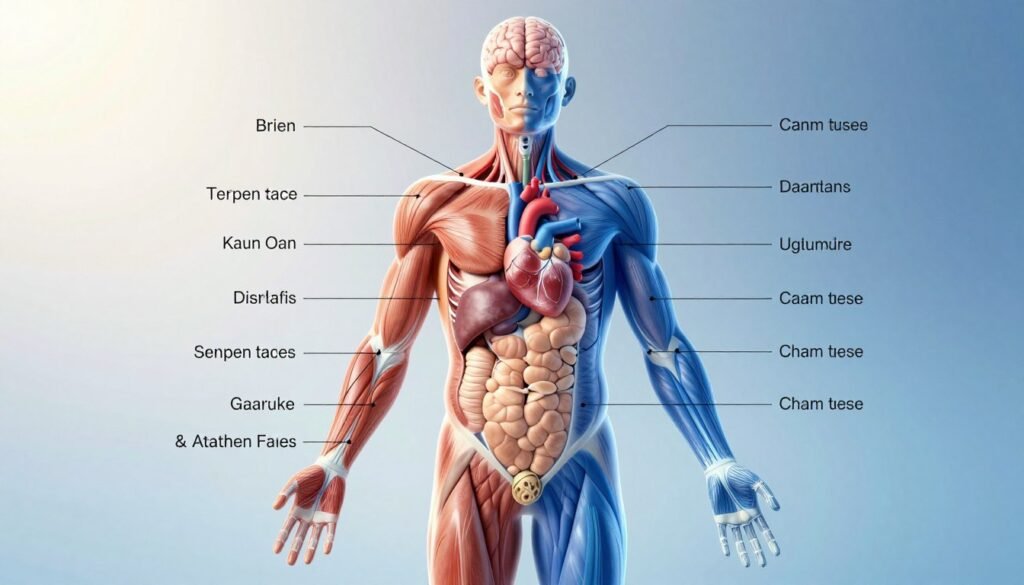
A detailed, anatomical illustration of water distribution in the human body, highlighting key areas such as the brain, heart, muscles, and organs. In the foreground, depict a semi-transparent human silhouette filled with fluid blue tones to represent hydration levels. The middle layer should show labels or diagrams for major organs while maintaining a clean and educational look. The background should feature a subtle gradient that transitions from light to dark, symbolizing the passage of time as water is absorbed and distributed. Use soft, natural lighting to give a bright and inviting atmosphere, and incorporate a slight vignette effect for focus. The overall mood should be informative and inspiring, appealing to readers interested in health and wellness.

How Different Organs Receive and Use Water

Every organ system has specific body needs that dictate how it uses these fresh fluids. The brain requires stable fluid levels to maintain electrical signaling and sharp cognitive focus. When you are well-hydrated, your heart uses the influx to stabilize blood volume, making every beat more efficient for circulation.

Your muscles also rely on this timing for smooth contraction and the swift removal of metabolic waste during activity. Additionally, the skin uses moisture for temperature control and to strengthen its protective barrier against the environment. Within two hours, the water reaches every major system and settles into the body for long-term use.

Organ System Primary Hydration Function
Brain Maintains electrical signaling and focus
Heart Stabilizes blood volume and pumping
Muscles Supports contraction and waste removal
Skin Regulates temperature and barrier health

The Kidney Filtration Process Begins

The kidneys act as the master regulators of balance as the body settles into its hydrated state. These organs constantly monitor the chemical composition of your blood to detect any excess water. If you drink more than the body needs, the kidneys ramp up urine production to eliminate the excess water quickly.

Healthy organs respond dynamically to keep your internal environment stable and safe. If you are dehydrated, the system conserves fluid by concentrating urine and reducing total output. By the end of two hours, the water has finished its primary integration, though the kidneys continue their regulatory work to maintain your health.

“The kidneys are remarkably efficient at processing volume; a healthy adult can excrete up to one liter of fluid per hour during peak hydration.”

How Long Does It Take for Water to Change Your Body?

The transition from thirst to cellular satisfaction follows a specific biological schedule that begins almost instantly. While you feel relief the moment you sip, the internal shifts happen in waves. On an empty stomach, absorption begins within five minutes and reaches its peak around twenty minutes.

If you are already dehydrated, the process may take forty-five minutes to fully begin. This delay happens because dehydration causes the stomach to produce more acid. Furthermore, less blood is flowing overall, which slows down the movement of fluids into the bloodstream.

Immediate Effects (5-20 Minutes)

During this initial window, your system prioritizes immediate relief and systemic preparation. You will notice increased saliva production and improved mouth moisture almost right away. As the fluid enters your bloodstream, your blood volume begins to expand slightly.

This minor shift can trigger early cognitive benefits by improving circulation to the brain. Simultaneously, your system sends the first signals to your kidneys to begin processing the incoming fluid. It is the first step in a complex chain of events that moves the water through your entire system for better health.

Short-Term Benefits (1-2 Hours)

By the time two hours pass, the amount water you consumed has reached deep into your tissues. Most people reach full rehydration within this specific window. During this time, you may experience optimized blood pressure and more efficient circulation.

Your cells achieve a better hydration status, which enhances your physical performance and helps your body regulate its temperature. You might also notice clearer thinking and a stabilized mood. Your kidneys now function at a normal rate, producing appropriate urine as they filter out waste products efficiently.

Daily Impact (Consistent Hydration Over 24-72 Hours)

While a single water drink provides quick relief, the most profound changes occur when you maintain hydration for more than one day. Consistent intake over 24 to 72 hours sustains energy levels and improves skin elasticity. Over several days, you will likely notice better digestive regularity and smoother joint lubrication.

This consistent habit allows your metabolic processes to run at peak efficiency. It is important to remember that individual factors like climate or activity levels change your needs. Reversing chronic dehydration requires a steady effort over a long period rather than one large glass.

True wellness comes from how you treat your body every single day. One glass of water starts the journey, but consistency allows the body to thrive. Always prioritize drinking water regularly to ensure your water levels remain optimal.

  • Sustained Energy: Consistent hydration prevents the afternoon slump.
  • Skin Health: Improved elasticity and a clearer complexion.
  • Digestion: Better regularity and nutrient absorption.
  • Joint Comfort: Enhanced lubrication for smoother movement.

The Dehydration vs. Rehydration Timeline

The biological clock for losing water moves much faster than the one for putting it back into your system. It is essential to understand that prevention is far more efficient than treatment. When you lose fluids, your internal mechanisms change, making it harder to bounce back quickly.

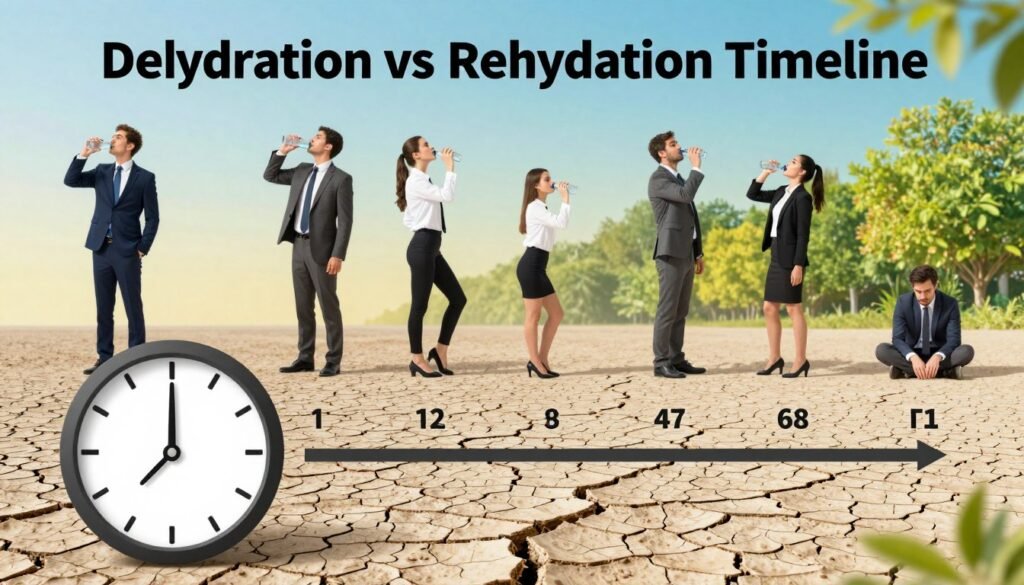
A detailed infographic illustrating the "Dehydration vs. Rehydration Timeline." In the foreground, depict a stylized clock symbolizing time, with arrows showing stages of hydration, like a path leading from dehydration to rehydration. The middle layer should display human figures in professional business attire, positioned at different points along the timeline, engaging in hydration activities like drinking water, exercising, and resting. In the background, create a gradient that transitions from a dry, cracked landscape to a vibrant, flourishing environment representing hydration's benefits. Soft, natural lighting highlights the healthy transformation, evoking a sense of wellness and vitality, while a smooth focus emphasizes clarity and professionalism.

How Long Dehydration Takes to Set In

Mild dehydration can begin within just a few hours if you do not drink enough water. This is especially true during intense physical activity or when facing high summer heat. Moderate to severe dehydration typically develops over 6 to 24 hours of a continued fluid deficit.

People often notice the first signs through increased thirst and darker urine output. As the deficit deepens, dry mouth, fatigue, and dizziness become more prominent. These symptoms indicate that your internal balance is shifting away from optimal performance.

A headache or sudden confusion may eventually signal that the body is under significant stress. Excessive sweating, vomiting, or diarrhea can accelerate this timeline significantly. Staying ahead of these signals is the best way to maintain your health.

How Long Rehydration Takes When You’re Dehydrated

Once you are dehydrated, it can long take nearly 45 minutes for fluids to reach the bloodstream. This is much slower than the 15 minutes required when you are already well-hydrated. The body produces more stomach acid during dehydration, which significantly slows down gastric emptying.

It usually takes about two hours to rehydrate fully after drinking much water. People must be patient because the system prioritizes vital organs before distributing moisture elsewhere. This staggered recovery means you may not feel better instantly.

Drinking enough water consistently is the best way to avoid this sluggish recovery time. Finding out how long take to recover helps you plan better during exercise or illness. Consistent intake prevents the digestive delays that happen when you are parched.

Hydration Status Absorption Speed Primary Physical Sign
Well-Hydrated 15 Minutes Clear or light yellow urine
Mildly Dehydrated 30-45 Minutes Dry mouth and fatigue
Severely Dehydrated 45+ Minutes Dizziness and confusion

Factors That Speed Up or Slow Down Water Absorption

Understanding the biological and environmental triggers for fluid uptake can help you stay hydrated more effectively. Several factors decide how fast your body takes in liquids. Some choices help you hydrate quickly, while others cause a significant delay.

Empty Stomach vs. Eating with Meals

Drinking plain fluids on an empty stomach is the fastest way to see results. Without solid food in the way, liquid moves into the small intestine within 5 to 20 minutes. This allows for nearly immediate absorption into the bloodstream.

However, a large meal can delay this process significantly. High-fat or high-fiber foods keep the stomach busy for a lot of time. Water may sit for up to two hours while the digestive system prioritizes breaking down solid materials first.

Drink Temperature and Concentration

The amount of sugar or salt in your drink changes the speed of water absorption. While plain water is very fast, a small amount of sodium can actually help. This happens through a biological process called sodium-glucose co-transport.

Conversely, very sugary or salty drinks can slow things down. They might even pull moisture into the gut before the actual absorption begins. While temperature is often debated, cold fluids only slightly slow the exit from the stomach for a few people.

Exercise, Heat, and Altitude Effects

Extreme conditions change how we process fluids. During intense exercise or high heat, you lose a lot of moisture and electrolytes through sweat. Your body often prioritizes blood flow to your muscles instead of your digestive tract.

At high altitudes, you breathe faster, which increases water loss through respiration. These environmental factors make consistent sipping more effective than drinking one large glass. Focusing on understanding water absorption helps you adapt to these conditions. Choosing the right temperature ensures your water works for you.

Factor Faster Effect Slower Effect
Digestive State Empty Stomach Full Meal (High Fat)
Drink Type Plain Water High-Sugar Syrups
Activity Level Resting Intense Exercise
Elevation Sea Level High Altitude

How Water Leaves Your Body and When

Hydration functions as a continuous cycle where fluid moves through the system and eventually exits. While we focus on the drink passing through the mouth and esophagus, the exit is just as vital. Your kidneys remain active at all times to filter the blood and maintain balance.

This excess fluid will leave body systems much faster than solid waste moves through the digestive tract. The speed of this process depends heavily on your current hydration status and metabolic needs. Understanding this exit timeline helps you maintain a steady internal environment.

Urination Timeline and Frequency

The primary way water leaves is through the urinary tract. When you are already well-hydrated, the urge to urinate can occur within 15 to 30 minutes of drinking. Healthy kidneys respond rapidly to an excess of fluid by increasing output to keep your blood volume stable.

If you are dehydrated, the body prioritizes tissue hydration and holds onto every available drop. This natural defense mechanism is why water stays in your system much longer when you are thirsty. In such cases, the kidneys produce a smaller volume of darker, more concentrated urine.

“The efficiency of fluid elimination is a direct reflection of your internal balance and organ health.”

Sweat, Respiration, and Other Routes

There are several ways for moisture to leave body tissues beyond simple urination. You lose liquid through sweat to regulate your internal temperature during exercise or heat. Additionally, water leaves the lungs as vapor every time you exhale throughout the day.

A small amount of water also stays in the stool to facilitate smooth waste removal. Because you lose water through sweat and breath every minute, you must replace fluids regularly. This constant loss explains why yesterday’s intake does not support today’s physical needs.

Route of Loss Typical Daily Volume Primary Function
Urination 1.0 – 2.0 Liters Waste Filtration
Sweating 0.5 – 1.0 Liters Temperature Control
Respiration 0.3 – 0.4 Liters Gas Exchange

Consistent hydration is necessary to offset these ongoing losses. By drinking throughout the day, you ensure your organs have a steady supply of fluid to function correctly. This balance is the key to long-term health and energy.

How to Optimize Your Hydration Timeline

You can significantly enhance your hydration efficiency by adopting a few simple, evidence-based habits. Focusing on the right timing ensures your body absorb moisture where it is needed most. Learning how to drink water effectively helps maintain steady energy levels throughout the day.

A structured approach prevents the common mistake of over-hydrating in a single sitting. By spreading your intake, you support your natural metabolic processes and maintain a healthy internal balance. High-quality drinking water serves as the foundation for your overall physical and mental wellbeing.

Activity Phase Recommended Action Primary Benefit
Upon Waking 8–12 oz Plain Water Rapid absorption on empty stomach
Pre-Exercise 10–17 oz (30–60 mins prior) Pre-loads cells before sweating
During Meals Small sips only Prevents diluting digestive enzymes

Strategic Timing for Fastest Absorption

Morning is an ideal time for a glass water because your stomach is empty. This lack of food allows the fluid to reach your bloodstream within minutes of waking up. Starting your morning this way helps rehydrate your brain and tissues after a long night of rest.

For meals, try to drink water 20 to 30 minutes before eating rather than during the meal. This window ensures that gastric emptying happens quickly without being delayed by solid food. If you plan to exercise, consume your water drink 30 to 60 minutes before you begin.

This lead time gives your system enough time to process the hydration before physical stress begins. It is much more effective than chugging a large volume right as you start your workout.

Optimal Drinking Amounts and Frequency

Steady intake is much more effective than consuming a large amount at once. We suggest sipping 150 to 250 ml of drinking water every hour while you are awake. This consistent frequency keeps your hydration levels stable and supports kidney health.

Consuming smaller volumes also helps you avoid the sudden, urgent need to use the restroom. It allows for a more efficient distribution of fluids to your cells and vital organs. Your body simply cannot process massive amounts of fluid in a single burst.

Avoid drinking more than one liter of plain water in any single hour for extended periods. Extremely high volumes can dilute your blood minerals and lead to health complications. Always monitor your thirst and urine color to adjust your daily goals.

When to Add Electrolytes for Better Results

Sometimes, your cells need more than just a standard glass water to recover effectively. During intense exercise or extreme heat, adding electrolytes like sodium can be very beneficial. These minerals create a biological “pull” that helps your body absorb fluids across the intestinal wall faster.

This co-transport mechanism is especially helpful during long physical sessions lasting over 60 minutes. Plain water alone may not be enough to replace what is lost through heavy sweating. Using a low-osmolar drink with a tiny bit of glucose can further improve this uptake process.

These specialized drinks are also useful when you are recovering from an illness involving fluid loss. By matching the concentration of your blood, these solutions move into your system with strong efficiency. Always choose options with minimal added sugars for the best health results.

Special Hydration Timelines for Different Situations

The way your internal system processes fluids depends heavily on your age, activity level, and overall health status. While the basic mechanics of absorption remain consistent, certain groups must adjust their habits to maintain peak health. Understanding these nuances helps people avoid the pitfalls of dehydration during critical moments.

Athletes and High-Intensity Exercise

Athletes turn over water much faster than the average person. During intense exercise, you can lose over a liter of sweat every hour. It doesn’t long take for performance to dip when fluids are not replaced. To stay ahead, start a prehydration window two to four hours before your session. Replace what you lose by weighing yourself before and after activity. If you lose a lot of weight, drink 125-150% of that loss within four hours. Add electrolytes to help your body retain the fluid.

Older Adults and Children

Aging often blunts the sensation of thirst. Older adults should schedule regular sips throughout the day rather than waiting to feel thirsty. Children also face challenges because they often forget to drink while playing. They have a higher surface-area-to-volume ratio, which increases evaporative loss through the skin. Parents should offer small, frequent amounts of water to ensure their body needs are met. This is especially important during sports or in high heat to prevent overheating.

Pregnancy, Illness, and Medical Conditions

During pregnancy, blood volume increases by nearly 50%, so the body requires significantly more fluid. Breastfeeding also raises daily requirements to support milk production. When illness strikes, such as a fever or stomach bug, aggressive rehydration is vital for your health. Medical conditions like gastroparesis slow down stomach emptying, requiring smaller sips over a longer period. Always ensure you drink enough water if you take medications like diuretics. Many people find that small, frequent sips are kinder to the stomach if they suffer from GERD symptoms.

Situation Timing Adjustment Hydration Strategy
High Activity 2-4 Hours Pre-Workout Electrolyte-rich fluids
Older Adults Every 1-2 Hours Scheduled, small sips
Pregnancy Throughout the Day Increased total volume
Gastroparesis Continuous/Slow Minimal volumes frequently

“Proper hydration timing is not just about how much you drink, but how your biology demands it at different stages of life.”

Conclusion

Knowing how quickly water enters your system helps you make smarter choices for your health. Unlike food, which requires long digestion, drinking water begins to be absorbed in as little as five minutes. This rapid absorption makes it the most useful nutrient for your body.

The journey concludes as the small intestine processes the majority of the liquid. While the large intestine also absorbs water, most fluid enters the bloodstream much faster. Because your body continuously loses fluid, monitoring the amount water your system requires is vital for daily balance.

Steady water absorption ensures that every cell remains active throughout the day. By choosing regular intake, you provide your system with a steady foundation for water to work effectively. Understanding this water timeline allows you to manage your wellness with confidence and clarity.

FAQ

How long does it take for water to change your body after drinking?

Most people notice a difference within minutes of their first sip. Once you drink water, it travels through the esophagus and into the stomach. The absorption process begins almost immediately, with fluid entering the bloodstream in as little as five to twenty minutes. This fast time frame allows your system to start hydrating cells and stabilizing your blood volume quickly.

Does the presence of food affect the rate of water absorption?

Yes, having food in your stomach can slow the way the body absorbs liquids. When you consume a lot of solid foods, the stomach focuses on digestion, which creates a slight delay in gastric emptying. For the most rapid rehydration, drinking on an empty system allows fluid to reach the small intestine faster, where the majority of water absorbed occurs.

How do the kidneys manage the amount of water in the bloodstream?

The kidneys act as a sophisticated filtration system for your health. Once water enters the bloodstream, these organs monitor the amount of fluid currently circulating. If you have excess water, the kidneys produce urine to help the excess leave the body. This process usually begins within one to two hours after you water drink a significant amount.

Is the large intestine involved in how the body manages fluids?

While the small intestine does the heavy lifting, the large intestine also absorbs water from remaining waste products. This secondary stage ensures your body needs are met by reclaiming as much moisture as possible. It is a vital part of maintaining a healthy balance throughout the day, especially when you do not consume enough water.

What factors increase the speed at which water leaves the body?

Several factors influence how fast water leaves your system, including temperature and physical activity. When you sweat during exercise, your body uses fluid to cool down, increasing the demand for drinking water. In these cases, the intestine works efficiently to move much water into the blood to replace what was lost through the skin and breath.

How many glasses of water should I consume to maintain proper health?

The exact amount varies for different people, but a standard glass water multiple times a day is a good baseline. Your body signals its requirements through thirst. By the time you feel thirsty, your fluids are already low. Consistent intake ensures that your blood, stomach, and organs function at their peak without the stress of dehydration.


Leave a Reply

Your email address will not be published. Required fields are marked *