
Beautiful Plants For Your Interior

Learn how to prevent dehydration on Zepbound with our expert guide. We provide essential tips to help you stay safe and properly hydrated during hot weather.

Nearly 70% of adults in the United States struggle with being overweight. Zepbound offers a modern path for weight loss and chronic management. However, summer heat poses a unique risk for those using these new medications.
Some links below are affiliate links. If you buy through them we may earn a commission at no extra cost to you. See our Affiliate Disclosure.
The treatment works as a dual agonist and improves metabolic health. While effective, patients may face indirect fluid loss from gastrointestinal side effects. When the sun bears down, staying safe requires more than a quick sip.
The medication often reduces hunger and thirst cues. This means patients might forget drinking enough during the day. Proper hydration becomes a critical daily task for avoiding dehydration.
Related guide: Water for Weight Loss & GLP-1 — the full hydration guide
We have created this guide to help you recognize early warning signs. You will learn ways for building a schedule that keeps your body balanced. Understanding fluid risks helps you stay focused and safe.
Environmental heat stress combines with medication factors and elevates risks significantly. Our practical approach provides specific recommendations rather than generic advice. We want you informed and empowered on your journey.
Zepbound has changed the landscape of chronic weight management, yet it requires careful attention to daily fluid intake. This medication helps many people reach their health goals, but it alters how the body processes water. We must look at the science behind the treatment to understand why hydration becomes a priority.
Zepbound is a dual gip glp-1 receptor agonist approved for chronic weight management. It mimics two natural hormones that regulate your appetite and blood sugar levels. By activating these pathways, it slows gastric emptying and reduces hunger signals in the brain.
This process helps you feel fuller for longer periods, leading to significant weight loss. While these effects are beneficial for long-term health, they also change your internal hydration patterns. The slower digestive process means your body handles food and beverages differently than before.
The primary risk comes from common gastrointestinal side effects. Many patients experience nausea, vomiting, or diarrhea, which cause rapid fluid loss. These symptoms are most common during the early stages of treatment or when increasing your dose.
Furthermore, a reduced appetite often means you drink less water than your body requires. Since the gip glp-1 receptors slow digestion, recovering from a deficit takes more effort. Staying proactive is essential for safety.
Maintaining hydration is not just about comfort; it is a critical safety measure when using advanced metabolic treatments.
Careful monitoring of these side effects ensures you stay safe while managing your weight and health effects. Using a side effects tracker can help you identify patterns before they lead to severe dehydration. Monitoring your gastrointestinal side effects is especially important during heatwaves.
| Symptom | Prevalence | Hydration Impact |
|---|---|---|
| Nausea | 24% – 30% | Lower oral intake |
| Diarrhea | Common | Direct water loss |
| Vomiting | Common | Acute fluid loss |
Maintaining a healthy balance becomes more difficult once the summer sun begins to bake the pavement. For those focusing on weight loss, rising temperatures introduce a silent but steady pressure on the physical system. While the medication assists your health journey, high heat acts as an external stressor that requires your attention.
Many patients find that their natural thirst signals change while taking zepbound. The medication can blunt the urge to drink. This leaves you vulnerable even when your body needs water most for cooling.
You might not realize you are reaching a point of dehydration until you feel sluggish or tired. Summer routines often lead us to spend more time outdoors. This shift changes how we use our internal water resources throughout the day.
We must move away from drinking only when we feel thirsty. Instead, we should adopt a planned schedule to stay ahead of our needs. We encourage all patients to realize that the body’s cooling system is under extra strain during the peak summer months.
Proactive hydration is not just a helpful tip; it is a necessity for your safety. By preparing your body before you step outside, you create a buffer against the heat. This approach ensures your journey remains both safe and effective.
| Summer Activity | Heat Impact Level | Hydration Priority |
|---|---|---|
| Gardening | Moderate | Frequent small sips |
| Beach Trips | High | Pre-hydration is key |
| Outdoor Exercise | Very High | Electrolyte replacement |
“Staying hydrated is the most fundamental way to support your body’s natural cooling mechanisms during the summer months.”
When temperatures climb, our bodies rely on sweating to stay cool. This evaporative process is effective but uses a large amount of fluid. In extreme heat, you can experience a rapid reduction of water through both sweat and breathing.
Outdoor activities like gardening or walking can lead to losing water very quickly. This depletion happens faster than most people expect. If you do not replace these stores, the physical symptoms of heat stress can appear without warning.
The true risk appears when medication-related issues meet the summer sun. Common side effects such as nausea or mild stomach upset can already lower your water levels. When you add heavy sweating to these side effects, the risk of severe dehydration increases.
Summer vacations often distract us from our daily habits. We might misjudge our need for fluid while at the beach or during a hike. Staying vigilant is the best way to protect your health during these busy and active months.
Early awareness of physical changes allows you to address fluid needs before they become dangerous. Staying proactive about your hydration status is essential for maintaining your overall health while using GLP-1 medications. Recognizing the specific signs dehydration can prevent minor issues from turning into medical emergencies.
Many individuals focus solely on weight loss and may overlook how the medication changes their thirst signals. Because these drugs slow digestion, your body might not signal a need for water as quickly as it used to. Understanding these effects helps you stay ahead of the curve during the hot summer months.
Consistency in self-monitoring is the best tool for safety. We recommend checking in with yourself several times a day to evaluate your energy, skin, and bathroom habits. Small adjustments made early in the day can stop a downward spiral of fluid loss.
For many patients, the first indicator of low fluid levels is a persistent dry mouth or an unusual sense of fatigue. You might notice a headache that lingers or a slight dizziness when standing up too quickly. These signals suggest that your blood volume is dropping and needs replenishment.
Monitoring your urine color is one of the most effective ways to gauge your status at home. Healthy hydration usually results in a pale yellow or straw-colored appearance. If you notice your output is dark yellow or amber, it is a clear sign that you need to increase your water intake immediately.
| Urine Color | Hydration Status | Recommended Action |
|---|---|---|
| Pale Yellow / Straw | Optimal Hydration | Maintain current intake |
| Dark Yellow / Mustard | Mild Dehydration | Drink 16oz of water now |
| Amber / Orange | Significant Dehydration | Drink fluids and electrolytes |
“Listening to your body’s quietest signals is the first step in preventive care for anyone on metabolic treatments.”
Other mild effects include dry skin that does not snap back when pinched and worsening constipation. If you experience these indicators, do not wait for “thirst” to kick in. Drink a glass of water and rest in a cool environment to see if your symptoms improve.
Severe dehydration is a medical emergency that requires swift action to protect your kidney function. If you have not produced urine for 12 hours or more, your body is struggling to manage its waste. This state can lead to acute kidney injury if not treated by professionals.
When these symptoms appear, home intervention is often insufficient. High-risk patients, such as older adults or those with pre-existing conditions, may deteriorate much faster than others. If you cannot keep fluids down due to nausea, seek help at an urgent care or emergency room immediately.
Protecting your well-being means knowing when to stop self-treating. A combination of dark urine and a racing heart should never be ignored. Quick medical evaluation ensures that your weight loss journey remains safe and sustainable through the heat.
Proactive hydration is the best defense against the fluid loss risks associated with Zepbound. Since this medication suppresses appetite, it also masks natural thirst signals. We must use specific strategies to ensure our bodies receive the liquid they need to function.
Relying on feeling thirsty is risky for patients on this treatment. A structured plan ensures consistent fluid intake regardless of appetite levels. We recommend drinking a glass of water immediately upon waking to start your day.
Schedule specific times for your intake at mid-morning, lunch, and dinner. Using a marked bottle helps track progress throughout day milestones easily. Many people find smartphone reminders helpful for maintaining consistent hydration habits when they don’t feel thirsty.
The National Academies of Sciences suggests approximately 3.7 liters for men and 2.7 liters for women. However, your ideal water intake depends heavily on your current weight. A common baseline is to drink half an ounce to one ounce of fluid per pound.
This calculation provides a starting point for daily fluid intake goals. Your specific intake should be tailored to your unique medical history. Consult your doctor to refine these numbers based on your weight and overall health status.
High temperatures and physical activity significantly increase your body’s cooling needs. During extreme heat, patients may need to increase their water intake by 50% or more. Add two to three cups of liquid for every hour spent in the sun.
If you experience nausea or diarrhea, you must replace those lost fluids immediately. Distributing your fluid intake evenly throughout day blocks keeps your levels stable. This approach helps manage gastrointestinal side effects while preventing sudden drops in hydration.
| Factor | Baseline Recommendation | Hot Weather Adjustment |
|---|---|---|
| Men | 3.7 Liters Daily | Add 2-3 cups per hour of heat |
| Women | 2.7 Liters Daily | Add 2-3 cups per hour of heat |
| GI Distress | Standard Goal | Add 1-2 cups per episode |
Effective hydration strategies involve more than just drinking water; they require intentional choices and timing. By planning your approach, we can maintain a healthy balance even when the sun is at its peak. This proactive method helps protect your body from the combined effects of heat and medication.
Plain water remains the foundation of your daily intake, but variety helps you stay consistent. Many users find that room-temperature or slightly cool water is easier to digest than ice-cold drinks. This is particularly helpful when you are managing nausea or stomach sensitivity.
You can also try sugar-free electrolyte drinks, herbal teas, or clear broths to provide hydration while offering variety. Infusing your water with cucumber or mint provides flavor without adding unnecessary sugars. These options make it easier to reach your daily goals without feeling bored by your beverage choices.
Proper hydration requires sipping slowly rather than gulping large amounts at once. It is best to avoid consuming high volumes of fluids immediately before or during meals. This practice helps reduce nausea and prevents you from feeling prematurely full.
Instead, focus on consistent fluid consumption between your meals to support steady absorption. We recommend checking the guide on how much water per day on to meet your specific needs. Try to distribute 35% of your fluid intake during the hottest midday hours when your body loses moisture fastest. Consistency is the key to preventing the fluid drops that lead to heat exhaustion.
When heat or physical activity increases, replacing electrolytes becomes vital for your safety. These solutions help restore minerals lost through sweat or gastrointestinal issues. Using electrolytes effectively can prevent common summer complications like muscle cramps or dizziness.
However, patients with heart or kidney conditions should be cautious with high-sodium electrolyte products. Always consult your healthcare provider to determine the best strategies for your specific medical history. Utilizing the right fluids can prevent severe dehydration, but professional healthcare guidance ensures you choose the safest electrolytes for your body.
One of the most challenging aspects of using Zepbound is managing common gastrointestinal side effects. These side effects often create a difficult paradox for patients. Your body requires more water to process the medication, yet the symptoms make drinking feel like a chore.
When you experience gastrointestinal side effects, the loss of liquids through the digestive tract can happen quickly. It is vital to understand that staying hydrated while taking GLP-1s actually helps mitigate these issues. Proper hydration keeps the digestive system moving and can reduce the intensity of gastrointestinal symptoms.
We recommend tracking your intake even when you do not feel thirsty. Maintaining a steady fluid balance is the best way to support your metabolic health during weight loss. If the gastrointestinal symptoms become persistent, a structured plan for intake is necessary to avoid medical complications.
“When experiencing gastrointestinal side effects, small frequent sips may be better tolerated than larger volumes.”
If you are struggling with nausea, drinking full glasses of water can feel impossible. Instead, focus on taking small, frequent sips of about one to two ounces every 20 minutes. This measured approach prevents the stomach from becoming overly full, which often triggers more gastrointestinal symptoms.
We recommend choosing clear, room-temperature fluids or soothing options like ginger and peppermint tea. Avoid very cold or carbonated drinks, as these can worsen the gastrointestinal side of your recovery. These small changes can significantly lower the side impact on your daily comfort.

Timing your intake is also key to success. Try to wait at least 30 to 60 minutes after your Zepbound dose before drinking significant amounts of fluid. Avoiding large volumes of water during meals can also prevent the nausea from worsening by reducing stomach pressure.
Significant loss of water and nutrients occurs during bouts of vomiting or diarrhea. To prevent dehydration, you must replace these elements using oral rehydration solutions (ORS). These solutions contain the perfect balance of electrolytes and glucose to ensure rapid absorption in the gut.
Drink one to two cups of an electrolyte beverage for every episode of vomiting or diarrhea. If you cannot keep any liquids down for 12 hours, seek medical help immediately. Managing the gastrointestinal side of your treatment at home is possible, but safety remains the first priority.
Keep a log of your gastrointestinal symptoms to share with your healthcare provider. This data helps them determine if your side complications require a dosage adjustment. Addressing the side effects of your medication promptly ensures your weight loss journey remains safe and productive.
| Symptom | Hydration Strategy | Recommended Beverage |
|---|---|---|
| Nausea | Sip 1-2 oz every 15 mins | Ginger or Peppermint Tea |
| Vomiting | Replace 1-2 cups per episode | Oral Rehydration Solution |
| Diarrhea | Continuous small amounts | Diluted Electrolyte Drinks |
| Side Effects | Avoid fluids during meals | Room Temperature Water |
Implementing simple daily habits can significantly improve your hydration status while managing side effects. For patients pursuing weight loss, staying consistent is the key to maintaining long-term health. These practical steps ensure that your body handles both the summer heat and your medications effectively.
“Water is the only drink for a wise man.”
Carry a reusable bottle with time-marked measurements to create visual goals throughout the day. Taking zepbound can sometimes dull thirst signals, so setting phone reminders every hour is helpful.
Aim to finish one 16-ounce bottle every two hours during normal activity. Increase this to once per hour when spending time in the sun. This proactive hydration method prevents you from falling behind on your daily needs.
Hydrating foods like watermelon and cucumbers have a high water content that supports your total fluid intake. These options are excellent when your appetite is low during weight loss treatment.
Strawberries, lettuce, and celery also provide essential nutrients while boosting moisture levels. Using food with high water content helps satisfy your appetite and keeps you refreshed when the temperature rises.
| Hydrating Food | Water Percentage | Benefit |
|---|---|---|
| Cucumber | 96% | Maximum hydration |
| Watermelon | 92% | Natural electrolytes |
| Strawberries | 91% | High fiber and vitamins |
Checking your urine color is a reliable way for patients to assess their daily hydration. Pale yellow or clear urine indicates you are drinking enough for your body’s needs.
If you see dark yellow or amber, you must increase your fluid intake immediately. Consistent monitoring helps you stay ahead of dehydration before severe symptoms like dizziness or fatigue begin to occur.
Limit caffeine and alcohol, as these can act as diuretics and negatively impact your fluid intake. Those taking zepbound should be cautious with how these substances interact with other medications in high heat.
Avoid peak sun hours between 10 AM and 4 PM to prevent excessive sweating. Prioritizing water over sugary drinks will maintain your overall health and keep your energy levels stable throughout the summer.
Knowing the difference between a small problem and a big one is vital for your safety. While most users adjust well, your healthcare provider must monitor your progress. A professional provider ensures your treatment remains safe during weight loss.
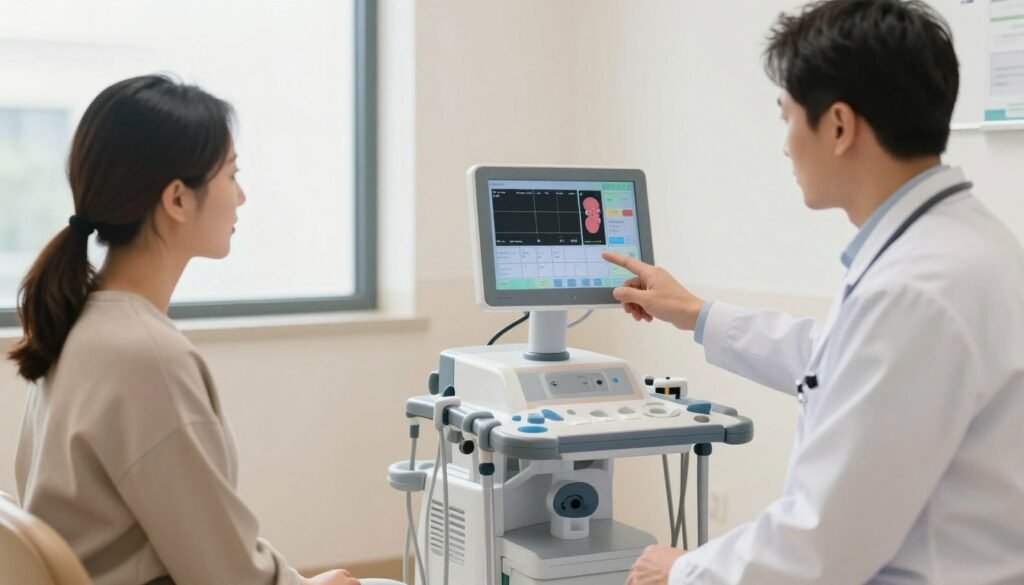
Severe dehydration can quickly become a medical emergency. You must seek emergency treatment if you stop producing urine for 12 hours. If you feel confused or faint, these are dangerous symptoms.
Other symptoms include chest pain or severe heart palpitations. If you have intense abdominal symptoms, call 911. Such severe reactions could indicate that your kidney function is failing.
A healthcare provider in the emergency room will assess your status immediately. They check if your kidney is under excessive stress. Accessing professional healthcare is vital for your safety.
The FDA label for Zepbound specifically notes the risk of acute kidney injury in patients with renal impairment who experience severe gastrointestinal adverse reactions.
You may experience side effects that require a provider to intervene. Contact your healthcare provider within 24 hours if vomiting lasts a day. If you cannot keep fluids down, your provider needs to know.
Consistently dark urine suggests your treatment needs adjustment. Your healthcare provider tracks your kidney function to ensure safety. A provider checks your kidney health after gastrointestinal reactions.
This oversight prevents a decline in function. If you notice rapid weight loss, your provider can evaluate your kidney status. You may experience weakness if a healthcare provider is not consulted after reactions.
Your healthcare team monitors kidney function to verify organ function. Proper healthcare ensures your kidney stays healthy.
| Condition | Time to Act | Recommended Action |
|---|---|---|
| No urine output | Immediate | Call 911 or visit ER |
| Severe Confusion | Immediate | Emergency Evaluation |
| Persistent Vomiting | 24 Hours | Contact Healthcare Provider |
| Dark Urine | Same Day | Notify Provider |
Integrating fluid intake ensures your zepbound treatment stays safe in heat. This medication is a great tool for weight loss. However, the risk of hot weather requires proactive care to ensure your safety.
Successful weight management uses three steps. Stick to a hydration plan and watch for dehydration signs. Always talk to your doctor. Proper care protects your health and your zepbound treatment success.
Use three hydration tips today to lower dehydration risk. Discuss your medication and treatment with your provider for better health outcomes. This approach is key for weight loss and weight management success using zepbound. Always be safe with your zepbound medication during your weight management journey.
