
Beautiful Plants For Your Interior

How much water should a 200 lb woman drink to lose weight? Discover the science behind hydration and effective strategies to support your weight loss journey.
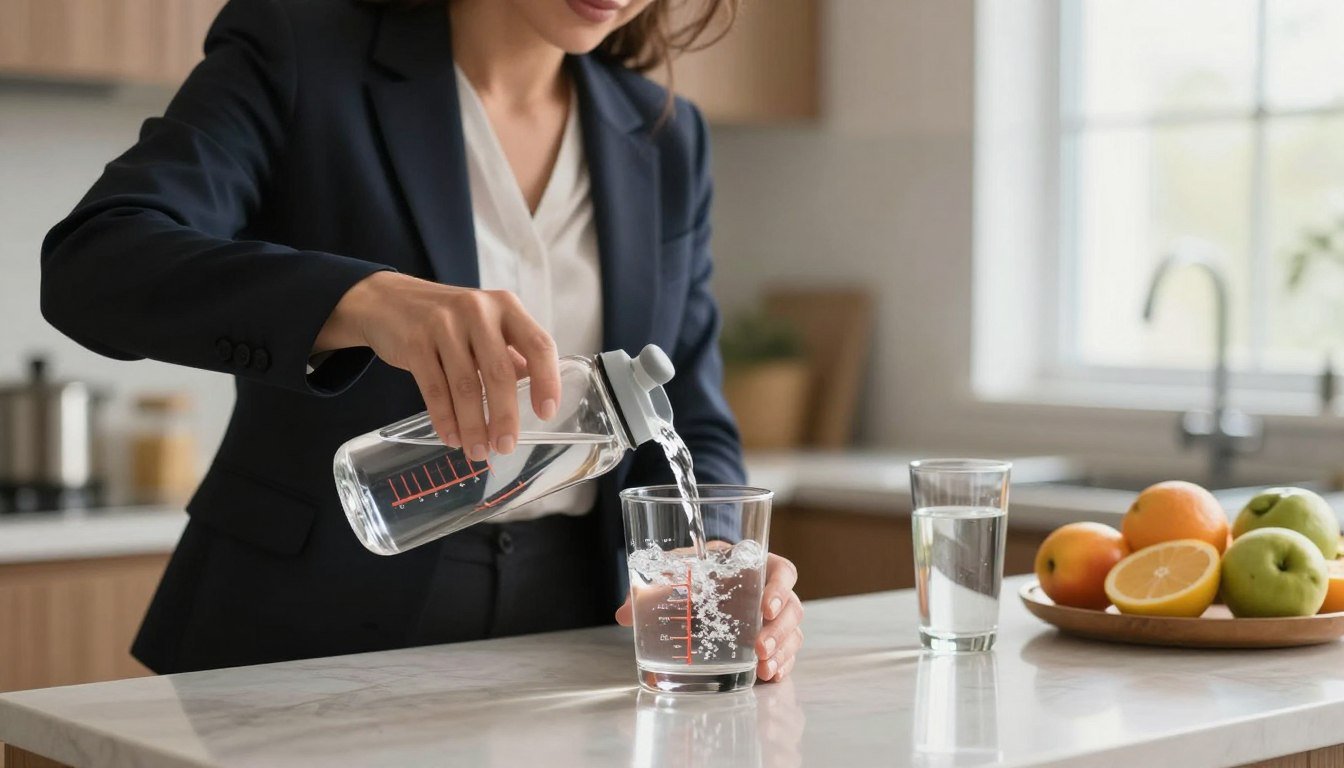
A 200-pound woman should aim for 100 ounces of water per day to support weight loss — based on the standard formula of half your body weight in ounces. That’s roughly 12 to 13 cups, or about 3 liters. If you exercise regularly or live in a warm climate, add another 16–32 oz on top of that.
Some links below are affiliate links. If you buy through them we may earn a commission at no extra cost to you. See our Affiliate Disclosure.
The math is simple. The execution requires one more step that most guides skip: making sure the water you are drinking is actually clean. At 100 oz per day, you absorb whatever is in that water in significant quantities. Tap water containing PFAS, lead, or nitrates delivers those contaminants in direct proportion to how much you drink.
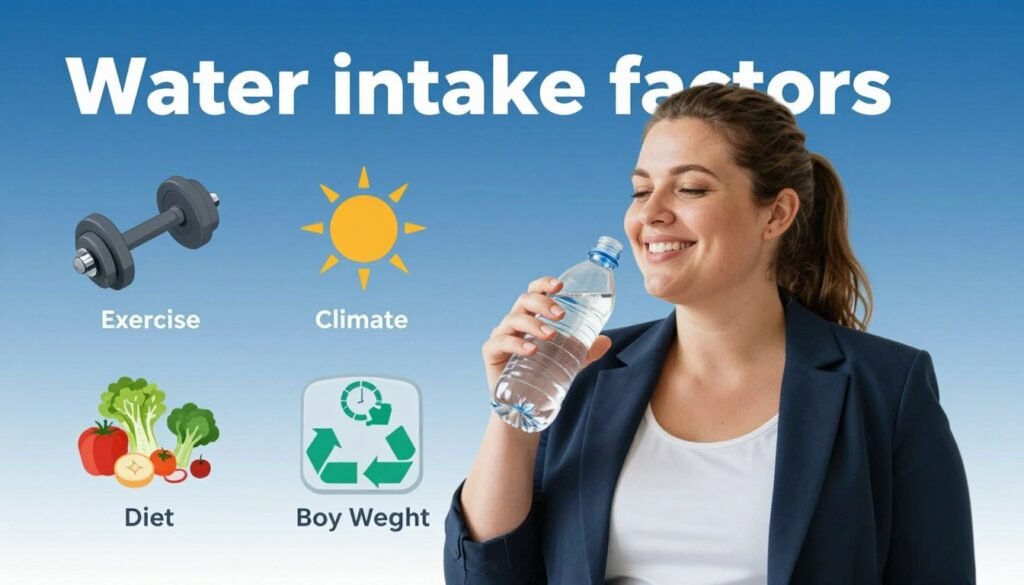
Water directly supports fat metabolism in three ways that are backed by evidence:
Related guide: Water for Weight Loss & GLP-1 — the full hydration guide
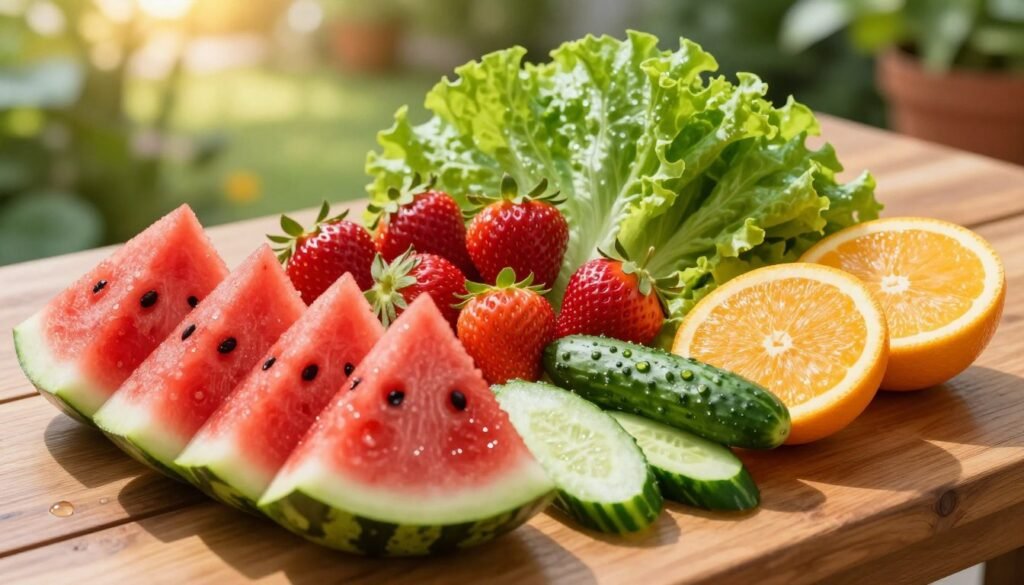
That totals 100 oz. Add more around workouts — a general rule is 16 oz per 30 minutes of exercise in moderate conditions.
PFAS — per- and polyfluoroalkyl substances — are confirmed in drinking water across all 50 US states. These compounds are known endocrine disruptors, and some research links PFAS exposure to disrupted thyroid function and altered fat metabolism. Deliberately drinking more water to lose weight while consuming elevated PFAS works against the goal.
Before significantly increasing your daily water intake, check your local water quality at ewg.org/tapwater by zip code. If PFAS, lead, or nitrates are present, use an NSF 58 certified reverse osmosis system or NSF 53 certified carbon block filter. See our full state-by-state ratings: Drinking Water Quality by State.
If you’ve been increasing your water intake, it’s worth knowing what’s actually coming out of your tap. Your utility’s annual report covers the whole system average, not your house — and it says nothing at all about private wells or your own plumbing. A certified lab test gives you a full contaminant panel and, just as often, tells you your water is fine and you don’t need to buy anything.
Clean water — filtered, free of PFAS and contaminants — is the right choice. There is no credible evidence that alkaline water, mineral water, or hydrogen water produce better weight loss results than clean filtered tap water at equivalent volume.
Yes. Hyponatremia — dangerously low sodium from excessive water intake — is a real risk, though rare outside of extreme endurance events. For a 200-lb woman, 100–130 oz per day is well within the safe range. Do not exceed 1 liter per hour as a general rule.
Yes. Sparkling water hydrates equally to still water. The carbonation itself does not cause dehydration. It is a valid option if it helps you reach your daily target.
