
Beautiful Plants For Your Interior

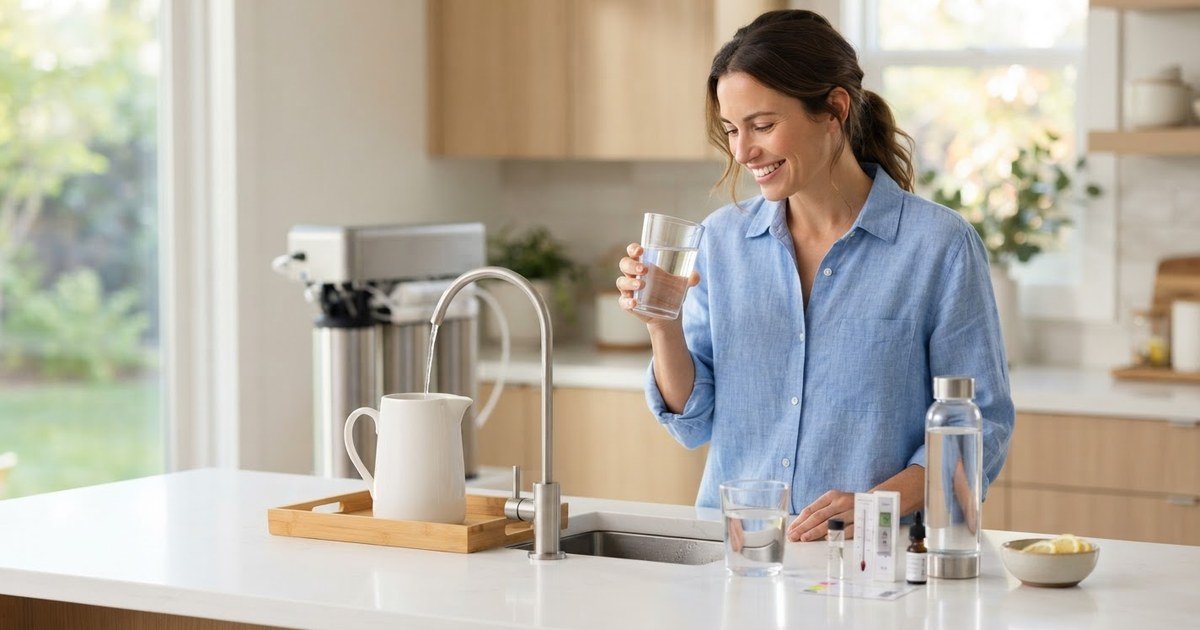
The short answer: The main advantages of drinking bottled water are convenience, a consistent taste, a long shelf life, and a reliable backup when tap water is unsafe or unavailable. The main drawbacks are the high cost, the environmental toll of plastic waste, the presence of microplastics, and the fact that it is often no safer than filtered tap water. For most people at home, filtered tap water delivers the same safety at a tiny fraction of the price.
Some links below are affiliate links. If you buy through them we may earn a commission at no extra cost to you. See our Affiliate Disclosure.
Bottled water feels like the “clean” choice, and in a genuine emergency it can be exactly that. But the everyday trade-offs are more complicated than the label suggests. Below is a straight look at what bottled water does well, where it falls short, and when a home filter is the smarter call.
A sealed bottle is grab-and-go. It fits in a bag, a car cup holder, or a gym locker without a second thought, which is why bottled water dominates travel, sports, and workplaces. If you are somewhere without a trusted tap, a sealed bottle is simple insurance.
When a boil-water notice hits, a main breaks, or a hurricane knocks out treatment, commercially sealed bottled water is one of the safest options available. Both the U.S. Centers for Disease Control and Prevention and FEMA recommend keeping a supply of bottled water on hand for emergencies. This is bottled water’s strongest use case, and it is worth stocking a reserve for exactly these moments.
Municipal tap water can taste different from city to city because of chlorine, minerals, or old pipes. Bottled water is processed to a consistent profile, so a given brand tastes the same in Denver as it does in Atlanta. For people who dislike their local tap taste, that predictability is a real draw.
In the United States, bottled water is regulated by the Food and Drug Administration (FDA) as a packaged food product, while tap water is regulated by the Environmental Protection Agency (EPA). By law, the FDA’s bottled water standards must be at least as strict as the EPA’s standards for public tap water, and in some cases they are stricter. In other words, bottled water is not an unregulated product.
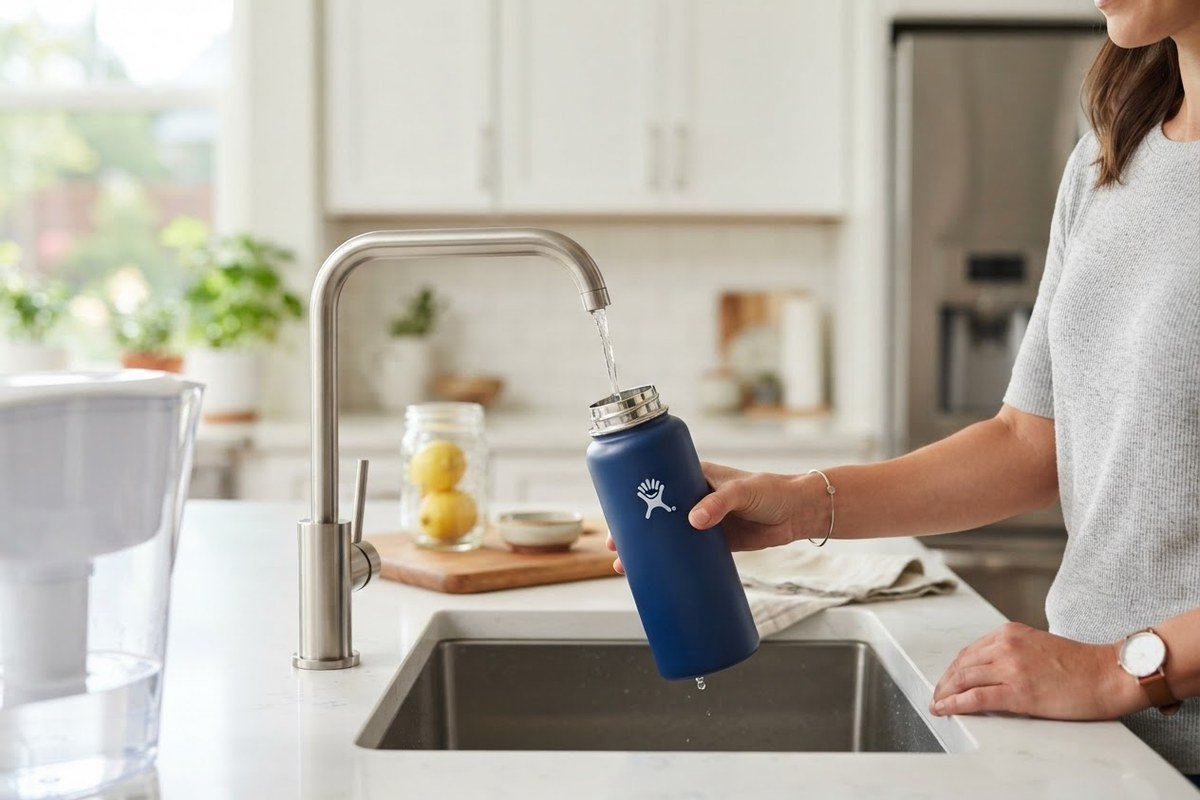
This is the con most people underestimate. U.S. tap water costs roughly half a cent per gallon, while bottled water typically runs $1.50 to $3.00 per gallon or more — hundreds of times the price for water that is often comparable in quality. A household that switches everyday drinking from bottles to filtered tap water usually recovers the cost of a filter within weeks. A quality water filter pitcher or a plumbed-in drinking water filter pays for itself quickly compared with a bottled-water habit.
Bottled water tends to contain more plastic particles than tap water. A 2024 study published in the journal PNAS found that a single liter of bottled water contained an average of about 240,000 detectable plastic fragments, roughly 90% of them nanoplastics. Earlier peer-reviewed work estimated that people who drink only bottled water may ingest tens of thousands more microplastic particles per year than those who drink primarily tap water. The FDA has stated that current scientific evidence does not demonstrate that the microplastic levels detected in foods pose a risk to human health, but research into long-term effects is ongoing, and the EPA has begun considering microplastics for future drinking-water review.
Single-use plastic bottles carry a heavy footprint. Producing, filling, and shipping them uses oil and water, and most bottles are never recycled — a large share end up in landfills, incinerators, or waterways. A reusable bottle filled with filtered tap water eliminates that waste almost entirely. A durable insulated reusable water bottle is a small purchase that removes hundreds of throwaway bottles a year.
Here is a nuance the “bottled is safer” assumption misses. Public water utilities must test their water frequently — often hundreds of times a month — publish the results in an annual consumer confidence report, and notify customers when standards are violated. Bottled water is tested less often, and results are not required to be made public in the same way. So while bottled water is regulated, it is not necessarily monitored more transparently than your tap.
Plastic bottles left in a hot car or in direct sun for long periods can develop off-tastes and may leach more compounds from the plastic. Bottled water also takes up storage space and adds weight to haul home. These are minor annoyances individually, but they add up over a year of buying cases.
Usually, no. In the United States, most public tap water meets or exceeds federal safety standards and is tested far more frequently than bottled water. Bottled water makes sense when your local supply is genuinely compromised — a contamination event, a failing private well, or an area with a documented water-quality problem. Tap water quality does vary from place to place, so it is worth checking how your area rates on our drinking water quality by state guide. If you are unsure what is actually in your water, the most reliable step is a certified lab test rather than guessing — an at-home water test kit tells you exactly what you are dealing with.
For daily drinking at home, filtered tap water hits the sweet spot of safety, taste, and cost. A carbon pitcher or faucet filter improves taste and cuts chlorine and many common contaminants, while a reverse-osmosis or whole-house system tackles a broader range for households with specific concerns. A countertop water filter is an easy entry point if you rent or cannot plumb in a system. To compare filter types, tap-water strategies, and the safest bottled brands in one place, see our best bottled and drinking water pillar guide.
Bottled water earns its place in a few situations: emergencies and natural disasters, travel to areas with unsafe tap water, events or venues without clean water access, and homes with a temporary contamination issue while a permanent fix is arranged. Keeping a modest emergency reserve is smart. Relying on it for every glass, every day, is where the cost and waste stop making sense.
For most healthy adults, drinking bottled water every day is considered safe. The bigger issues with daily use are cost, plastic waste, and microplastic exposure rather than an immediate health danger. If you drink it daily mainly for taste or convenience, filtered tap water in a reusable bottle offers the same benefits with far less expense and waste.
For the average U.S. household on a compliant public system, tap water is comparably safe and is tested more often than bottled water. Neither is universally “healthier” — it depends on your local water quality. Testing your specific tap water is the only way to know for sure.
Yes. Research has detected microplastics and nanoplastics in bottled water, generally at higher levels than in tap water. Regulators say the health significance is still being studied, but it is a reasonable reason to favor filtered tap water in a reusable container for everyday drinking.
Yes. In the U.S., bottled water is regulated by the FDA as a packaged food, and its standards must be at least as strict as the EPA’s standards for public tap water. The main difference is that tap water is tested more frequently and its results are made public.
A lot. Because tap water costs a fraction of a cent per gallon versus dollars per gallon for bottled, a household that drinks filtered tap water typically saves hundreds of dollars a year, and a filter usually pays for itself within the first month or two.
Single-use bottles are designed for one use; repeated refilling can harbor bacteria and cause more wear on the plastic. A reusable stainless-steel or BPA-free bottle designed for daily use is a safer, more durable choice.
Last updated July 20, 2026. This article is for general informational purposes only and is not professional medical advice. See our Health Disclaimer.
