
Beautiful Plants For Your Interior

Discover the quality of South Dakota's tap water in our informative listicle. Learn the key factors affecting water purity and safety.
South Dakota’s municipal water systems maintain low contamination levels statewide, but the picture is complicated by significant infrastructure gaps on tribal lands, where access to safe drinking water remains an ongoing concern. For the majority of South Dakota residents on municipal systems, water quality is genuinely good — the primary variable is whether you are on a municipal supply or a private well in an agricultural county.
Some links below are affiliate links. If you buy through them we may earn a commission at no extra cost to you. See our Affiliate Disclosure.
People often ask about the safety of their tap water. Knowing the rules and common pollutants is key for every home. Learning about local systems helps you make informed decisions for your family’s health.
We look into the current state of these essential services to shed light. Staying informed lets people push for better infrastructure and cleaner water. Let’s explore how your community handles its most valuable resource.
Water’s journey from source to faucet is full of geology and engineering. In the state, about 650 drinking-water systems work hard to get water from nature to people. Keeping water quality in South Dakota good is a big job that needs to understand these complex factors.
Every South Dakota water quality report shows the state uses both surface water and groundwater. Local utilities manage these resources well to keep the water safe. This effort helps both cities and rural areas.
Aquifers are hidden water reservoirs that help many people. They are layers of rock and sediment that hold lots of water. This water has been filtered naturally for centuries.
“Water is the driving force of all nature, and protecting our underground aquifers is essential for the health of our future generations.”
The Dakota Aquifer is well-known for its reliable water supply. Protecting these geological formations is key for state officials. They work hard to stop contamination and keep the water from running out.
Surface water is very important in the state, thanks to the Missouri River system. Big reservoirs collect water for treatment and distribution to many homes.
Many people rely on deep-well groundwater. This water is loved for its natural mineral content and steady temperature. But, the depth of these wells can affect the taste and composition of the water.
Local water managers watch these wells closely. They make sure the supply stays steady. By monitoring these deep-earth sources, the state keeps its water standards high for everyone.
South Dakota works hard to make sure every glass of water is safe. This effort is a team effort between national and local groups. By sticking to South Dakota water quality regulations, the state keeps public health a big priority for everyone.
The Environmental Protection Agency (EPA) is key in keeping water safe in the U.S. The Safe Drinking Water Act sets national standards for harmful substances. These rules help ensure all states protect their people well.
The EPA keeps these standards up to date with new science. This helps catch new dangers early. By doing this, the federal government helps South Dakota drinking water standards work well.
The South Dakota Department of Agriculture and Natural Resources (DANR) handles the day-to-day work. They check public water systems to make sure they follow all rules. They test and inspect often to make sure water is treated right.
Following these rules is not optional; it’s the law for public water providers. If a system doesn’t meet standards, the state makes them fix it fast. This local work is key to keeping water quality high in the state.
| Regulatory Level | Primary Responsibility | Key Focus Area |
|---|---|---|
| Federal (EPA) | Setting National Standards | Health-based contaminant limits |
| State (DANR) | Local Enforcement | System monitoring and compliance |
| Public Utilities | Operational Delivery | Daily treatment and testing |
Knowing what’s in your tap water is key to staying healthy in South Dakota. Most local water systems meet South Dakota water quality regulations. But, it’s good to know about possible substances in your water. Legal limits and health goals are not always the same.
This difference sparks important talks about keeping water safe. Being informed helps you make better choices for your family’s health.
Microbial contaminants like bacteria and viruses are a big worry. They can get into water through runoff or leaks. Fortunately, water providers use strong disinfection to kill these before it reaches your home.
Chemicals can show up in tap water from treatment processes. For example, chlorine can react with organic matter to form TTHMs. These are watched closely under South Dakota water quality regulations. Their presence is a common concern for those worried about long-term effects.
Heavy metals like arsenic and radium are found in the state’s water due to natural rocks. These can get into groundwater, making it hard for treatment facilities. It’s essential to know that South Dakota water contamination is managed with advanced methods. Understanding this helps you see the efforts to keep your water safe and clean.
Every glass of water in South Dakota goes through a detailed process. Local utilities turn raw water from rivers and aquifers into safe drinking water. This South Dakota water treatment is key to keeping communities healthy.
Most places use a multi-step method to purify water. It starts with adding chemicals to clump small particles together. These clumps settle at the bottom, leaving clearer water for the next step.
Then, the water goes through filters made of sand, gravel, and charcoal. This meticulous filtration removes tiny impurities. The water is now clean and ready for the final steps.
| Treatment Stage | Primary Function | Key Benefit |
|---|---|---|
| Coagulation | Particle binding | Removes sediment |
| Filtration | Physical straining | Clears turbidity |
| Disinfection | Pathogen removal | Ensures safety |
After filtration, the water is disinfected to kill bacteria and viruses. Chlorine is the main disinfectant used in South Dakota water treatment. Some places also use UV light or ozone for extra protection.
“The goal of modern water treatment is to provide a reliable barrier between the environment and the consumer, ensuring that every drop meets strict safety standards.”
Keeping water quality high is a constant task. South Dakota water quality monitoring uses sensors to check pH, turbidity, and chlorine levels in real-time. If levels are off, operators act fast to fix it.
Technicians also do regular checks on pipes and pumps. This proactive maintenance stops leaks and keeps systems strong. Thanks to South Dakota water quality monitoring, water systems are safe for everyone.
South Dakota has a diverse landscape where water quality in South Dakota changes a lot from town to town. The state works hard to keep water quality high. But, geography and population density make it complex.
People’s experience with tap water depends on where they live.
Big cities like Sioux Falls and Rapid City have better resources. They can afford the latest technology for clean water. This means thousands of homes get reliable water quality in South Dakota.
But, small towns face big challenges. They have older systems that need constant repairs. Even though many systems meet legal standards, contaminants are common in S.D. drinking water.
Rural areas often lack access to skilled operators. Running a water system needs constant attention and knowledge. Without these resources, small towns face a higher risk of problems.
“True equity in public health requires that every citizen, regardless of their zip code, has access to clean and reliable drinking water.”
Aging infrastructure is a big problem everywhere. Old pipes may not meet today’s safety standards. This leads to worries about lead or mineral buildup. The state needs to support these areas to keep water quality in South Dakota a top priority for all.
Ever wonder what’s coming out of your kitchen faucet? You can find out a few ways. While public water systems get checked often, personal peace of mind comes from testing your water at home. You can use different tools to learn more about your water.
DIY water testing kits are a good start for many homeowners. These kits have test strips that change color when they find certain contaminants like lead or chlorine. They’re great for spotting simple problems, but might not catch everything.
When you use South Dakota water testing kits at home, make sure to follow the instructions well. Remember, these kits only give a quick look at your water. If your water tastes, smells, or looks different, a kit can help you figure out if you need to do more.
“Water quality is a dynamic factor that requires consistent attention to ensure the health and safety of every community member.”
At times, a DIY kit isn’t enough. If you think your water might be really contaminated or you have a private well, it’s time to call a certified lab. Professional South Dakota water quality monitoring uses special equipment to find even tiny amounts of harmful stuff.
Think about getting help from experts if you’re setting up a water filter or have health worries. They can give you a detailed report that helps you find the best solution for your home. Using certified labs ensures your South Dakota water quality monitoring is accurate.
| Method | Best For | Accuracy Level | Cost |
|---|---|---|---|
| DIY Test Strips | Quick screening | Basic | Low |
| Certified Lab | Detailed analysis | High | Moderate |
| Public Reports | System compliance | Regulatory | Free |
By using these methods, you can keep up with your drinking water’s safety. Taking these steps is a proactive approach to keeping your home healthy for your family.
People’s views on water quality in South Dakota are mixed. Official records show water meets safety standards, but many wonder about what’s in their water. This subjective view comes from taste, smell, and news about water issues.
Community feedback is key for water providers. Many people share their thoughts on water quality through surveys. These opinions are invaluable for improving service and gaining public trust.
When people worry about water, they want more South Dakota water testing. Talking to neighbors and local groups helps understand local issues. This effort connects technical data with real-life experiences.
To know your local water supply, trust scientific data. The best way is to check the South Dakota water quality report from state agencies. These reports show testing results and if water meets standards.
It’s important to rely on the Department of Environment and Natural Resources (DENR) and health studies. Official channels give facts, not guesses. Using these sources helps you make smart choices about your water.
Many people wonder if bottled water is better than using their kitchen faucet. Marketing says bottled water is cleaner, but public water systems meet strict standards. For most in South Dakota, tap water is a reliable and safe choice for drinking.
Public water supplies are tested often to meet federal safety rules. They check for many pollutants to keep us healthy. Though South Dakota water contamination is rare, it’s fixed quickly with alerts and repairs.
Bottled water is needed only in emergencies or when water systems fail. In cases of South Dakota water contamination, like near military sites, local authorities tell us where to find safe water. So, you can trust the water from your faucet.
Choosing tap water helps the environment. Making plastic bottles needs a lot of energy and creates a lot of waste. Using a reusable bottle cuts down on plastic use.
Tap water systems are efficient and green. Even with South Dakota water contamination issues, bottled water’s environmental cost is higher. It’s shipped long distances, causing more carbon emissions. Switching to tap water saves money and helps the planet.
Keeping our water safe is a big deal for the state. They work on fixing old pipes and getting people involved. This way, everyone gets clean water, no matter where they live.
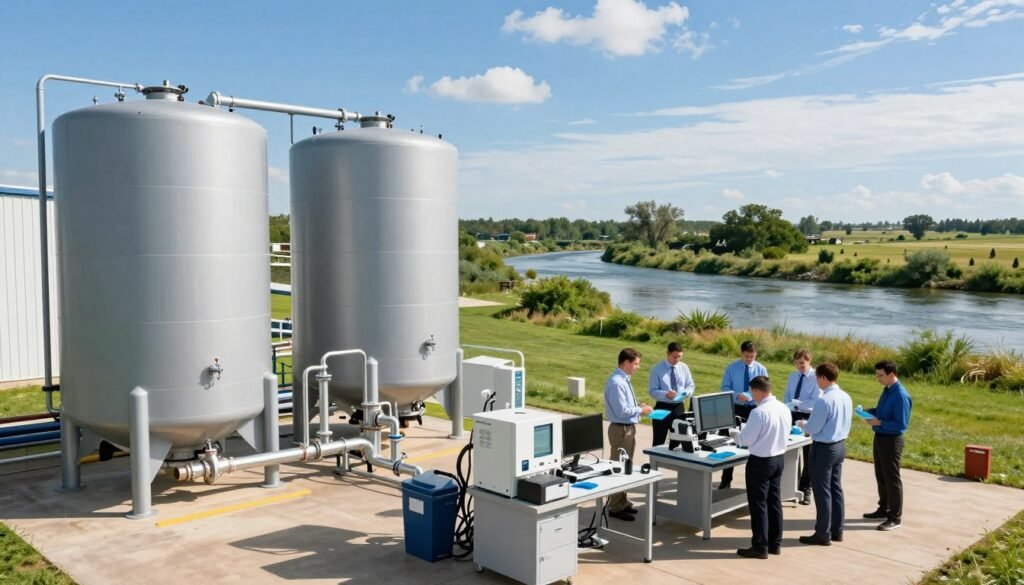
The state is putting money into better water systems. They give grants and loans to towns to update their water works. This makes sure everyone’s water meets today’s health standards.
The Department of Agriculture and Natural Resources leads these efforts. They focus on keeping water sources clean. This helps stop pollution before it gets to our taps.
Local people are also key to keeping water clean. They’re encouraged to check water reports and join discussions. When people care about water, they help protect it better.
Teaching people about water is important too. It helps them push for better water in their areas. This teamwork keeps our water safe for everyone in the future.
Keeping our drinking water safe is a team effort. State agencies and residents must work together. In South Dakota, local utilities focus on maintaining high water quality.
Recent data shows 98% to 99% of water systems meet health standards. This success shows a strong commitment to safety and the environment. You can help by staying informed about your local water supply.
Reviewing annual water quality reports is key. These reports give you insights into your area’s water. Supporting investments in infrastructure keeps our systems modern and efficient.
The future of South Dakota’s tap water quality relies on our collective efforts. Monitoring and community awareness are essential. Together, we ensure clean and reliable water for all.
← Drinking Water Quality by State — see how all 50 states are rated on our 5-factor composite methodology covering PFAS, lead, violations, disinfection byproducts, and infrastructure.
For households in remote or rural areas where centralized treatment is limited, multi-stage countertop and gravity systems offer an effective solution. See our guide: Best Countertop Water Filters for Off-Grid Homes (2026).