
Beautiful Plants For Your Interior

From contaminants to treatment, our listicle provides an in-depth look at the quality of Tennessee's drinking water. Learn the facts.
Did you know over 90% of public utility systems in the U.S. meet federal safety standards? This shows the huge effort to keep our water safe every day. In our area, managing these resources is a critical task that affects millions.
Some links below are affiliate links. If you buy through them we may earn a commission at no extra cost to you. See our Affiliate Disclosure.
Keeping Tennessee drinking water quality at high standards is a top goal for health officials. They check supply lines and test reservoirs to make sure our water is clean. This work helps us see the complex systems that protect our families.
We’ll dive into how the state manages its water to keep communities healthy. You’ll see why proactive safety measures are key for our well-being.
The health of our state depends on clean drinking water. Keeping our water safe is a big job. It needs careful watching and a strong commitment from local providers.
The state follows strict rules to make sure everyone has clean water. This makes our water reliable and safe.
Having safe water is essential for our communities. Clean water helps us stay healthy and prevents sickness. That’s why keeping our water clean is a top priority.
To keep our water safe, officials use several important steps:
The federal Safe Drinking Water Act sets rules for our water. This law makes sure states test and report on water quality. By following these drinking water standards in Tennessee, utilities are held accountable.
These rules are key to Tennessee drinking water quality. When utilities follow them, they give us peace of mind. Keeping our water standards high is a team effort. It helps our state stay healthy and strong.
In Tennessee, water sources differ greatly due to the state’s unique geology. The state uses a network of natural reservoirs to supply clean water. Each TN water quality report is based on data from these different water systems.
The state’s water comes from both surface water like rivers and lakes, and groundwater from deep aquifers. In West Tennessee, sandy aquifers provide high-quality water with little treatment needed. In contrast, the middle and eastern parts of the state use karst aquifers, which are limestone formations that need careful monitoring.
It’s important for local utilities to understand these differences. You can find more information on these water sources by reading research on regional water resources. Protecting these sources is a shared responsibility to ensure water sustainability for all.
“Water is the lifeblood of our communities, and managing our diverse sources with precision is the key to a healthy future for all Tennesseans.”
Large utilities are key in distributing water to millions. For example, the Memphis Light, Gas, & Water system serves over 650,000 people. These big providers must meet strict standards to ensure every TN water quality report shows safe and reliable water.
| Source Type | Primary Region | Geological Feature |
|---|---|---|
| Groundwater | West Tennessee | Sandy Aquifers |
| Groundwater | Middle Tennessee | Karst/Limestone |
| Surface Water | East Tennessee | Rivers and Reservoirs |
Local utilities work hard to keep water flowing all year. They check the water sources regularly to keep everyone healthy.
Keeping our water safe is key to public health. Tennessee has strict standards, but water contamination in Tennessee is a big concern. It needs constant attention from everyone.
Knowing what’s in our water helps us face challenges. It’s the first step to ensuring clean water for all.
Bacteria and viruses can get into our water from farms or broken sewage systems. They can make us sick if not treated right.
Water companies use disinfection processes like chlorination to fight these threats. They check often to keep our water safe.
Chemicals and heavy metals are also a big worry. Looking at Tennessee water pollution data helps find things like lead and pesticides.
These can get into our water from factories or old pipes. Here’s a list of things they watch for to keep us safe.
| Contaminant Type | Common Source | Health Concern |
|---|---|---|
| Lead | Aging plumbing infrastructure | Developmental issues |
| Nitrates | Agricultural fertilizer runoff | Oxygen transport interference |
| Coliform Bacteria | Animal waste or sewage leaks | Gastrointestinal illness |
| PFAS Chemicals | Industrial manufacturing sites | Long-term health risks |
Looking at this Tennessee water pollution data makes us trust our local leaders more. Testing and filters help keep our water clean every day.
Every glass of water in Tennessee goes through a complex process. These steps are like a primary shield for public health. They remove harmful stuff before water gets to your home. Some folks look into the best water filtration systems in TN to protect their families more.
Water’s journey starts with adding chemicals to make particles stick together. These clumps, called floc, settle at the bottom. This essential step gets rid of most of the dirt and debris.
Then, water goes through sand, gravel, and charcoal layers. This catches tiny impurities left after settling. Next, chlorine or UV light kills any bacteria or viruses, making the water safe for drinking.
Water treatment plants are key to local infrastructure. They follow strict rules to keep water safe. These plants make sure every drop is clean and safe for millions of people.
But, some people want more. They look into the best water filtration systems in TN for extra safety. Whether it’s city water or home tech, knowing these steps shows the importance of clean water in your home.
Every glass of tap water in Tennessee is protected by strict laws and watchful agencies. These groups make sure water utilities follow safety rules to keep us healthy. Together, they keep our water systems safe and reliable.
The Tennessee Department of Environment and Conservation (TDEC) guards the state’s natural resources. They check water quality and make sure local providers follow the rules. Regional water quality agencies in Tennessee work under TDEC to watch over local water and respond to dangers.
These agencies are crucial for daily operations. They inspect treatment plants regularly. This helps catch problems early. Thanks to their hard work, everyone in Tennessee has clean, safe water.
The Environmental Protection Agency (EPA) sets safety standards nationwide through the Safe Drinking Water Act. These rules tell public systems what drinking water standards in Tennessee they must meet. This teamwork between states and the EPA protects everyone’s water.
The EPA does the research and makes the rules. States enforce them every day. This partnership keeps our water safe, even as the environment changes. Here’s a table showing what each group does.
| Agency Level | Primary Responsibility | Key Focus Area |
|---|---|---|
| Federal (EPA) | National Policy Setting | Establishing Maximum Contaminant Levels |
| State (TDEC) | Local Enforcement | Facility Inspections and Compliance |
| Regional Agencies | Operational Oversight | Water Quality Testing and Reporting |
Ever wonder how your tap water is safe to drink? It’s thanks to a network of monitoring and analysis that runs 24/7. Officials watch over our resources closely to stop health risks before they reach your home.
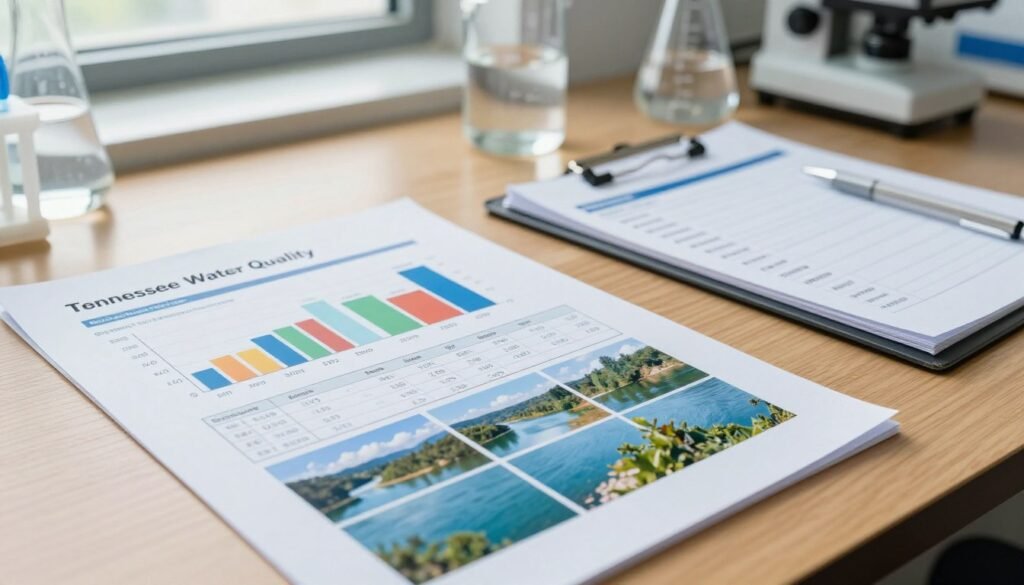
Regular testing is our first line of defense against contamination. It checks for harmful bacteria, chemicals, and heavy metals. Every TN water quality report shows what’s in your water, keeping you informed.
Testing also builds essential public trust. When utilities share data, they show they care about community health. This openness means any safety issues are caught and fixed fast.
“Water quality is not a static achievement but a continuous process of vigilance, science, and public accountability.”
The state has strict TN water testing requirements for public utilities. These rules tell them how often to test and what to test for. This keeps their systems safe and in line with laws.
Technicians use advanced tools like the TN-SWAPyT method to check water sources. This method spots risks like runoff or industrial activity. Then, samples are analyzed in labs to make sure the water is safe.
| Contaminant Category | Testing Frequency | Primary Goal |
|---|---|---|
| Microbiological | Daily/Weekly | Eliminate pathogens |
| Inorganic Chemicals | Annually | Monitor heavy metals |
| Organic Compounds | Quarterly | Detect industrial runoff |
| Physical Parameters | Continuous | Ensure clarity and taste |
Following these TN water testing requirements is a big job. It needs special equipment and experts. The results are in a detailed TN water quality report for everyone to see. This cycle keeps Tennessee’s water safe and reliable for all.
In recent years, Tennessee has made big strides in managing its water. State officials and local leaders have updated infrastructure and monitoring tools. By looking at Tennessee water pollution data, we see the good results of these efforts.
Counties across Tennessee have started community projects to protect watersheds. These efforts include fixing stream banks and cutting down on runoff from farms. Local residents are key by joining clean-up events and learning workshops.
These projects have brought many benefits to our communities:
New tech has changed how we watch and clean our water. Modern plants use sensors to find pollutants quickly. This move to smart technology keeps water quality good, even in tough weather.
The table below shows how these tech upgrades have improved systems:
| Improvement Area | Old Method | Modern Solution |
|---|---|---|
| Monitoring | Manual Sampling | Automated Sensors |
| Filtration | Basic Sand Filters | Advanced Membrane Systems |
| Data Analysis | Paper Records | Digital Cloud Tracking |
Looking at the latest Tennessee water pollution data, it’s clear these investments are paying off. We’re seeing fewer quality problems, which makes families feel safer. This dedication to new ideas means our water will stay safe for years to come.
Tennessee has made big strides in clean water, but there’s more to do. Keeping water safe for everyone is a big job. It needs us to stay alert and fix problems before they start.
Many of our water pipes and treatment plants are old. They can break down and let in harmful stuff. Fixing these old systems is key to keeping our water safe.
It’s a big job to update these systems. It takes a lot of money and planning. But it’s needed to stop water pollution in Tennessee.
Weather changes are making water treatment harder. Heavy rains can pollute our water sources. Adapting to these changes is important to keep our water clean.
Water quality agencies in Tennessee are working hard. They watch our water sources closely. This helps us stay safe from climate change.
| Challenge Type | Primary Risk | Mitigation Strategy |
|---|---|---|
| Aging Pipes | Structural Leaks | System Replacement |
| Extreme Weather | Increased Runoff | Advanced Filtration |
| Facility Age | Reduced Efficiency | Technological Upgrades |
You play a key role in keeping your family safe by staying informed about your tap water. Knowing your local water supply is the first step. It helps you understand your home’s specific needs.
Many homeowners choose to install the best water filtration systems in TN. These systems add an extra layer of protection. They remove particles or improve the taste of your water at the kitchen sink.
It’s important to research different models. This ensures you pick a system that meets your household’s needs.
Keeping up with your local water quality is easy. You can read the water quality report for your area. This report shows if your provider meets safety standards.
These documents are clear about lead, copper, and other substances in your pipes. Knowing about TN water testing requirements helps you understand these reports. If you have questions, contact your local utility provider.
Your involvement helps keep our community’s water supply safe for all.
← Drinking Water Quality by State — see how all 50 states are rated on our 5-factor composite methodology covering PFAS, lead, violations, disinfection byproducts, and infrastructure.
If your home uses a private well, your water is exempt from federal testing requirements and may contain contaminants not covered by municipal reports. See our comprehensive review: Best Water Filters for Well Water in 2026 (Iron, Sulfur & PFAS).
If you travel through this state by RV or spend time at campgrounds, water quality can vary significantly regardless of the state’s overall rating. Campground and hookup water is not always tested to the same standards as municipal supplies. See our guide: Best RV Water Filter Systems in 2026 (Compact, No-Plumber Install).