
Beautiful Plants For Your Interior

Get the facts on Mississippi's drinking water quality and uncover the steps you can take to ensure clean, safe water.
Did you know that nearly 15% of Americans rely on private wells? These wells often lack the strict oversight of municipal systems. For many families, the safety of their tap supply is a top priority. Yet, the complexities of local infrastructure can feel overwhelming.
Some links below are affiliate links. If you buy through them we may earn a commission at no extra cost to you. See our Affiliate Disclosure.
Understanding Mississippi drinking water quality is key for every resident. It’s essential for protecting household health.
Navigating the regulatory landscape doesn’t have to be hard. By learning about public and private systems, you can make informed choices. Taking proactive steps ensures your home is a safe haven for your loved ones.
Ever wondered who watches over your tap water? Keeping Mississippi drinking water quality safe is a team effort. It involves national and local teams working together. They follow strict rules to keep harmful stuff out of your water.
The Safe Drinking Water Act of 1974 is our safety net. It lets the EPA set water quality standards for drinking water. These EPA regulations set limits to keep us safe nationwide.
The EPA checks for many pollutants, from chemicals to biological threats. These limits ensure every state has a safety baseline. This law protects everyone’s health.
While the feds set the rules, Mississippi’s State Department of Health (MSDH) enforces them locally. They make sure water systems follow all laws. This teamwork keeps our water safe everywhere.
The MSDH tests and inspects water regularly. If water doesn’t meet standards, they take action. This local effort is key to keeping our water quality high.
| Regulatory Body | Primary Responsibility | Scope of Authority |
|---|---|---|
| EPA | Sets national limits | Federal/National |
| MSDH | Enforces local compliance | Statewide |
| Local Utilities | Daily operations | Municipal/District |
Knowing about EPA regulations helps you understand water safety. When you know who’s watching, you can trust your water more. Being informed helps you fight for better health in your area.
It’s key to know where contamination sources come from to keep drinking water safe in Mississippi. Many public systems try their best to give us clean water. But, there are biological and chemical threats that can get into our water. Knowing about these risks helps us make smart choices about our water at home.
Biological pathogens, like coliform bacteria, are a big worry for those using private wells. These germs can get into the water if the well isn’t built right or is damaged. Proper maintenance is key to keep these tiny threats out of your water.
Heavy metals can get into our water from natural sources and old pipes. Lead can seep into water through old pipes or solder. Arsenic is naturally found in some groundwater. It’s important to follow water quality standards to keep it safe.
Mississippi’s farms can make water quality tricky. Rain can carry pesticides and fertilizers from fields into streams and groundwater. Nitrates are a big contamination source that local authorities need to watch closely to keep us safe.
| Contaminant Type | Primary Source | Potential Risk |
|---|---|---|
| Coliform Bacteria | Faulty well construction | Gastrointestinal illness |
| Lead | Aging home plumbing | Developmental issues |
| Nitrates | Agricultural runoff | Oxygen transport interference |
| Arsenic | Natural soil deposits | Long-term health concerns |
Being aware of these pollutants helps us fight for our safety. Always check your annual water quality report. This shows if your local provider meets water quality standards.
Every glass of water you drink comes from a complex system. It starts at a source like a river or a deep well. Then, it goes through many steps to make it safe for you to drink. This is a big job for local water providers.
Public water systems use different treatment methods to clean the water. These steps are set by EPA regulations to keep the water safe. The main steps are coagulation, sedimentation, filtration, and disinfection.
First, chemicals are added to the water to catch dirt and particles. These particles settle at the bottom of a tank. Then, the clearer water goes through filtration. Last, disinfection kills any bacteria or viruses, making the water safe for your home.
| Treatment Stage | Primary Function | Key Benefit |
|---|---|---|
| Coagulation | Binding particles | Removes cloudiness |
| Filtration | Physical screening | Removes sediment |
| Disinfection | Killing pathogens | Ensures safety |
Local water utilities are key to public health in Mississippi. They serve areas with at least 15 connections or 25 people for 60 days. These utilities check the water quality and manage the network to your tap.
They test the water often to make sure it meets all rules. By keeping the systems up, they make sure you have clean water. Their work stops contamination and keeps the water pressure right.
Many water systems face big problems because of old pipes. Over time, pipes can rust or leak, causing water loss or contamination. Fixing these problems needs ongoing investment and care.
Utilities are using new tech to find leaks and watch water flow. By fixing old pipes and using better treatment methods, they make the system stronger. Following EPA regulations is their main goal, so everyone gets good water.
Recent events in Mississippi have made safe drinking water a big topic. When local systems can’t provide clean water, families and kids suffer a lot. We need to invest in our water systems and watch them closely.
The Jackson situation shows how old pipes can be a big health risk. A judge has let a lawsuit go forward for about 1,000 kids with lead poisoning. They want the city and state health department to be held accountable.
This lawsuit shows the dangers of contamination sources in old pipes. It’s clear we need to fix and maintain our pipes to keep water safe for everyone.
The Flint crisis in Michigan shows what happens when EPA regulations are ignored. Like Mississippi, Flint’s problems came from old pipes and bad decisions. We’ve learned that being open and quick to act is key when water quality is bad.
Good management means knowing about contamination sources and being open. By following EPA regulations, utilities can avoid big health problems. Here’s what we need to do to keep our water safe.
| Focus Area | Infrastructure Need | Regulatory Goal |
|---|---|---|
| Lead Mitigation | Pipe Replacement | Compliance Monitoring |
| Water Treatment | System Upgrades | Safety Standards |
| Public Health | Community Testing | Transparent Reporting |
Controlling your water quality begins with water testing procedures. Whether you get your water from a city supply or a well, knowing what’s in it is key. Regular checks help spot dangers early, keeping you and your family safe.
Many people start with home test kits from local stores. These kits are convenient and check basic things like pH and chlorine levels. But, they can’t find trace amounts of heavy metals or complex chemicals.
While these kits are a good first step, they’re not enough. If they show odd results, you need more detailed water testing procedures. Remember, a simple test doesn’t mean your water is safe from all dangers.
For a precise check, professional lab tests are best. If you have a private well, getting your water tested is critical. Testing your well water and understanding bacteriological analyses is essential. Professional water testing procedures give you detailed reports that DIY kits can’t.
In Mississippi, private well owners get special help. You can reach out to the MSDH Division of On-Site Wastewater for a visit. They’ll do professional sampling, giving you reliable data for your home’s water needs.
The link between the water we drink and our health is stronger than many think. When contaminants get into our water, they can cause big health risks. Keeping water quality high is key for everyone’s safety.
Drinking water with heavy metals or chemicals can harm us over time. For example, long-term exposure to lead or arsenic can hurt our development and organs. It’s scary how these dangers can hide in our water without warning.
Biological contaminants are a big risk too. Finding E. coli in water is hazardous and needs quick action to avoid serious stomach problems. Not acting fast can turn a small problem into a big health risk for your family.
Some people are more at risk from bad water quality. Kids are vulnerable because their bodies are growing and can’t handle toxins well. The elderly and those with weak immune systems also face big risks from contaminated water.
These groups need extra care to stay safe. By following strict water quality standards, we can protect them. Taking action now helps keep our community healthy for the future.
To keep your tap water clean, you need the right tech and care. Municipal systems do their best, but homeowners can do more. Learning about treatment methods adds a vital layer of protection for your family.
Choosing the right filter is key. It depends on the impurities in your water. Many use point-of-use systems like reverse osmosis or activated carbon filters. Make sure your filter is certified by independent groups.
“The most effective way to guarantee water safety is to combine regular testing with a filtration system tailored to your specific water profile.”
Don’t forget to replace filter cartridges on time. Skipping this can lead to bacterial growth. Keeping a log of your filter changes helps you stay on track.
Even clean water can be tainted by old or damaged plumbing. Look for contamination sources like old lead pipes or corroded fixtures. If you have a private well, check the well cap and casing regularly.
Well owners should act fast if they suspect contamination. Identify the source, chlorinate the well, and take more samples. Regular checks by a licensed plumber can also help prevent contamination.
| Technology | Best For | Maintenance Frequency |
|---|---|---|
| Activated Carbon | Chlorine and Odors | Every 3-6 Months |
| Reverse Osmosis | Heavy Metals/Lead | Every 6-12 Months |
| UV Purification | Bacteria and Viruses | Annual Bulb Change |
Being proactive reduces the risk of harmful substances. Regular checks and maintenance keep your home safe from water quality issues. Start these small steps today for long-term peace of mind.
Understanding local support systems is key to tackling water quality issues. You don’t have to face water problems alone. Many organizations are ready to help you tackle these challenges.
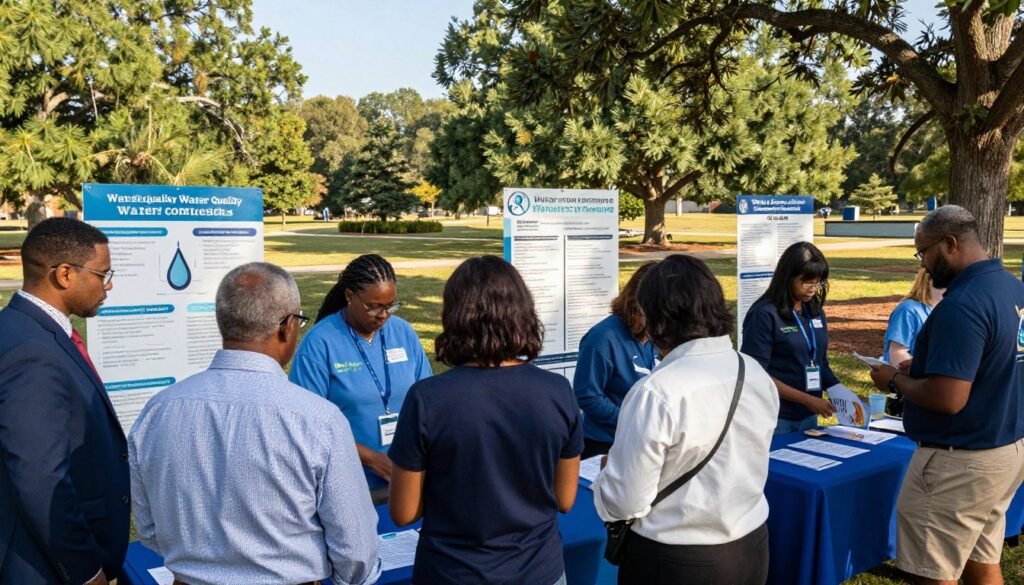
Your local water board is your go-to for utility concerns. They keep the water infrastructure running and ensure it’s safe. By getting involved, you can stay updated on projects and service changes.
Advocacy groups like the Mississippi Sierra Club also play a big role. They help protect Mississippi’s water. These groups let you share your concerns and work with others to push for better water services.
“Public participation is the heartbeat of a healthy democracy, specially when it comes to clean, safe drinking water for every family.”
If you think your water is contaminated, act fast. Start by documenting any changes in color, smell, or taste. Then, follow water testing procedures to check for harmful substances.
After you’ve collected your data, use the table below to find the right place to report it.
| Reporting Channel | Primary Responsibility | Best For |
|---|---|---|
| Local Utility Provider | Immediate service repairs | Visible leaks or pipe bursts |
| MS Dept. of Health | Regulatory compliance | Violations of safety standards |
| Environmental Advocacy Groups | Public awareness | Long-term policy changes |
Keep a record of your talks with these agencies. Clear documentation shows your concerns are taken seriously. It also helps track any needed repairs or investigations. By being proactive, you help make your community safer.
Knowing about your water is key to keeping your family safe. By being proactive, you can spot risks early. Staying informed helps you make smart choices about your water.
Official sites give you the latest on your water’s safety. The Mississippi State Department of Health (MSDH) has a detailed database of water reports. Check their site often for updates on Consumer Confidence Reports (CCR) in your area.
The Environmental Protection Agency (EPA) also has tools to track water safety. They show the water testing procedures followed by utilities. Knowing this helps you understand what’s in your water.
Getting involved can shape local water policies. Utility boards hold meetings where you can share concerns. These community outreach efforts are key for keeping things open.
Visit your local government website to find meeting times. Going to these meetings lets you talk directly to water officials. You can ask about water testing procedures and push for more openness. Your input helps keep public health a priority.
Teaching people about water safety makes our community stronger. When we know how water gets to our taps, we take better care of it. Knowledge is truly the first step to keeping everyone safe.
Schools are key in teaching kids about water quality. They use science to show how water gets from sources to our homes. These lessons cover the various treatment methods that clean the water.
Community workshops also teach adults about water safety. They talk about health risks from old water systems. By going to these workshops, people can help push for better water in their towns.
Public awareness campaigns connect complex info to our daily lives. They make it simple for families to see why water testing is key. Clear communication helps everyone know how to keep their water clean.
Good campaigns also highlight the health risks from bad water systems. When people know, they support clean water policies. Learning about treatment methods helps us make smart choices about water at home.
A well-informed public is our best defense against water problems. By getting involved and talking about it, we can ensure a safer future for Mississippi. Education remains our most powerful tool for change.
Our drinking water quality is tied to the health of local wetlands and stable climate patterns. When these ecosystems thrive, they protect our water from contamination. Ignoring these connections can lead to health risks for Mississippi residents.
Wetlands act like the kidneys of our landscape, filtering pollutants from runoff. They trap sediment and absorb excess nutrients, preventing harmful algae blooms. This keeps the water cleaner for our treatment plants.
Keeping these habitats intact is vital for public health. When wetlands are lost, natural filtration disappears. This forces utilities to use more chemicals to clean the water.
Changing weather patterns pose new challenges for water security. Extreme rainfall can overwhelm drainage systems, contaminating groundwater. Droughts can concentrate pollutants, raising health risks for well users.
Warmer water speeds up bacterial and pathogen growth. This makes it harder to keep water safe. We must adapt our infrastructure to these changes for sustainability.
| Environmental Factor | Impact on Water Quality | Mitigation Strategy |
|---|---|---|
| Wetland Loss | Increased sediment and pollutants | Habitat restoration |
| Extreme Rainfall | Runoff contamination | Improved drainage design |
| Prolonged Drought | Higher contaminant concentration | Groundwater monitoring |
| Rising Temperatures | Bacterial growth | Enhanced treatment protocols |
Protecting our natural resources is a job for everyone in Mississippi. To improve drinking water quality, we need people who care about their environment. Their active participation is key.
Public engagement is the foundation for real change. Community outreach efforts connect government with the people. You can help by going to town hall meetings or joining water advocacy groups.
Talking to neighbors can spread awareness fast. When people know their rights, they can push for better service. Your voice helps make policies that protect our water.
Improving infrastructure is a big goal for state leaders and private companies. New tech will find leaks and contaminants early. These efforts aim to give reliable water to every home.
Knowing about infrastructure updates helps you prepare for changes. Together, we can create a healthier future by watching over our water sources. Your effort ensures clean water for all families in Mississippi.
← Drinking Water Quality by State — see how all 50 states are rated on our 5-factor composite methodology covering PFAS, lead, violations, disinfection byproducts, and infrastructure.
If your home uses a private well, your water is exempt from federal testing requirements and may contain contaminants not covered by municipal reports. See our comprehensive review: Best Water Filters for Well Water in 2026 (Iron, Sulfur & PFAS).