
Beautiful Plants For Your Interior

Get the scoop on North Dakota tap water quality and uncover the best ways to maintain high-quality drinking water.
Did you know over 60% of what we drink in the U.S. comes from underground aquifers? In the Great Plains, people use a mix of surface water and deep wells to keep their homes running. This ensures they have water when they need it.
Some links below are affiliate links. If you buy through them we may earn a commission at no extra cost to you. See our Affiliate Disclosure.
Knowing about your North Dakota tap water quality is key for homeowners. The water supply changes based on where you live and what people do. By understanding how this works, you can take proactive steps to keep your family’s water clean and fresh every day.
North Dakota’s water comes from deep underground and the mighty Missouri River. People across the state use a network of natural resources for water. Access to clean, reliable water is key for both cities and rural areas.
The state gets its water mainly from two sources: surface water and groundwater. Surface water includes lakes, rivers, and reservoirs. Groundwater comes from deep wells in ancient formations called aquifers.
These aquifers are a vital lifeline for rural areas without easy access to surface water. Using both sources, the state ensures water for even the most remote places. Managing these resources is vital for the future.
It’s important to know the differences between these sources. Surface water can change with weather and runoff. Groundwater is protected by soil and rock, but it’s not safe from all threats.
One big worry is groundwater contamination in North Dakota. Pollutants can reach underground water. Keeping an eye on these levels is essential for safe drinking water.
The Missouri River is a major water source for many. It supplies water to big cities like Bismarck and Mandan. This river supports homes and businesses.
Because so many rely on it, the state works hard to keep the river clean. Regular tests and careful watching ensure the water is safe. The river is vital for the state’s growth and economy.
Ever wonder if the water from your faucet is safe to drink? It’s thanks to a system of drinking water regulations that covers every home. This system is a team effort between the federal government and local groups to keep water safe.
The Environmental Protection Agency (EPA) is key in keeping us safe. They set Maximum Contaminant Levels (MCLs), the legal limits for certain water substances. These limits help reduce health risks in public water systems everywhere.
The EPA’s strict benchmarks make sure water providers follow the same rules. Public water systems must check their water regularly to meet these federal standards. This helps keep communities safe.
North Dakota also plays a big role in managing its water. The state works with federal rules to keep safe drinking water levels consistent. Local officials adjust these EPA water quality guidelines to fit the state’s unique challenges.
This local effort helps make municipal water quality standards better for North Dakota people. By combining federal knowledge with state action, the system is strong against contamination. People can trust that their water is clean and reliable thanks to these efforts.
It’s important to know what’s in your water, whether it comes from a city supply or a private well. Keeping North Dakota tap water quality high is a team effort. By staying informed, you can make sure your water is clean and safe to drink.
Municipal water systems must test their water often to meet state and federal standards. They test for many contaminants daily, weekly, or monthly. But, if you have a private well, you’re on your own for testing.
Experts say private well owners should test their water yearly for bacteria and nitrates. It’s also good to do a full test every few years for heavy metals or minerals. This helps keep your home safe from water problems.
| Water Source | Testing Responsibility | Frequency |
|---|---|---|
| Municipal System | Public Utility | Continuous/Annual |
| Private Well | Homeowner | Annually/As Needed |
| Shared Well | Well Owners | Annually |
Even with good systems, some substances can get into your water. Nitrates often come from farm runoff, and coliform bacteria can mean a well problem. Iron or manganese might cause stains or bad tastes, but they’re usually not health risks.
“Regular testing is the most effective way to gain insight into the safety of your home’s water supply. It empowers residents to make informed decisions about their health.”
When you get a North Dakota water quality report, it might seem hard to understand. These reports, or Consumer Confidence Reports, show what contaminants are in your water. Look for the “Maximum Contaminant Level” (MCL) to see if it’s safe.
If you own a private well, you’ll get a lab report instead. If you’re unsure about the numbers, ask the lab staff. Knowing what’s in your water helps you decide if you need a water filter.
North Dakota has strict rules to make sure every tap has clean water. This system uses a team effort between state agencies and local water plants. By following strict drinking water regulations, the state keeps us healthy and the water system strong.
Our water safety comes from municipal water quality standards. These rules tell us how to get, treat, and check the water before it gets to our homes. Local water plants must follow these rules to keep our water quality high.
Following these rules is a must for all public water systems. They must test their water often to show it meets state and federal standards. This makes sure we trust the people who take care of our water.
The North Dakota Department of Environmental Quality (DEQ) is in charge of these important tasks. They work with water treatment plants in North Dakota to make sure they work well. They watch over the plants and help the local teams.
The table below shows what state agencies and local providers do to keep water quality high:
| Agency/Entity | Primary Responsibility | Focus Area |
|---|---|---|
| DEQ | Regulatory Enforcement | Compliance Monitoring |
| Local Municipalities | Daily Operations | Water Distribution |
| Treatment Plants | Purification | Contaminant Removal |
By working together, the state makes sure drinking water regulations are always followed. This teamwork helps keep our environment and people healthy. Thanks to this careful watch, we keep our municipal water quality standards strong across the state.
The unique geology and vast agricultural landscape of our state play a big role in water quality issues. Most municipal systems provide safe drinking water. But, residents often face specific challenges from the natural environment. Knowing these factors helps keep your home water supply in great shape.
Hard water is a common problem for homeowners in the state. It happens because of high levels of naturally occurring calcium and magnesium minerals in the water.
These minerals cause several issues at home:
Some areas face specific substances that need careful monitoring. While public water systems are strictly regulated, groundwater contamination in North Dakota can happen in private wells. This is due to local geological formations.
“Water quality is a dynamic reflection of the land it travels through, requiring constant vigilance and testing to ensure safety for all residents.”
Some areas may have higher levels of naturally occurring arsenic or other minerals. It’s crucial for private well owners to test their water regularly. This helps identify risks early. Knowing your local water report is key to protecting your family’s health.
Water quality changes throughout the year. Spring snowmelt and increased rain can significantly alter surface water sources.
These changes can affect taste, odor, or clarity. Municipal treatment facilities handle these changes well. But, knowing about these patterns helps residents understand why their tap water might change during certain months.
Farming is a big deal in North Dakota, bringing in money and jobs. But it also affects the water we drink. We need to manage our land well to keep our water safe for the future.
Nutrients from farms can pollute our water. Agricultural fertilizers and big farms are the main culprits. Rain or irrigation can carry these nutrients into the soil and then into our water.
Nitrate contamination is hard to fix once it’s in our water. Livestock farms also need to manage their waste to stop it from polluting nearby water. Keeping our water clean is a big task.
Many farmers are using sustainable agricultural techniques to protect the environment. They use precision farming to apply fertilizers wisely. This reduces the chance of chemicals getting into our water.
The state and farmers are working together to improve land use. They’re focusing on:
This teamwork aims to keep North Dakota’s economy strong while keeping our water clean. These efforts help us enjoy clean, safe water for years to come.
Improving your home’s water quality is a smart move for your family’s health. Even though city water is treated well, you might want more. You could want better-tasting coffee or to remove certain minerals. There’s a solution for you.
Getting a filtration system is a top choice for better water. Reverse osmosis systems are great because they remove lots of bad stuff. They filter out:
Many homes in the area have hard water. This means high levels of calcium and magnesium. These can clog pipes and make appliances less efficient. Water softeners fix this by swapping hard minerals for sodium or potassium.
Soft water protects your pipes and makes cleaning better. It also makes your skin softer and clothes cleaner. Many people choose this for these benefits.
Even top-notch gear needs regular care. Follow the maker’s guide for replacing filters and membranes. Regular maintenance keeps your system safe and effective for years.
Also, test your water often to check if your system is working right. If your water tastes, smells, or looks different, it might be time for a new filter. Knowing your water quality is key to a healthy home.
Keeping our water safe needs smart plans and community help. As the state grows, using water wisely is key. Together, we can keep water for our kids and grandkids.
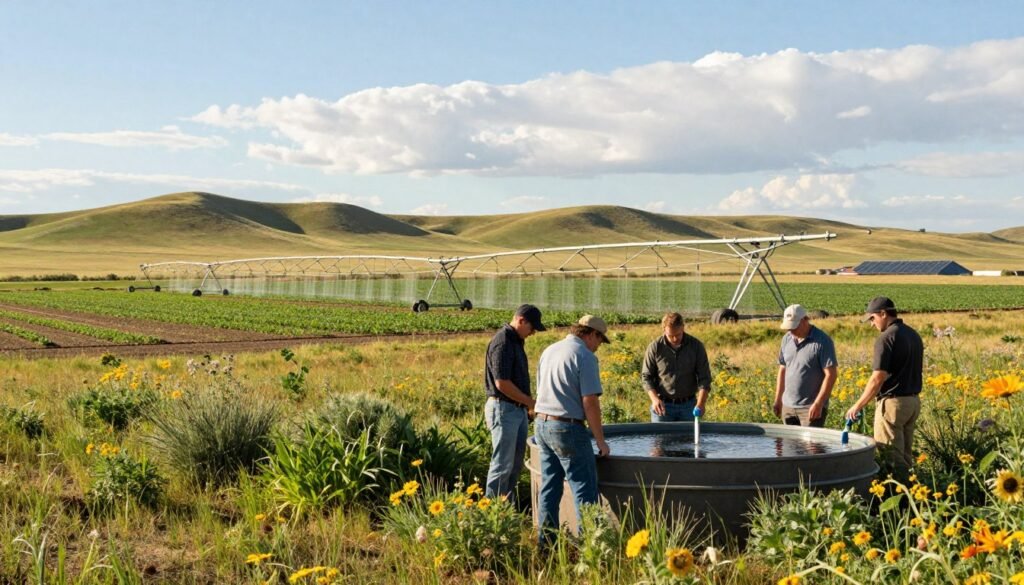
The state is working hard to save our water. The High Plains Aquifer is a big concern. Officials aim to meet farming needs while keeping groundwater healthy.
They focus on checking water use and promoting smart irrigation. The state helps farmers and businesses use water better. Keeping underground water safe is key for our economy’s future.
Local groups are key to saving water. Towns in North Dakota teach people how to use less water. They offer classes on water-saving gardening and installing low-flow fixtures.
“Water is the driving force of all nature, and our collective efforts today will define the health of our landscape tomorrow.”
Community events and awareness days help everyone feel responsible. Working together to protect water sources makes a big difference. Active engagement is the heart of our water-saving efforts.
Changing our daily habits helps save water. Fixing leaks and choosing water-saving plants are big steps. These actions help our water systems last longer.
Sustainability means saving water for the future. By being efficient, we protect our environment. Every drop saved helps North Dakota thrive.
Keeping North Dakota’s water clean starts with you. It’s a shared responsibility for all of us. By changing our daily habits, we can keep our lakes, rivers, and groundwater safe.
Getting involved in local clean-up efforts is key. Many towns have seasonal clean-up days where people help remove trash. This stops trash from turning into harmful microplastics in our water.
You can also help local watershed groups. They check stream health and push for conservation. Joining these efforts builds a strong community spirit.
What you do at home matters a lot. Properly handling household chemicals is key. Don’t throw away hazardous materials down the drain. Instead, use local collection programs.
If you have a private well, regular maintenance is essential. This includes checking it often and using shock chlorination when needed. Also, keep your septic system in good shape to avoid pollution.
By doing these simple things, you help keep our water clean for the future. Personal accountability is vital for a sustainable North Dakota. Every action you take makes a difference.
Keeping your family safe means knowing the risks in your tap water. Most public systems are safe, but knowing about safe drinking water levels is key. Being ahead of the game helps you avoid health problems.
Water quality can change due to many factors. It’s important to follow EPA water quality guidelines. If contaminants are too high, they can cause serious health issues.
Nitrates in water are very dangerous for babies. They can stop blood from carrying oxygen. This is called “blue baby syndrome.” It’s why testing water regularly is so important. Heavy metals like lead can also get into pipes, as explained in this guide on household water systems.
Some groups face bigger risks from bad water quality. Infants, the elderly, and people with weak immune systems are very vulnerable. Their bodies can’t handle water contaminants as well.
If you or a family member has health issues, watch your water closely. Simple steps like using a certified filter can give you peace of mind. Always put your health first by staying updated on local water reports and safety rules.
Finding out about water quality is easier with the right resources. Whether you’re interested in your city’s water or your well, you can get the info you need. Checking a North Dakota water quality report is the best way to know if your water is safe.
The North Dakota Department of Environmental Quality is your go-to for water data. Visit their website at deq.nd.gov/wq/1_groundwater/ for lots of resources. These tools help you understand your water’s chemical makeup and what it means for your home.
For more help, local health units are great resources. They offer advice on keeping your water safe and can point you to labs for testing. Here are some groups to consider:
If you have questions or notice a change in your water, reach out to experts. Talking to state officials quickly can prevent big health problems. Always remember to:
“Proactive communication with environmental agencies is the most effective way to protect your community’s water resources.”
You can contact the Department of Environmental Quality online or by phone. Their team is ready to help you understand complex data and offer advice for your situation.
The future of our state depends on new ideas and a focus on health. Leaders are working on long-term plans. They want to make sure everyone has access to clean water for years to come.
State officials are putting a lot of money into updating water treatment plants. These new systems can catch more harmful substances. Thanks to new technology, North Dakota’s tap water stays top-notch.
They’re also planning to keep our water sources safe for the long run. Scientists are exploring new ways to clean water that work with changing environments. These steps help protect our communities from future dangers.
It’s important to stay updated on these efforts. Look at your local water reports to see what’s happening in your area. Your support helps keep our water safe and clean for everyone.
← Drinking Water Quality by State — see how all 50 states are rated on our 5-factor composite methodology covering PFAS, lead, violations, disinfection byproducts, and infrastructure.
For households in remote or rural areas where centralized treatment is limited, multi-stage countertop and gravity systems offer an effective solution. See our guide: Best Countertop Water Filters for Off-Grid Homes (2026).