
Beautiful Plants For Your Interior

Discover the truth about Kansas tap water quality in this informative listicle. Learn the key facts about Kansas tap water quality.
Did you know the average person drinks over 1,800 gallons of fluid each year? With such a high amount, it’s critical to know what comes out of your faucet is safe. Knowing about Kansas tap water quality is key to keeping your family healthy.
Some links below are affiliate links. If you buy through them we may earn a commission at no extra cost to you. See our Affiliate Disclosure.
Local water utilities try to meet federal standards, but many people wonder about the difference between these rules and stricter health guidelines. Groups that advocate for health often say just meeting the minimum isn’t enough. Looking at our old water systems helps us understand how they keep us safe.
Being informed helps you make smarter hydration choices every day. Whether you use city water or add filters, knowing what you’re drinking is important for peace of mind.
When you turn on the faucet, you expect clean water. But what does that really mean for your home? Water quality is about the chemical, physical, and biological traits of your water. It shows if the water is good for drinking, cooking, or bathing.
To check the water quality in Kansas, we look at federal rules and independent studies. Utilities follow strict rules, but scientists might suggest safer levels.
Water quality is tested for substances that could harm your health. Federal agencies set limits for these contaminants. But, independent researchers say these limits might not always be safe for long-term use.
Just because water meets a standard doesn’t mean it’s completely clean. It means the levels are within legal limits.
Several factors show if your water is safe. These indicators give a quick look at your water’s health.
| Indicator | What It Measures | Why It Matters |
|---|---|---|
| pH Levels | Acidity or alkalinity | Prevents pipe corrosion |
| Turbidity | Cloudiness of water | Indicates possible bacteria |
| Chlorine | Disinfectant levels | Keeps microbes away |
| Total Dissolved Solids | Mineral content | Affects taste and hardness |
Keeping water quality in Kansas high is a big job for local utilities. Almost all 870 water utilities in the state found contaminants above safe levels, according to the Environmental Working Group.
These contaminants can be minerals or chemicals from farming. Staying informed about your water report helps you know what’s in your water. Knowing this helps you make better choices for your health.
Knowing where your tap water comes from is key to understanding the effort behind water quality in Kansas. The state uses a variety of natural resources to meet its growing needs. This balance ensures a steady supply for homes and businesses.
Kansas gets its water from two main sources: surface water and groundwater. Surface water comes from lakes, reservoirs, and rivers. Groundwater is pumped from deep underground, called aquifers.
The type of water source affects how it’s treated. Surface water needs more filtering because it’s exposed to the environment. Groundwater, while more protected, can have higher levels of minerals that affect water quality in Kansas.
“Water is the driving force of all nature, and in Kansas, our management of these precious resources defines our future sustainability.”
Major rivers are vital for many water systems in Kansas. The Kansas River and the Arkansas River are key for public supply. They are where water is taken, treated, and distributed to thousands.
These rivers face seasonal changes and agricultural impacts. Water treatment facilities monitor these changes closely. They work hard to keep the water safe and meet health standards before it reaches your tap.
Groundwater is a critical backup and main source for many rural areas. The Ogallala Aquifer in western Kansas is a major underground reservoir. It’s vital for farming and drinking water.
It’s important to protect these aquifers for long-term water quality in Kansas. As communities rely more on these wells, managing them sustainably is key. This ensures a reliable water supply for future generations.
Ever wonder who makes sure your tap water is safe every day? A strong set of laws works behind the scenes to protect you. This system combines national rules and state actions to keep tap water safety Kansas residents can rely on.
The Safe Drinking Water Act is the backbone of water protection in the U.S. It sets strict limits on contaminants in public water systems. This ensures every community gets the same level of protection.
These rules require regular tests for harmful substances like bacteria and chemicals. When new research comes in, the standards get updated. This keeps Kansas water quality standards high across the state.
The Kansas Department of Health and Environment (KDHE) enforces these laws. They connect federal rules to local actions. By checking water systems, the KDHE makes sure Kansas water quality regulations are met.
The agency helps local utilities with technical support and oversight. If a system can’t meet safety goals, the KDHE offers guidance. Their efforts are key to keeping our water clean and reliable.
Local water utilities are responsible for delivering safe water to your home. They must test water regularly and report to the state. If a system can’t meet safety levels, they must tell the public right away.
Being open is important in this process. People have the right to know about their water quality through annual reports. The table below shows how local providers are overseen.
| Regulatory Step | Responsible Party | Primary Goal |
|---|---|---|
| Routine Monitoring | Local Utility | Detect Contaminants |
| Data Reporting | Local Utility | Ensure Transparency |
| Compliance Audit | KDHE | Verify Safety Standards |
| Public Notification | Local Utility | Inform Consumers |
In Kansas, every glass of water goes through a detailed process. This process is key to keeping tap water safety Kansas residents trust. Local teams watch over our water closely, making sure it meets high health standards.
Water utilities in Kansas test water often, not just once in a while. They do many tests all year to spot problems early. This consistent schedule is vital for a safe drinking water supply.
Big cities and small towns alike focus on regular Kansas water testing. These tests help them act fast if water quality changes. You can be sure your local team is always working to keep the water safe.
Testing covers many areas to check for risks. Utilities look for harmful microorganisms and check chemical levels. They make sure everything stays within legal safety limits.
Many systems also test for things not regulated yet. This helps them find and fix issues before they get worse. Kansas water providers stay alert to protect public health.
Being open is important for water providers and the public. Every year, water systems give out Consumer Confidence Reports. These reports show what the water tests found and how it compares to federal standards.
These reports explain what’s in the water and if it meets standards. If you have questions about tap water safety Kansas, check these reports online or ask your utility. Knowing what’s in your water helps you feel sure about what you drink.
Every resident in Kansas should know about tap water concerns. Public systems work hard to keep water safe. But, many families wonder about minerals and chemicals in their water. Looking at a recent Kansas drinking water report can help answer these questions and give peace of mind.
In many parts of Kansas, you’ll find hard water. It has lots of dissolved minerals like calcium and magnesium. These minerals aren’t bad for your health but can be a problem at home. You might see white scale on faucets or find soap doesn’t lather well.
These minerals can also shorten the life of your appliances. Water heaters, dishwashers, and coffee makers work harder with high-mineral water. This can lead to repair costs.
Old plumbing can lead to worries about heavy metals, like lead. Even clean water can pick up contaminants on its way to your home. Check your local Kansas drinking water report to see if your utility has found any issues with old pipes.
Kansas’s rich farming history means runoff is a big topic. Also, water treatment can create byproducts. For example, 22 utilities in Kansas have found too much of a cancer-causing byproduct in their water.
| Concern Type | Primary Impact | Common Solution |
|---|---|---|
| Hard Water | Appliance wear and scale | Water Softener |
| Lead/Metals | Health risks | Pipe replacement/Filters |
| Disinfection Byproducts | Chemical exposure | Advanced filtration |
| Agricultural Runoff | Taste and safety | Carbon block filters |
Staying informed with your local Kansas drinking water report is key. Knowing what’s in your water lets you take steps to improve it. This way, your household can have the best water possible.
Many people find that the best tap water Kansas offers is right in their kitchen. Using tap water is a simple way to live sustainably and stay hydrated. It also helps make your community healthier and the environment cleaner.
Using tap water saves a lot of money. Bottled water is expensive because of packaging, marketing, and shipping. Tap water is much cheaper, saving families hundreds of dollars a year.
With tap water, you don’t need to buy bottled water as often. This financial freedom lets you spend money on other important things. It’s a smart way to save money while getting great water.
Single-use plastic bottles harm our environment. Choosing best tap water Kansas offers helps reduce plastic waste. Every glass of tap water means one less plastic bottle.
Living sustainably begins with our choices at home. Using tap water instead of bottled products saves energy and resources. It’s a small, meaningful step toward preserving our state’s beauty for the future.
Drinking enough water is key for energy, brain function, and health. Having clean water at home makes it easy to drink enough. You’re more likely to drink water instead of sugary drinks.
Drinking water regularly supports your body’s functions and keeps you feeling good. Whether at work or home, best tap water Kansas ensures you have healthy water. Drinking enough water is a simple habit that benefits your whole family’s health.
When it comes to the best tap water Kansas has to offer, it’s key to know what’s true and what’s not. Misinformation about water safety can cause a lot of worry. But, many places have water systems that meet or beat federal standards.
Some people think all tap water in Kansas is bad because of farm runoff. But, water treatment plants use top-notch filters and disinfectants. Rigorous testing makes sure your water is safe to drink.
Another myth is that bottled water is always better than tap. But, tap water is tested more often than many bottled waters. Sticking with your local water can save you money.
The Kansas Department of Health and Environment shows most public water systems follow the Safe Drinking Water Act. These reports are clear about water quality. They show that safe, quality water is the norm, not the exception. Many cities have won awards for their water quality.
Many people in Kansas are happy with their water. Adding a home filter can make tap water taste as good as expensive bottled water. By staying informed and checking local reports, you can trust that you’re getting some of the best tap water Kansas offers.
| Common Myth | The Reality | Impact on Consumers |
|---|---|---|
| Tap water is never safe | Systems meet federal standards | High confidence in safety |
| Bottled is always better | Tap is tested more often | Significant cost savings |
| All Kansas water is hard | Varies by local aquifer | Easy to manage with softeners |
Improving your daily water experience is easy with a few home adjustments. Municipal systems work hard to keep water safe. But, taking extra steps can give you peace of mind.
Whether you want better taste or to fix mineral issues, many solutions exist. These can greatly enhance your water quality.
Choosing the right filter depends on your needs and budget. Simple pitcher filters are great for removing chlorine taste and odors. They are a favorite among families.
For more complex contaminants, reverse osmosis filtration systems are effective. They remove nitrates well.
But, these systems can be prohibitively expensive for small towns or households. Before buying, get a professional Kansas water testing. This ensures you get a filter that targets your specific issues.
| Filter Type | Best For | Cost Level |
|---|---|---|
| Pitcher Filter | Taste and Odor | Low |
| Faucet Mount | Lead and Chlorine | Moderate |
| Reverse Osmosis | Nitrates and Minerals | High |
Your plumbing system is key to water quality. Over time, pipes can accumulate sediment or leach metals. Flushing your pipes regularly keeps water fresh and prevents mineral buildup.
If you have an older home, get a professional to check your plumbing for corrosion. Simple tasks like cleaning aerators on faucets can also help. These habits are important for maintaining water quality in your home.
Staying informed is the best way to protect your health. Every year, your local utility provider releases a Kansas drinking water report. This report details the results of their testing.
Reviewing this document helps you understand your water’s source and any detected substances. You can also check the Kansas water quality monitoring and assessment. This shows how the state manages water resources. Reading your Kansas drinking water report carefully helps you decide if you need extra home filtration.
Protecting our water is a team effort. Neighbors, leaders, and groups coming together makes a big difference. This teamwork keeps our water safe for the future.
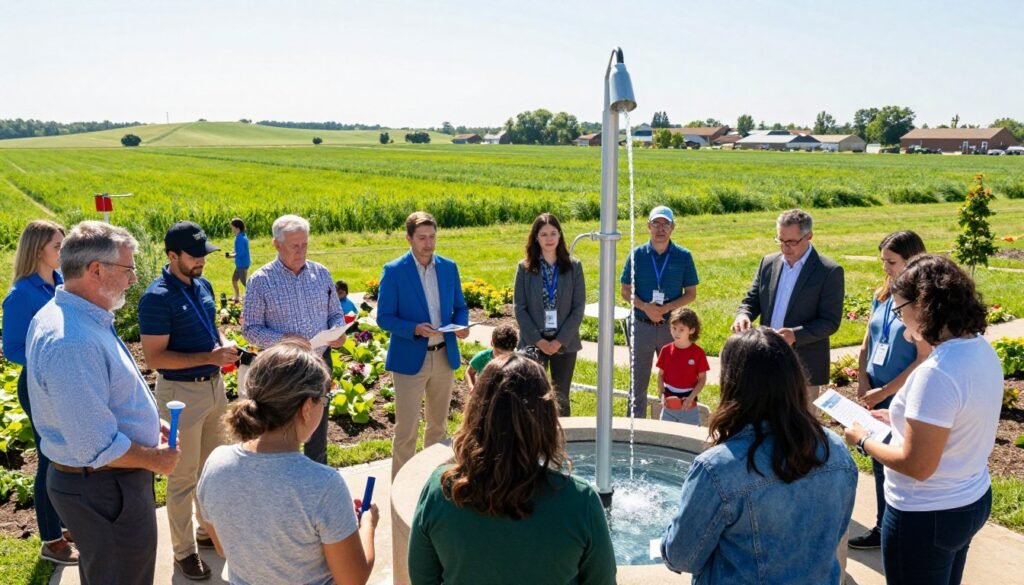
Local governments are upgrading old water systems. They replace old pipes and improve treatment plants. This follows Kansas water quality regulations to keep water clean.
Cities also protect the sources of our water. They keep land around rivers and aquifers clean from pollution. This shows their dedication to health and the environment.
Nonprofits connect science with public knowledge. They offer workshops and resources to understand water issues. The Central Plains Water and Health Symposium is a place for experts and citizens to talk about water.
Every person can make a difference. Small actions like fixing leaks or using efficient appliances help a lot. These actions contribute to clean water in Kansas.
Community engagement creates a caring culture. By attending meetings or joining groups, you can help. Small steps lead to a better future for Kansas.
The journey to clean water in Kansas combines new ideas and changes in laws. As science improves, we’re getting better at treating and checking our water. This means everyone in Kansas will have access to safe, dependable water.
Water treatment plants are now using advanced filters. These include nanofiltration and ultraviolet light disinfection. They catch tiny pollutants that old systems can’t.
By using these new tools, water companies can keep people safe from harmful chemicals. Investing in these technologies is a big step towards keeping our water safe. It shows how we’re improving our handling of this vital resource.
Lawmakers are working on new rules for water quality. They want to make sure Kansas water quality standards stay strong. This change is key to keeping our water safe for the future.
“The strength of our future depends on our ability to adapt our laws to the science of today, not the standards of yesterday.”
New rules will mean more tests and tighter limits on pollutants. This is a big step towards clean water in Kansas for years to come. People will see more checks and balances as these laws are put into action.
Keeping our water safe for the long run means using it wisely. We must protect our underground water and rivers. Sustainable water use helps us not use up more water than we can get back.
Efforts by local groups and smart farming practices are key. By balancing our needs with nature, Kansas can keep its water system strong. The choices we make today will shape the future of our water.
Understanding your home’s water is the first step. Kansas tap water quality is a big deal for local providers. They work hard to keep your water safe and reliable.
You have a big role in this. By staying informed and active, you help keep your water safe. Talk to your local water department to learn about your area.
The Kansas Department of Health and Environment has tools for you. Look at your Consumer Confidence Report each year. It shows what’s in your water and if it meets safety standards.
Check the Kansas Department of Health and Environment’s website for water reports. Many cities also have public meetings. Here, you can ask about water projects and share your concerns.
Your actions can make a big difference. By checking your water quality, you support a healthy environment. Simple steps like checking your plumbing or using filters can give you peace of mind.
← Drinking Water Quality by State — see how all 50 states are rated on our 5-factor composite methodology covering PFAS, lead, violations, disinfection byproducts, and infrastructure.
If your home uses a private well, your water is exempt from federal testing requirements and may contain contaminants not covered by municipal reports. See our comprehensive review: Best Water Filters for Well Water in 2026 (Iron, Sulfur & PFAS).
If your home uses a private well, test it annually — private wells have no federal testing requirement. See our complete guide: How to Test Your Well Water (2026).