
Beautiful Plants For Your Interior

Get the facts on North Carolina drinking water quality and uncover ways to protect your family's access to pure, safe water.
Did you know almost 98% of Americans have synthetic chemicals in their blood? These “forever chemicals” are a big worry for NC tap water safety. They don’t break down, so they keep building up in us.
Some links below are affiliate links. If you buy through them we may earn a commission at no extra cost to you. See our Affiliate Disclosure.
It’s important for everyone to know about our local water. By learning the facts, you can help keep your family safe. You can learn more about PFAS and how they affect our world.
Knowing about the latest testing methods is key. It makes sure your family has clean, safe water. We’re here to guide you through the complex world of water safety.
The importance of clean water in North Carolina goes beyond just staying hydrated. It’s a key to good health and well-being in our communities. Clean water helps families stay healthy and keeps our environment in balance.
Bad stuff in our water can cause serious health problems. Studies show that chemicals like PFAS can harm kids’ growth and health. Drinking polluted water over time can also increase cancer risks.
Keeping our water clean is more than a rule; it’s a critical step to protect our lives. By focusing on clean water, we help our healthcare system. This way, we can keep our communities healthy for the future.
Water quality also affects our state’s finances. When water is dirty, cities must spend a lot on special treatments. These costs add up and can hurt our wallets and local budgets.
Water quality also affects property values and economic growth. Places with clean water attract more businesses and keep home values high. Here’s how water quality affects our economy and health.
| Factor | Health Impact | Economic Impact |
|---|---|---|
| Contaminant Levels | Increased disease risk | Higher treatment costs |
| Infrastructure | Improved safety | Increased property value |
| Public Awareness | Better lifestyle choices | Lower public health spending |
North Carolina’s water sources range from mountain springs to coastal aquifers. People depend on a network of natural resources for their daily water needs. Knowing where this water comes from is key to keeping North Carolina drinking water quality high.
The state gets water from two main sources: groundwater and surface water. Groundwater comes from underground aquifers, mainly for rural homes and wells. Surface water, like rivers and lakes, feeds most city water systems.
Groundwater and surface water face different challenges. Surface water is more at risk from runoff. Groundwater can be tainted by deep-soil pollutants. It’s important to watch both to keep North Carolina drinking water quality safe.
Geography affects each region’s water supply challenges. The Piedmont area depends on surface water from reservoirs. The Coastal Plain uses deep groundwater aquifers. This means different risks for water safety across the state.
Also, industrial, military, and manufacturing sites pose unique problems in certain areas. These sites can pollute water, needing special treatments. By understanding these regional issues, people see why North Carolina drinking water quality is a big concern for officials.
Knowing what’s in your tap water is key to keeping your home safe. While most public water is safe, some contaminants in North Carolina drinking water can be harmful.
These contaminants are mainly biological or caused by human actions. Knowing this helps you choose the right water filters for your home.
Microbial threats include bacteria, viruses, and protozoa. They can get into water from sewage or farm runoff. These tiny invaders can make you very sick if you drink them.
Public water systems use chlorine or chloramine to kill these germs. But, if you have a private well, you need to test your water often to keep it safe.
Chemical pollutants come from factories, farms, or old pipes. One big worry is 1,4-Dioxane, a possible cancer-causing chemical.
These contaminants in North Carolina drinking water might not change how your water tastes or smells. So, you might not notice them. But, checking your local water quality report regularly is the best way to stay informed.
| Contaminant Type | Common Source | Potential Risk |
|---|---|---|
| Bacteria | Sewage/Runoff | Gastrointestinal illness |
| 1,4-Dioxane | Industrial waste | Long-term health effects |
| Nitrates | Fertilizers | Blood oxygen issues |
Keeping our water safe is a big job. It involves strict water quality standards in North Carolina. These rules make sure the water we drink is safe for everyone.
It’s a team effort between national and local groups. They work together to check for harmful substances and follow strict rules.
The Environmental Protection Agency (EPA) sets the safety standards. On April 10, 2024, they made big changes. They set limits for six PFAS compounds.
These new federal rules change how we handle chemicals. They tell utilities to lower the levels of these harmful substances.
While the EPA sets the base, North Carolina drinking water regulations are managed by the state. The state makes sure these rules fit local needs.
State officials make sure water systems follow the rules. This proactive approach keeps our water quality high in North Carolina.
Thanks to these efforts, we can trust our drinking water. North Carolina’s rules are always getting better to protect us.
Every glass of water in your home goes through a detailed process. This includes laboratory analysis and checks by regulatory bodies. Keeping water quality high in water quality testing in NC is key to public health. It helps find threats early, before they reach your tap.
State agencies and local utilities use advanced methods to find contaminants. The NC PFAS Testing Network is a great example. It tested 405 municipalities to track chemical compounds across the state.
Labs follow strict rules to handle samples carefully. They use modern tools to spot even tiny amounts of pollutants. This effort helps officials decide on upgrades and investments for better water.
Testing schedules are set by state and federal rules. Utilities check for bacteria, lead, and more regularly. They do daily checks at plants and annual reports for the public.
If new threats are found, testing gets more frequent. This keeps people safe while solutions are found. Regular water quality testing in NC is essential for a safe water system.
| Contaminant Category | Testing Frequency | Primary Goal |
|---|---|---|
| Microbial (Bacteria) | Daily to Weekly | Prevent illness |
| Chemical (PFAS/Lead) | Quarterly to Annually | Long-term safety |
| Physical (Turbidity) | Continuous | Ensure clarity |
When you turn on your kitchen faucet, you’re counting on your local water utility. They are the first line of defense for safe drinking water in their communities. They manage complex systems and check water quality to make sure it’s clean and reliable for your home.
Water utilities’ main job is to treat and distribute water that meets safety standards. They watch over water sources and run advanced treatment plants. Reliability is key, as these systems must work 24/7 to avoid service breaks.
Utilities now face new rules on emerging contaminants. Public water systems have a five-year window to meet new federal standards for PFAS. This means they need to upgrade their technology and test water more thoroughly to stay compliant.
Transparency is key in water management. Utilities must keep the public updated on water quality through regular reports. If contaminants are found, they must explain the situation and what they’re doing to fix it.
Good communication is more than just sending out notices. It’s about giving residents clear, actionable information about sampling results and health risks. By being open, utilities build trust and make sure people feel safe drinking their water.
Keeping our water safe is a big challenge. The state works hard to ensure clean water, but many factors threaten it. Knowing these challenges is key to solving the problem of contaminants in North Carolina drinking water.
Agriculture is important in North Carolina, but it poses risks to our water. Rainwater carries fertilizers, pesticides, and animal waste into streams and rivers. This is called agricultural runoff and can pollute our water.
Too much nitrogen and phosphorus can cause algae blooms. These blooms use up oxygen in the water, harming fish and making water treatment harder. Farmers are using best management practices to lessen this runoff and protect our water.
Industrial activities have harmed our environment, making water safety a big issue. Coal ash ponds are a major problem, as they can leak heavy metals into groundwater. This affects the quality of contaminants in North Carolina drinking water.
Duke Energy is working to remove nearly 80 million tons of coal ash from these ponds. This effort aims to protect our water for the future. Proactive cleanup is vital to keep our water safe from industrial pollution.
“The protection of our water resources is not just a regulatory requirement; it is a fundamental commitment to the health and well-being of every citizen in our state.”
| Pollutant Type | Primary Source | Potential Impact |
|---|---|---|
| Nitrates | Agricultural Runoff | Algae growth and oxygen depletion |
| Heavy Metals | Industrial Waste | Long-term health risks |
| Pesticides | Crop Management | Water toxicity and ecosystem harm |
Several proactive programs are changing how we manage and monitor water quality across the state. These efforts are key to ensuring everyone has access to safe, clean water. The state is focusing on innovation to meet and exceed modern water quality standards in North Carolina.
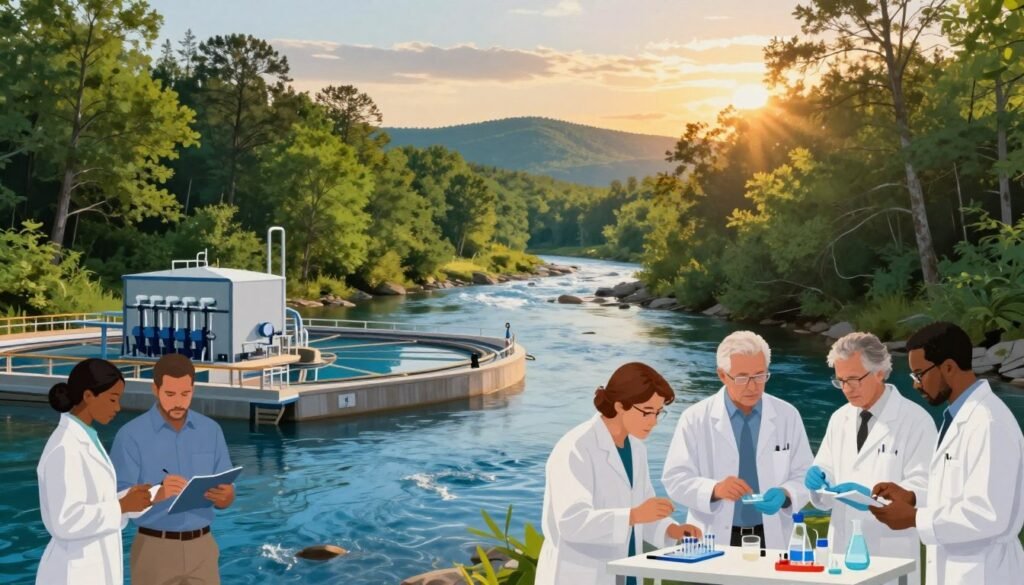
The government is investing heavily in our water systems’ health. For example, the NC General Assembly gave $50 million to the NC Collaboratory and the PFAS Testing Network. This money supports critical research into harmful chemicals that threaten our water.
These state-led efforts are essential for developing new technologies and strategies. By studying complex chemicals, experts can improve water quality standards in North Carolina. This scientific approach helps make policy decisions based on the latest data.
“Clean water is the lifeblood of our communities, and investing in research today secures our health for generations to come.”
Local communities also play a huge role in protecting our water. Many towns have started grassroots monitoring programs. These programs let citizens watch over their local streams and wells. They create a sense of shared responsibility among neighbors.
Community workshops often teach residents how to test their water. By working together, local groups can spot pollution sources early. This collaborative spirit is vital for keeping our quality of life high across the state.
Getting your local water quality data is easy and helps keep your family healthy. Every year, public water systems give out a Consumer Confidence Report (CCR). This report is key for knowing if your tap water is safe.
These reports are made easy to read, but they might seem complex at first. A North Carolina water quality report shows what contaminants are in your water from the past year. It also compares these levels to the limits set by the state and federal governments.
Looking at these reports, you can learn about your water’s source and treatment. Remember, these reports are required by North Carolina drinking water regulations to keep the public informed. If you don’t get one in the mail, you can find it on your local utility’s website or by calling them.
When you get your report, check the tables for detected substances. Look for signs that might affect your health or water taste, like:
Also, use tools like the EPA’s PFAS Analytical Tool. It gives info on chemicals in your area. Using these tools helps you follow the latest North Carolina drinking water regulations and keep your water safe for your family.
Keeping our natural resources safe is key to a healthy future. By being mindful, we can protect the importance of clean water in North Carolina for future generations.
Every small action helps build a bigger culture of caring for the environment. By choosing sustainable options, we help protect water quality in North Carolina right from the start.
Conserving water is a big step in easing the pressure on our systems. Fixing leaks and using low-flow fixtures can greatly reduce water use.
Managing water outside is also important. Using native plants in gardens means less water and fewer chemicals are needed.
It’s vital to cut down on pollutants in our water. Many pollutants come from household activities, like not disposing of chemicals right.
Using green cleaning products and taking hazardous waste to the right places helps. These actions are key to keeping our water clean and our rivers safe.
The table below shows how certain practices help protect water quality in North Carolina:
| Practice | Primary Benefit | Impact Level |
|---|---|---|
| Proper Chemical Disposal | Prevents groundwater contamination | High |
| Native Landscaping | Reduces toxic runoff | Medium |
| Water Conservation | Decreases treatment demand | High |
| Eco-friendly Cleaning | Lowers chemical load in sewers | Medium |
Controlling your home’s water supply is a smart move for better health. For those worried about NC tap water safety, getting a home water treatment is key. These systems help by cutting down on harmful substances right where you need them.
Finding the right technology is critical for protecting water quality in North Carolina. Studies show certain methods are top-notch at catching common pollutants, like PFAS.
Getting a top-notch system is just the start for NC tap water safety. You must stick to a strict schedule for replacing filter cartridges. This keeps your system working well.
When filters get full, they can’t catch contaminants anymore. In some cases, an old filter can even spread bacteria or pollutants back into your water. Always remember to follow the maker’s advice for protecting water quality in North Carolina by setting reminders for regular maintenance.
Knowing about your local environment helps you protect your home. Getting a current North Carolina water quality report is key. It lets you make informed choices about your water use.
The North Carolina Department of Environmental Quality is a main source of public data. You can check their website for compliance records and local projects. They also help with professional water quality testing in NC to ensure your water is safe.
There are programs for families struggling with tap water issues. The Bernard Allen Emergency Drinking Water Fund helps with PFAS contamination in private wells. Local non-profits offer support to help you deal with these problems. They can provide the help you need for your home’s water supply.
← Drinking Water Quality by State — see how all 50 states are rated on our 5-factor composite methodology covering PFAS, lead, violations, disinfection byproducts, and infrastructure.
If your home uses a private well, your water is exempt from federal testing requirements and may contain contaminants not covered by municipal reports. See our comprehensive review: Best Water Filters for Well Water in 2026 (Iron, Sulfur & PFAS).