
Beautiful Plants For Your Interior

Learn how to test well water at home before buying a filter. Discover the best methods and Amazon test kits to ensure your water is safe to drink.
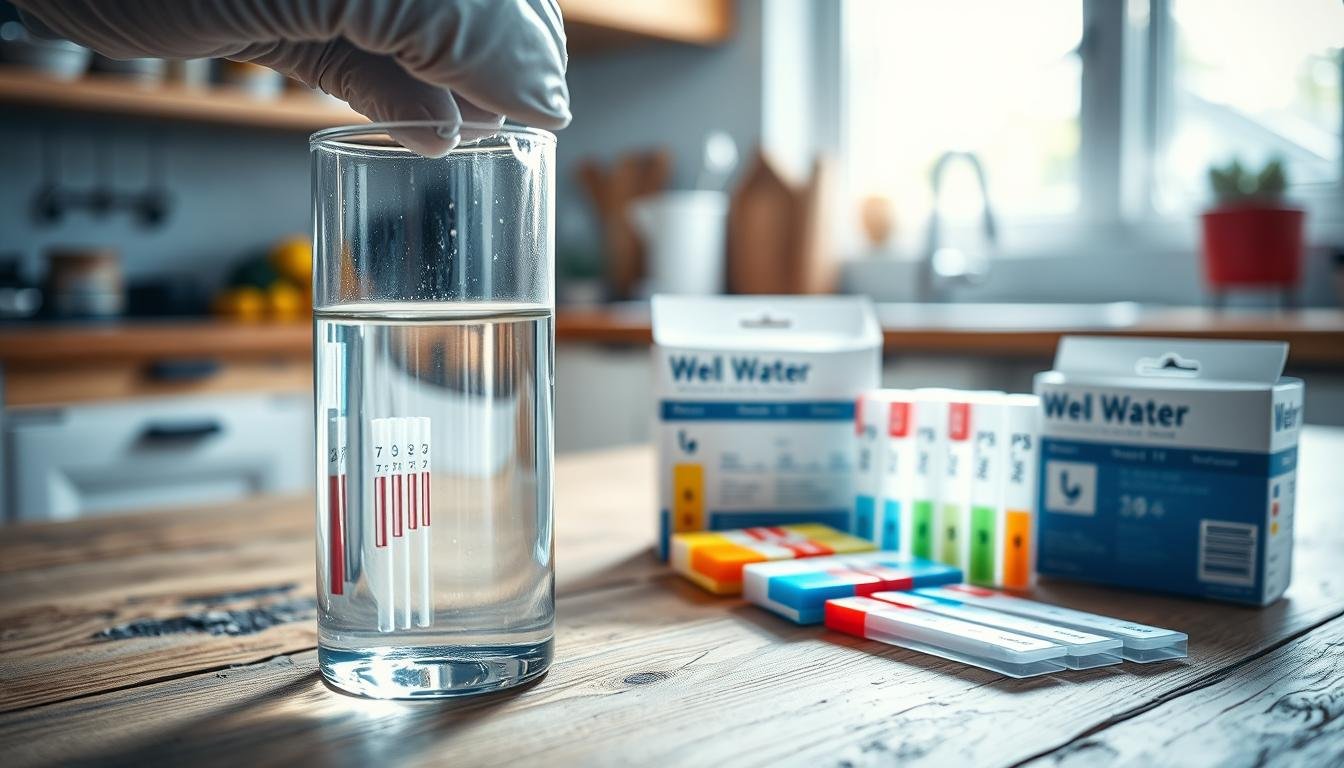
Curious whether your tap is safe enough for daily drinking? Many homeowners assume private sources are monitored, but the U.S. EPA does not regulate or treat private supplies. That gap means you must take simple steps before investing in a costly filter.
Start by identifying specific worries like bacteria or chemicals. Local health departments can guide which tests fit your risks and region.
When you check for common pollutants, you gain peace of mind and clear results. This prevents spending on systems that may not address your home’s issues.
In this short guide, you will learn practical, research-phase actions that help you make an informed buying choice and protect your family’s long-term health.
Because private sources fall outside federal oversight, you need a clear plan for safety.
Private supplies are not covered by the Safe Drinking Water Act, unlike public water systems. That means you are responsible for regular checks and for any treatment your family needs.
Experts recommend you test your source at least once every year, ideally in spring. Typical screenings include total coliforms, pH, total dissolved solids (TDS), and nitrates. These tests catch bacteria and common chemicals that threaten health.
Contact your local health department for regional guidance. They can point you toward accredited labs and advise on risks linked to flooding, aging pumps, or nearby land use.
| Recommended Test | Frequency | Why It Matters |
|---|---|---|
| Total coliforms | Every year | Detects bacterial contamination that can cause illness |
| pH & TDS | Every year | Shows corrosion risk and mineral load that affect systems |
| Nitrates | Every year (spring) | High levels harm infants and indicate runoff |
Regular testing gives clear results you can use when choosing filters or repairs. Taking these steps keeps your drinking water safe and protects long-term health.
Identifying contaminants early can save money and prevent health surprises after closing.
Common Indicators of Contamination
Look for changes in taste, color, or smell. Those shifts often signal bacteria or chemicals that affect your drinking water quality.
Priority checks include total coliform and nitrates. High total coliform levels can mean other harmful germs are present.
Proximity to farms, industrial sites, or old mines raises the risk of nitrates, heavy metals, and volatile organic compounds in private wells.
Before finalizing any real estate transaction, request screening for VOCs and metals that pose long-term concern.
A short, low-cost screening helps you decide what further analysis is needed.
Start with simple kits that check pH, total coliform and basic chemicals. Affordable Amazon test kits give quick feedback and fit most budgets.
Follow the included steps exactly when you collect a sample. Proper sampling reduces false results and shows whether you need more detailed analysis from a certified lab.
“Initial screening narrows focus and saves money on unnecessary equipment.”
| Option | What it checks | When to use |
|---|---|---|
| Basic Amazon kit | pH, TDS, coliform | First screening, low cost |
| Advanced home kit | Nitrates, chlorine, lead | If local risks exist |
| Certified lab panel | VOCs, metals, pathogens | If kits show problems or every year |
Remember: home kits help, but a private well needs professional well testing every year. Contact your health department if results concern you.
Knowing what the lab numbers mean saves you money and prevents surprise repairs after closing.
After you receive your test results, compare them against the standards provided by your local health department. That comparison tells you if drinking water meets safety limits or if levels of chemicals and bacteria need action.
If your water test shows high heavy metals or total coliform, use bottled drinking water or another safe source until the issue is fixed. Immediate steps protect your family’s health and preserve property value during real estate transactions.

| Result Type | Action | Who to Contact |
|---|---|---|
| Total coliform | Stop using for drinking; disinfection and resample | Local health department; licensed well contractor |
| Heavy metals (lead, arsenic) | Use alternative drinking source; consider filtration or repair | State-certified lab; licensed water treatment pro |
| High nitrates | Avoid for infants; investigate nearby runoff sources | Local health department; environmental consultant |
When results raise concern, consult a professional. Your local health experts can guide treatment options and document fixes for an informed purchase decision.
Once your lab results are in, pick a system that targets the contaminants shown.
Activated carbon removes volatile organic compounds and many disinfection byproducts. It is a practical option when your results show chemicals or odors.
Carbon systems are cost-effective and simple to maintain. Replace cartridges on schedule for best performance.
Reverse osmosis (RO) handles nitrates, PFAS, and heavy metals like lead. RO gives the most thorough reduction of dissolved contaminants.
Install an RO unit if your results report elevated heavy metals or high dissolved solids. Keep a maintenance plan for membranes and storage tanks.
UV treatment disinfects drinking water by inactivating bacteria and viruses. Use UV if total coliform or bacterial presence appears in your tests.
UV works best when combined with a sediment pre-filter and rated for your flow and levels.
“Match the technology to the problem and check that the system is rated for the contaminant levels in your report.”
| System | Targets | Good For |
|---|---|---|
| Activated carbon | VOCs, chlorine, taste & odor | Chemical removal, low maintenance |
| Reverse osmosis | Nitrates, PFAS, heavy metals | High-quality drinking results, dissolved solids |
| UV treatment | Bacteria, viruses | Disinfection for private wells and systems |
Before you buy, confirm ratings against your results and consult the local health department if uncertain. Proper selection protects health and supports long-term real estate value.
A yearly check gives clear numbers you can use when choosing treatment and planning repairs.
Follow simple steps each spring and keep copies of your test results for real estate transactions or routine care. Regular well testing makes sure your drinking water meets safety goals and catches chemicals or bacteria early.
When results raise questions, contact your local health department. They help you interpret findings and recommend systems that match your water quality needs.
Take time now; these steps protect health and prevent costly fixes later. A short screening every year is the easiest way to make sure your family has a water safe drink supply.
