
Beautiful Plants For Your Interior
On a GLP-1 medication, water supports weight loss mainly by preventing the dehydration, constipation and fatigue that can derail it. GLP-1s cut appetite, so you take in less water from food and often drink less too, while nausea or diarrhea add losses. A practical target is at least the 2.7 liters (about 91 oz) of total water a day the National Academies set for women and 3.7 liters (125 oz) for men, more in heat or with GI side effects. Water itself gives a modest extra boost: drinking about 500 mL (17 oz) before meals helped adults lose more weight in a controlled trial.
GoodRx’s guide on how much water to drink on a GLP-1 makes the same point about appetite and fluid. Here is how to put it into practice.
Some links below are affiliate links. If you buy through them we may earn a commission at no extra cost to you. See our Affiliate Disclosure.
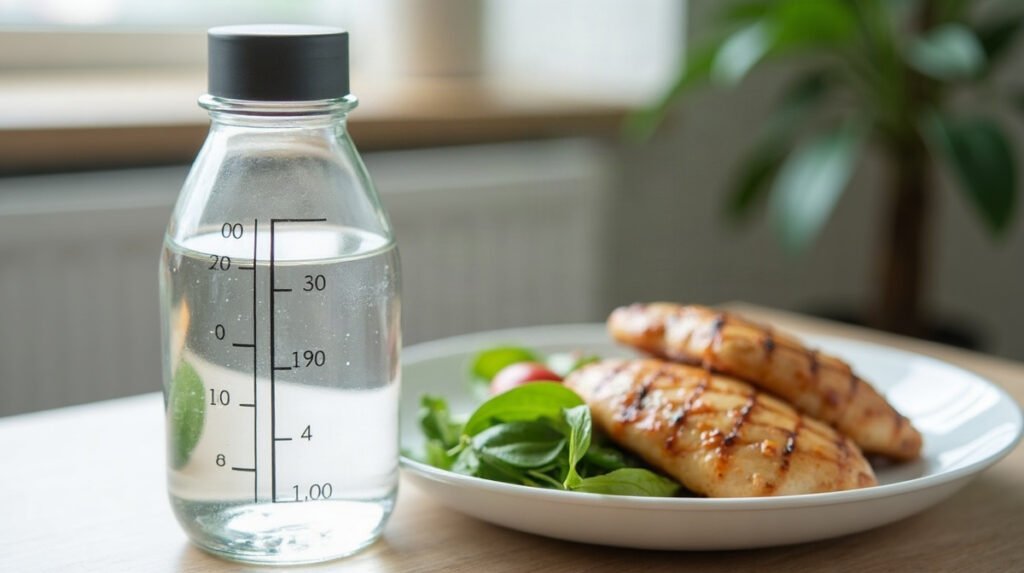
Modestly, yes. In a 12-week trial of adults aged 55 to 75 on a reduced-calorie diet, those who drank 500 mL of water before each meal lost about 2 kg (4.4 lb) more than those who didn’t. Replacing sugary drinks with water also cuts calories without effort. On a GLP-1 the bigger benefit is indirect: staying hydrated keeps energy up, prevents constipation, and protects the kidneys, so you can stay on the medication and keep moving.
| Time | Amount | Tip |
|---|---|---|
| On waking | 16 oz | Before coffee |
| Before or with breakfast | 8 to 16 oz | Sip, don’t gulp, if nauseated |
| Mid-morning | 16 oz | Keep a bottle at your desk |
| Before or with lunch | 8 to 16 oz | |
| Afternoon | 16 to 24 oz | Add electrolytes on hot or GI days |
| Dinner and evening | 16 oz | Taper before bed |
That totals roughly 80 to 105 oz of drinks, which, with food, lands most adults near the National Academies’ targets. For weight-based amounts on Zepbound specifically, see how much water to drink on Zepbound.
Very little urine, fainting or being unable to keep fluids down needs prompt medical care.
Drinking 80 to 100+ oz a day makes your tap water a bigger part of your diet. Check your utility’s annual report, especially if you’re on a private well. New Hampshire and Iowa are two states where well water is common and testing matters: see New Hampshire drinking water and Iowa drinking water.
At least 2.7 liters (91 oz) of total water a day for women and 3.7 liters (125 oz) for men, including water from food, and more in heat or with GI side effects.
Not directly, but it prevents dehydration and constipation that make the medication harder to tolerate. Water before meals adds a modest benefit.
GLP-1 medications reduce appetite and many people also feel less thirsty. Schedule your drinks instead of waiting for thirst.
It helps with constipation, headaches and fatigue linked to dehydration, and sipping water can ease nausea.
A glass before meals can help with fullness, but if you’re nauseated, sip slowly to avoid feeling overly full.