
Beautiful Plants For Your Interior

Concerned about well water and rainwater quality? Our off-grid guide reveals common contaminants and how to keep your water safe and clean.
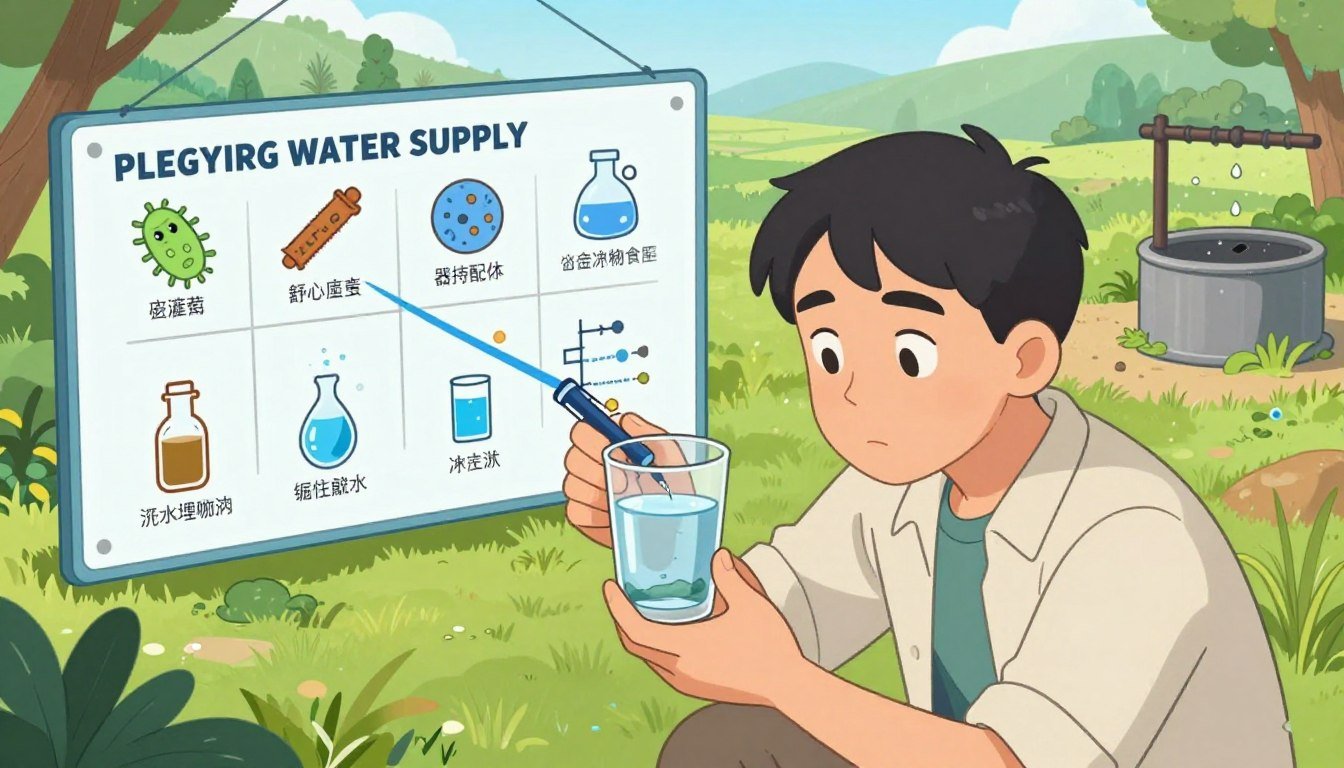
Did you know that nearly 43 million Americans get their daily drinking liquid from private sources? This surprising fact highlights how many folks are responsible for their own safety every single day. While the dream of a secluded country home is exciting, managing your own utilities presents unique hurdles.
Finding a reliable way to stay hydrated is a top priority when choosing a lifestyle away from city lines. Living independently requires you to arrange your own electricity and food. It is essential to ensure your liquid is pure and safe for your family.
However, rural areas often hide invisible microscopic risks in the ground or sky. You must be proactive to keep your household healthy and thriving. Understanding well water rainwater contaminants off grid is the first step toward long-term security in the wilderness.
This guide explores common impurities found in nature. We will look at how to ensure your resources stay fresh and clean. Keeping your remote homestead functional starts with a clear plan for your independent hydration essentials.
The quality of well water and rainwater can be compromised by numerous contaminants, posing significant health risks to those living off-grid. These water sources are often exposed to various environmental factors that can introduce harmful substances.
Untreated well water and rainwater can harbor a variety of biological pathogens, including bacteria, viruses, and parasites. Pathogens like E. coli and Salmonella can cause severe gastrointestinal illnesses. It’s essential to identify and mitigate these risks to ensure safe drinking water.
Some common biological contaminants include:
Chemical runoff from agricultural activities, industrial processes, and improper waste disposal can significantly contaminate well water and rainwater. Pesticides, herbicides, and heavy metals are among the common chemical pollutants that can affect water quality.
| Chemical Pollutant | Source | Health Impact |
|---|---|---|
| Nitrates | Agricultural runoff, septic systems | Can cause blue baby syndrome, certain cancers |
| Pesticides | Agricultural activities | Linked to neurological damage, cancer |
| Heavy Metals (e.g., Lead, Arsenic) | Industrial waste, natural occurrence | Can cause neurological damage, organ failure |
The local geology plays a crucial role in determining the quality of well water. The type of rock and soil surrounding a well can either protect or contaminate the water supply. For instance, areas with karst topography are more susceptible to groundwater contamination due to the soluble nature of the rock.
Understanding the local geology is vital for assessing the risk of contamination and implementing appropriate water treatment measures. Regular testing and monitoring can help identify potential issues before they become major problems.
Regular water quality testing is the cornerstone of maintaining a safe and healthy off-grid water supply. For individuals relying on wells and rainwater harvesting systems, ensuring the water is free from contaminants is crucial for health and safety.
To achieve this, it’s essential to understand the various aspects of water quality testing. This includes selecting the appropriate testing kits, accurately interpreting laboratory results, and adjusting the testing frequency according to seasonal changes.
Choosing the right water testing kits is the first step in establishing a reliable testing routine. Off-grid water testing kits should be comprehensive, covering a wide range of potential contaminants including biological pathogens, chemical pollutants, and other harmful substances.
When selecting a testing kit, consider the specific needs of your off-grid water source. For instance, if you’re testing well water, you may need to focus on contaminants like nitrates, bacteria, and heavy metals. For rainwater harvesting systems, testing for pH levels, turbidity, and microbial contaminants may be more relevant.
| Contaminant Type | Common Contaminants | Testing Method |
|---|---|---|
| Biological | E. Coli, Salmonella, Giardia | Culture-based or PCR testing |
| Chemical | Nitrates, Heavy Metals, Pesticides | Spectrophotometry or ICP-MS |
| Physical | Turbidity, pH, Hardness | Turbidimeter, pH meter, Titration |
Once you’ve collected your water samples and sent them to a laboratory for analysis, interpreting the results correctly is vital. Laboratory reports can be complex, but understanding the key indicators of water quality is essential for ensuring safety.
Pay particular attention to parameters like total coliform bacteria, E. coli, and nitrate levels, as these are common indicators of contamination. If your results show elevated levels of these contaminants, it may be necessary to implement additional water treatment measures.
The frequency of water quality testing should be adjusted according to seasonal changes and other environmental factors. For example, wells may be more susceptible to contamination during heavy rainfall events due to runoff, while rainwater harvesting systems may require more frequent testing during dry periods due to concentration of contaminants.
As a general guideline, consider testing your water supply at least quarterly. However, if you notice any changes in water taste, odor, or appearance, or if there are significant changes in your local environment, more frequent testing may be necessary.
As rainwater harvesting gains traction in modern off-grid designs, understanding the risks of contamination becomes crucial. Rainwater harvesting systems, which include a roof catchment surface, gutters and downspouts, first-flush diverters, storage tanks or cisterns, and filtration and disinfection components, offer a sustainable water collection solution. However, these systems can be vulnerable to various contamination sources if not properly designed and maintained.
The type of roofing material used for rainwater collection can significantly impact water quality. Certain materials, such as asphalt shingles or lead-based coatings, can leach chemicals into the rainwater. Additionally, atmospheric fallout, including particulate matter and pollutants from nearby industrial activities or vehicle emissions, can settle on the roof and contaminate the collected rainwater.
To minimize contamination risks, it’s essential to choose roofing materials that are safe for rainwater harvesting. Materials like metal, clay, or slate are generally considered suitable options. Regular roof inspections can also help identify potential issues before they affect water quality.
Gutters and downspouts play a critical role in directing rainwater from the roof to the storage tank. However, if not properly maintained, they can become a source of contamination. Debris such as leaves, twigs, and animal droppings can accumulate in gutters, potentially introducing pathogens and other contaminants into the rainwater.
Regular gutter cleaning and the installation of gutter guards can significantly reduce the risk of debris accumulation. Furthermore, ensuring that gutters are securely attached and functioning correctly is vital for maintaining water quality.
Storage tanks or cisterns are another potential source of contamination in rainwater harvesting systems. Over time, biofilm can form on the tank walls, and sediment can accumulate at the bottom. These conditions can harbor bacteria, algae, and other microorganisms, compromising the quality of the stored rainwater.
Regular inspection and maintenance of storage tanks are crucial to preventing biofilm and sediment buildup. This may involve periodic cleaning, checking for signs of algae growth, and ensuring that the tank is properly sealed to prevent external contaminants from entering.
Surface contamination poses a considerable risk to well water quality, making evaluation and mitigation essential. Well water is a vital resource for many, especially in off-grid communities. However, its quality can be compromised by various surface contaminants.
The integrity of a well’s casing and surface seals plays a critical role in preventing surface contamination. A compromised well casing can allow contaminants to enter the well, posing a risk to water quality. Regular inspections are necessary to ensure that the well casing and surface seals remain intact.
Key factors affecting well casing integrity include:
Wells located near septic systems or agricultural areas are at a higher risk of contamination. Septic systems can leak pathogens into the groundwater, while agricultural runoff can introduce chemicals and fertilizers into the water supply.
| Contamination Source | Potential Contaminants | Mitigation Strategies |
|---|---|---|
| Septic Systems | Pathogens, bacteria, viruses | Regular septic system maintenance, proper well placement |
| Agricultural Runoff | Chemicals, fertilizers, pesticides | Implementing best management practices in agriculture, buffer zones around wells |
Recognizing the signs of well water pollution is crucial for taking prompt action. Common indicators include changes in water color, taste, or odor, as well as the presence of contaminants.
“Regular testing of well water is essential to detect any potential contamination early. This proactive approach can help prevent health issues and ensure a safe water supply.”
By understanding the risks and taking steps to mitigate them, well owners can protect their water supply and ensure a safe and reliable source of drinking water.
For those living off the grid, a robust water filtration system is not just a convenience, it’s a necessity. The most effective systems use multiple filtration stages rather than a single device. A typical setup includes sediment filtration, carbon filtration, iron or hardness treatment, fine filtration or membrane systems, and disinfection. This multi-stage approach ensures that water is thoroughly cleaned and safe for consumption.
Mechanical filtration is the first line of defense against sediment and particulate matter in water. Filters with pore sizes ranging from 1-100 microns can effectively remove dirt, sand, and other suspended solids. This not only improves the taste and clarity of the water but also protects downstream equipment from damage.
Activated carbon filters are renowned for their ability to reduce a wide range of chemicals and improve the overall quality of drinking water. They are particularly effective against chlorine, volatile organic compounds (VOCs), and certain pesticides. By incorporating activated carbon into your filtration system, you can significantly enhance the taste and odor of your water.
Reverse osmosis (RO) systems represent a comprehensive solution for water purification, capable of removing up to 99% of contaminants. RO systems force water through a semi-permeable membrane, effectively removing dissolved solids, bacteria, viruses, and other impurities. While they can be more energy-intensive and generate wastewater, RO systems are highly effective for off-grid water treatment.
Off-grid residents can significantly enhance their water quality by adopting advanced water treatment technologies. These solutions are designed to address the unique challenges faced by those relying on well and rainwater, ensuring access to safe and clean drinking water.
Ultraviolet (UV) light sterilization is a highly effective method for controlling pathogens in water. UV systems are particularly popular among off-grid homeowners, such as those living in barndominiums, due to their efficacy against bacteria and viruses. However, it’s crucial to note that UV systems require clear water and a consistent power supply to function effectively.
For optimal performance, UV sterilizers should be used in conjunction with pre-filtration systems to remove sediment and other particulates that could shield pathogens from UV light. Regular maintenance, including replacing UV lamps annually or as recommended by the manufacturer, is also essential.
Chlorination is another widely used method for disinfecting water in off-grid settings. It involves adding chlorine or chlorine-based products to the water to kill pathogens. The effectiveness of chlorination depends on several factors, including the dosage, contact time, and water pH.
| Disinfection Method | Effectiveness Against Bacteria | Effectiveness Against Viruses |
|---|---|---|
| UV Sterilization | High | High |
| Chlorination | High | Moderate to High |
| Ozonation | Very High | Very High |
Ozonation systems are recognized for their ability to treat high volumes of water effectively. Ozone is a powerful oxidant that can inactivate a broad spectrum of pathogens, including bacteria, viruses, and protozoa. Ozonation systems are particularly beneficial for larger off-grid households or communities with significant water treatment needs.
While ozonation is highly effective, it requires careful system design and maintenance to ensure safe operation. This includes monitoring ozone levels and ensuring that the system is properly integrated with other water treatment components.
A well-designed rainwater harvesting system can significantly reduce reliance on external water sources. Rainwater collection is a straightforward process that involves capturing rainwater from an impervious surface, typically a roof, and storing it in tanks or cisterns.
To ensure the quality and safety of the harvested rainwater, several best practices should be followed. These include implementing first flush diverters, selecting appropriate storage containers, and maintaining the storage tanks to prevent contamination.
First flush diverters are devices that allow the initial flow of water from the roof to be diverted, taking any debris and contaminants with it, and then allow clean water to flow into the storage tank. This significantly reduces the amount of contaminants that enter the storage tank.
Key benefits of first flush diverters include:
The storage containers used for rainwater harvesting should be made from food-grade materials to prevent chemical contamination. Common materials include stainless steel, concrete, and certain types of plastic that are certified for potable water storage.
| Material | Benefits | Considerations |
|---|---|---|
| Stainless Steel | Durable, resistant to corrosion | Higher initial cost |
| Concrete | Long-lasting, can be built on-site | May require additional coatings for water quality |
| Food-Grade Plastic | Cost-effective, easy to install | May degrade over time if exposed to sunlight |
Algae growth in water tanks can be prevented by ensuring that the tanks are opaque or covered to prevent sunlight penetration, which is necessary for algae growth. Regular maintenance, including cleaning and inspecting the tanks, is also crucial.
By following these best practices, individuals can ensure that their rainwater harvesting systems provide clean and safe water for various uses, contributing to a more sustainable off-grid water supply.
Effective wellhead management is essential to prevent contamination of well water. A well-managed wellhead is the first line of defense against pollutants and contaminants that can compromise water quality.
One of the critical aspects of wellhead management is securing the well cap against pests and debris. A well cap that is not properly secured can allow insects, animals, and other foreign materials to enter the well, potentially contaminating the water. As stated by the Centers for Disease Control and Prevention (CDC), “a well-constructed and well-maintained well is less likely to be contaminated.”
Managing the landscaping around the wellhead is another crucial aspect of maintaining well water quality. The area around the wellhead should be kept clear of debris, plants, and other potential sources of contamination. This includes ensuring that the well is not located near potential sources of pollution, such as septic systems or agricultural runoff.
“Proper landscaping around the wellhead can significantly reduce the risk of contamination.”
Regular professional inspection of the well is vital to identify any potential issues before they become major problems. Additionally, shock chlorination may be necessary to disinfect the well and distribution system. This process involves adding a high dose of chlorine to the well to kill bacteria and other microorganisms that may be present.
By following these guidelines and maintaining a proactive approach to wellhead management, individuals can significantly reduce the risk of well water contamination and ensure a safe and reliable source of drinking water.
Troubleshooting water quality issues is an essential skill for off-grid residents. Ensuring the quality of your water supply is crucial for health and safety. Regular water quality testing can help identify potential problems early on.
Common issues include unpleasant odors, unusual tastes, hard water, and sudden changes in water clarity. These problems can be caused by various factors, including contamination, system maintenance, and environmental conditions.
Unpleasant odors and tastes in your water can be caused by several factors, including hydrogen sulfide, iron bacteria, and other contaminants. Hydrogen sulfide, for example, can give water a “rotten egg” smell. To address this, you can use activated carbon filters or implement aeration systems to oxidize the hydrogen sulfide.
Regular maintenance of your water system, including checking for signs of contamination and ensuring proper function of treatment systems, is key to preventing taste and odor issues.
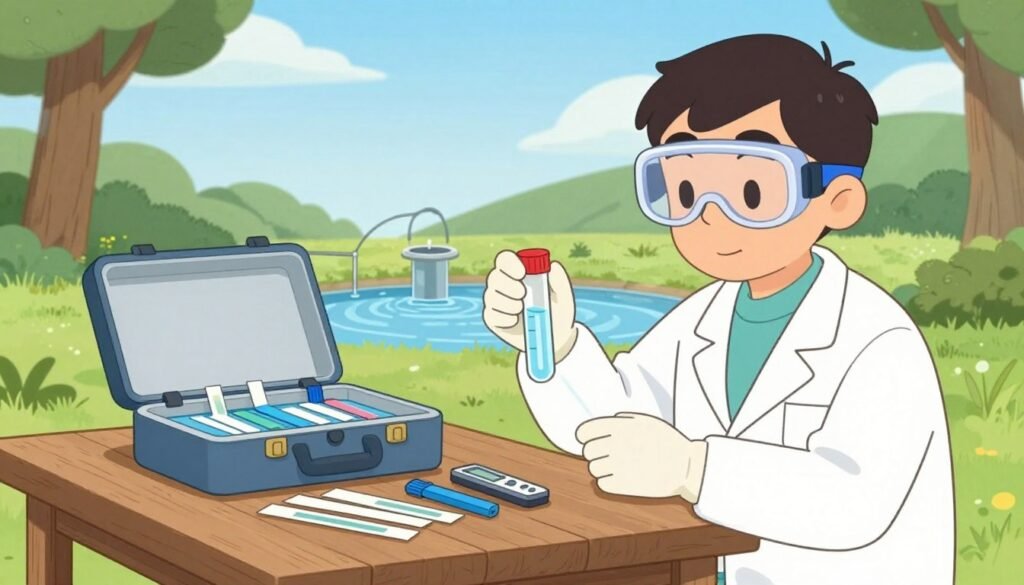
Hard water, caused by high levels of minerals such as calcium and magnesium, can lead to scaling in pipes and appliances. Water softeners can be an effective solution, exchanging sodium or potassium ions for calcium and magnesium ions.
Additionally, managing mineral deposits like iron and manganese may require specific treatment systems, such as oxidation filters or chemical treatment.
Sudden changes in water clarity can indicate a problem with your water supply or treatment system. If your water becomes cloudy or murky, it’s essential to test for contaminants and inspect your system for any issues.
Regular testing and maintenance can help identify the cause and guide the necessary corrective actions, whether it’s adjusting your treatment system or addressing issues with your well or rainwater harvesting system.
By staying vigilant and proactive, off-grid residents can ensure their water remains safe and pleasant to use.
A robust off-grid water system is crucial for those embracing a self-sufficient lifestyle. By understanding the risks associated with well water and rainwater contaminants, individuals can take proactive steps towards water pollution prevention and ensure a reliable off-grid water supply.
Effective management involves selecting the right water filtration systems, implementing advanced water treatment solutions, and maintaining well water quality through proper wellhead management. By adopting these strategies, off-grid residents can enjoy a practical, efficient, and resilient water supply system.
Careful planning and research are essential to guarantee that the off-grid water system meets specific needs and is reliable for the long term. By doing so, individuals can secure a consistent and safe water supply, aligning with the principles of off-grid living.
