Beautiful Plants For Your Interior

What bottled water brands are independently tested for safety now
Many American families now worry about the purity of their daily hydration. Recent studies highlight contamination issues like PFAS and microplastics in various supplies. While most people trust retail labels, the reality of bottled water standards varies significantly.
It is vital to distinguish between manufacturer claims and third-party verification. Not every company invites outside experts to check their production. This guide provides the information needed to identify which labels prioritize true quality.
We address the core question: What bottled water brands are independently tested for safety? By examining the source and laboratory results, we help ensure your household supply is pure. This resource helps you find reliable information for your home.
We will outline major testing organizations and specific performance reports. Our research-informed approach provides the quality information necessary for making healthy choices for your family. Understanding these audits allows you to buy with total confidence.
Key Takeaways
- Third-party verification offers an unbiased look at beverage purity.
- Many popular manufacturers only rely on internal self-reporting methods.
- PFAS and microplastics are the most common modern contaminants found.
- NSF International and the IBWA are leading safety audit organizations.
- Annual transparency reports are the best way to verify brand claims.
- Choosing verified labels reduces the risk of consuming hidden chemicals.
Understanding Independent Water Testing and Safety Standards
When we talk about safety, we must differentiate between internal manufacturer checks and rigorous third-party laboratory analysis. Genuine independent water testing involves unaffiliated organizations that have no financial stake in the brand’s success. This process provides the unbiased information consumers need to feel confident in their choices.
Independent verification matters because manufacturers often have a natural incentive to present only their most favorable results. By using standardized protocols, outside labs ensure consistency across different brands and batches. This level of transparency goes beyond basic regulatory requirements to verify the actual purity of what you are drinking.
Standardized assessments focus on specific metrics to determine the overall quality of the supply. These measurements help establish a baseline for safe drinking water based on health and safety standards. The most common parameters include:
| Metric | What It Measures | Standard/Goal |
|---|---|---|
| TDS | Total Dissolved Solids (minerals) | 500 ppm or less (EPA) |
| pH Level | Acidity or Alkalinity | 7.0 is Neutral |
| Hardness | Calcium and Magnesium levels | Absorbed from ground contact |
Comprehensive water analysis also examines potential contaminants, ranging from heavy metals to advanced chemical residues. While legal quality standards set the minimum floor, voluntary independent testing often reaches for a much higher ceiling. This distinction is vital for families seeking the cleanest possible hydration options.
To ensure reliability, reputable testing organizations follow these specific steps:
- They use a standardized test protocol to maintain scientific accuracy.
- Analysts compare results against both EPA guidelines and stricter health goals.
- The process provides clear information regarding the mineral content and presence of synthetic chemicals.
- Evaluations confirm whether the water source matches the claims on the label.
By looking for these independent benchmarks, you can move past marketing jargon. You gain access to quality data that confirms your bottled choice is actually as safe as it claims to be.
Why Independent Safety Testing Matters for Bottled Water
The reliance on manufacturer-provided data often leaves a significant gap in our understanding of bottled water safety. While companies must follow specific regulations, their internal reports may not always disclose the full extent of hidden contaminants. Independent testing provides the transparency necessary for families to make truly informed information choices about their drinking water.
PFAS Forever Chemicals in Drinking Water
Recent investigations have uncovered the presence of per- and polyfluoroalkyl substances, known as PFAS, in popular brands. Consumer Reports found measurable levels of these “forever chemicals” during rigorous laboratory checks on drinking water. For instance, testing revealed that Topo Chico contained PFAS levels of 9.76 parts per trillion.
Scientists call these chemicals “forever” because they do not easily biodegrade in the environment or the human body. Exposure to even trace amounts warrants consumer attention because of serious long-term health risks. Chronic exposure may lead to cancer, hormone disruption, and significant damage to the liver and immune system.
Microplastic Contamination in 93% of Bottles
A landmark 2018 study from Orb Media and the State University of New York highlights a widespread issue in the industry. Researchers found microplastic contamination in 93% of bottles tested across 11 different brands in nine countries. This discovery suggests that plastic particles are a nearly universal presence in bottled water products.
The concentration of these particles is particularly concerning for regular consumers. In half of the brands tested, the study revealed more than 1,000 pieces of microplastic per liter. Such high numbers point to significant quality control concerns during the manufacturing and bottling process.
| Contaminant Category | Testing Discovery | Primary Risk |
|---|---|---|
| Forever Chemicals | 9.76 ppt in Topo Chico | Hormone and immune damage |
| Microplastics | Found in 93% of bottles | Unknown long-term water health effects |
| Source Integrity | Tap water sold as spring | Misleading quality claims |
Source Water Verification Concerns
Another area where independent audits are essential involves the actual source of the liquid. Some brands market their product as “spring water,” implying it comes from a pristine, natural underground location. However, investigations sometimes reveal that the water actually originates from municipal tap systems.
Without third-party verification, it is difficult to know if you are paying a premium for basic tap water. Reliable information helps bridge this gap between marketing claims and reality. Accessing unbiased information ensures that you receive the quality you expect for your home and family.
Leading Organizations That Conduct Independent Water Testing
Finding reliable data on what we drink often means turning to third-party groups that operate outside the influence of the beverage industry. These independent entities provide a layer of transparency by verifying the safety claims of various manufacturers. They ensure that the information they provide remains objective and free from corporate bias.
By making their findings public, they allow a consumer to look past marketing slogans. This helps people see actual laboratory data rather than just pretty labels. These organizations strengthen public confidence in safety assessments through rigorous scientific methods and unbiased reporting on water purity.
Consumer Reports Testing Protocols
Consumer Reports operates as a trusted, non-profit organization dedicated to thorough product evaluation. The group follows a strict methodology to ensure unbiased results for every test they perform. They purchase samples directly from retail locations just like a normal buyer would to ensure accuracy.
This approach prevents manufacturers from sending specific samples that might not represent the average bottle. Their researchers then submit these items to accredited laboratories for deep analysis. One notable study by this group detected varying levels of PFAS chemicals in popular sparkling water brands.
Tap Score Laboratory Analysis
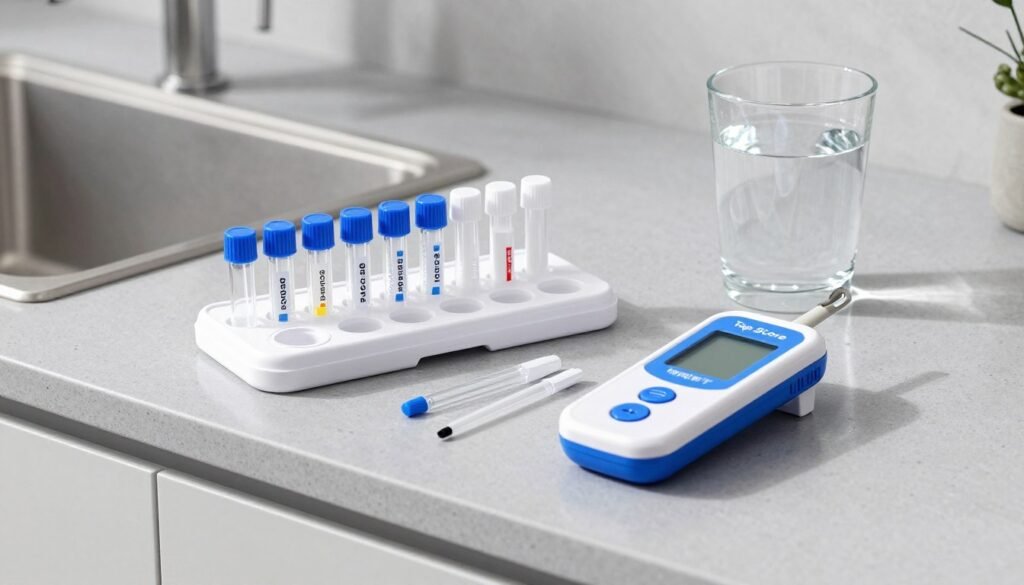
For those who want to verify their own drinking water quality, Tap Score provides accessible laboratory services. They offer professional-grade evaluations that help a consumer identify specific contaminants in their home or favorite brands. This service provides highly detailed information about what is actually in the container.
Their reports compare findings against health-based goals rather than just basic legal requirements. This helps people understand the potential long-term effects of certain contaminants. Using these professional tools ensures that your family stays safe from hidden pollutants through direct scientific evidence.
Orb Media and University Research Studies
Academic institutions provide another layer of essential oversight through rigorous research studies. A landmark 2018 collaboration between Orb Media and the State University of New York in Fredonia examined bottled water safety closely. Researchers tested 11 different brands across nine countries to find signs of contamination.
The study revealed that many samples contained tiny microplastic particles. Such academic rigor ensures the quality of the data remains high and scientifically sound for the public. Access to this information allows people to understand the global scale of water purity issues today.
| Organization | Main Focus Area | Testing Method |
|---|---|---|
| Consumer Reports | PFAS & Chemical Safety | Retail Sample Purchasing |
| Tap Score | Consumer Lab Reports | Professional Mail-in Kits |
| Orb Media | Microplastic Research | University Collaboration |
Multiple independent sources help confirm findings and provide cross-verification for various brands. This strengthens the overall quality of the bottled water safety landscape. Ultimately, choosing a product based on a scientific test is the smartest way to protect your health.
What Bottled Water Brands Are Independently Tested for Safety?
Many consumers assume all water brands are rigorously checked, but independent safety verification remains surprisingly inconsistent across the industry. While every manufacturer must follow basic federal rules, the level of third-party oversight varies significantly. Some premium brands voluntarily submit to regular audits, while others rely solely on their own internal quality control teams.
Independent organizations often step in to provide the transparency that many shoppers crave. For instance, Consumer Reports recently conducted a major test focused on PFAS, often called “forever chemicals.” They specifically examined several bottled water brands to see if these harmful substances were present in high levels.
The results highlighted specific names like Topo Chico, Polar, and Bubly. Other popular options like Poland Spring, Canada Dry, LaCroix, and Perrier also underwent this rigorous scrutiny. This information helps families choose products that align with their health goals.
Beyond chemical contaminants, water quality experts have analyzed 16 popular brands for basic quality parameters. These experts looked at Total Dissolved Solids (TDS), pH levels, and mineral hardness. Their research included a wide variety of water brands, ranging from standard purified options to high-end artesian imports.
- Nestle Pure Life and Fiji
- Evian, Voss, and Icelandic Glacial
- Liquid Death and Perrier
- Flow Water, Aquafina, and Dasani
- Boxed Water, Arto Life Wtr, and Smart Water
“The best way to ensure safety is to look for companies that provide clear, accessible reports from third-party laboratories rather than just internal summaries.”
It is a stark reality that many products on grocery store shelves have never faced an independent safety check. Most only meet the bare minimum for regulatory compliance regarding their source or treatment process. Without external verification, it is difficult to confirm the true quality of the water you drink.
| Brand Category | Tested Parameters | Independent Body |
|---|---|---|
| Sparkling Water | PFAS Levels | Consumer Reports |
| Spring Water | TDS, pH, Hardness | Water Quality Experts |
| Purified Water | Mineral Content | Academic Researchers |
Providing this information allows you to look past marketing claims and see the facts. In the following sections, we will explore the specific results for these bottled water brands in greater detail. This data will help you verify the source and safety of your favorite water to keep your family protected.
Premium Spring Water Brands With Independent Testing
Safety and mineral content vary significantly among top-tier brands, making third-party verification essential for discerning consumers. Many people choose luxury labels assuming the high price guarantees absolute purity and health benefits. While marketing often highlights remote islands or pristine glaciers, only independent lab results tell the true story of what is inside the bottle.
These premium choices often feature unique mineral profiles created by natural filtration through earth and stone. However, the journey from the source to your home involves shipping and storage that can impact the final product. Understanding these test results helps you choose a brand that aligns with your specific hydration needs and safety standards.
Fiji Natural Artesian Water

Fiji Water originates from an underground aquifer in the Yaqara Valley of Viti Levu. This natural artesian source remains protected from external elements until the bottling process begins. Independent laboratory analysis confirms that the liquid filters through layers of volcanic rock, which imparts a distinct mineral profile.
Recent testing shows this artesian water maintains a pH level of 7.7. This makes it slightly alkaline, which many consumers prefer for its smooth mouthfeel. The Total Dissolved Solids (TDS) measurement stands at 131 ppm, indicating a moderate presence of minerals like silica and magnesium.
Transparency is a key feature of this brand’s safety protocol. It undergoes regular testing for hundreds of organic and inorganic chemicals, including heavy metals and pesticides. The hardness level is recorded at 85 ppm, reflecting the geological source of the Fiji Islands. This consistent monitoring ensures that the quality remains stable despite the long shipping distances to American markets.
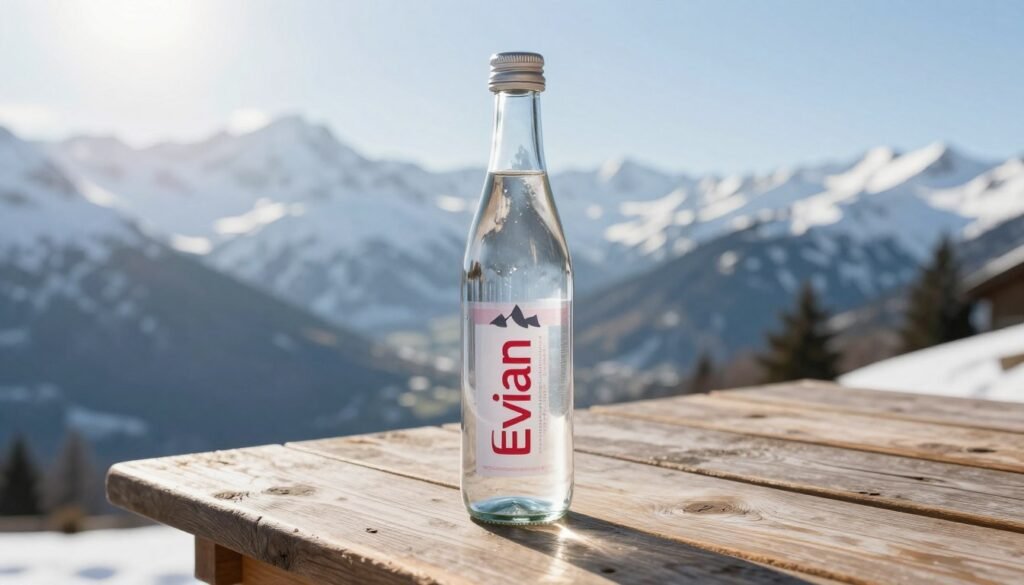
Evian Natural Spring Water

Evian is a well-known natural spring water that travels through glacial sands in the French Alps. This journey takes approximately fifteen years, providing a natural spring filtration process that is difficult to replicate. The resulting water is famous for its crisp taste and historical reputation for purity.
Independent data reveals that Evian has a pH of 8.0, placing it firmly in the alkaline category. It features a relatively high TDS of 283 ppm, which is significantly higher than many of its competitors. This higher concentration reflects a rich mineral content, including a notable sodium level of 6.5 ppm.
The spring source provides a hardness level of 136 ppm, which may be noticeable to those used to softer options. Because it is a natural spring product, the brand must adhere to strict European and American safety standards. Lab reports confirm that the quality meets rigorous criteria for chemical and microbial safety before export.
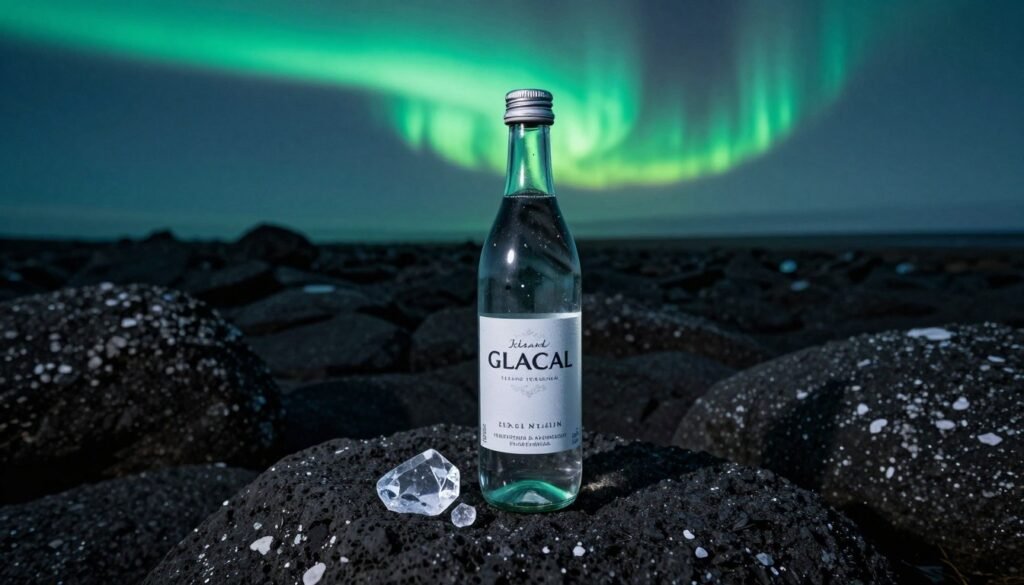
Icelandic Glacial Natural Spring Water

This brand sources its water from the legendary Ölfus Spring in Iceland. The source is a massive subterranean resource that formed over 5,000 years ago. It is naturally filtered through a vast barrier of lava rock, which acts as a powerful natural spring purification system.
While the company often claims a natural pH of 8.4, independent verification shows a tested pH of 8.0. This still represents a high-quality alkaline natural spring water suitable for balancing acidity. The TDS is relatively low at 52 ppm, suggesting a very light and clean mineral profile.
Testing also reveals a very low hardness level of only 17 ppm. This makes it one of the “softest” premium waters available on the market today. The bottled water maintains its purity through a carbon-neutral bottling process that protects the ecosystem of the spring. Consumers often choose this brand when seeking a high pH without a heavy mineral taste.
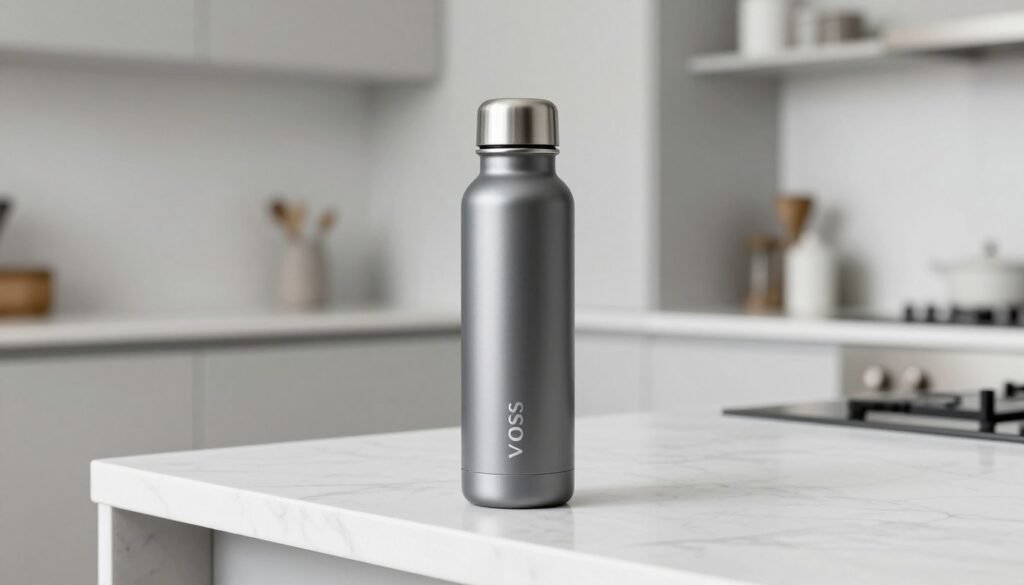
Voss Artesian Water from Norway

Voss is a natural artesian choice sourced from the pristine wilderness of Southern Norway. The brand is often associated with luxury due to its iconic glass packaging. However, independent testing highlights some surprising characteristics that differ from other premium bottled water options.
Laboratory results show an acidic pH level of 5.0, which is much lower than the alkaline profile of its competitors. The TDS measurement is extremely low at 23 ppm, even though the manufacturer sometimes claims 40 ppm. This low mineral count confirms that the artesian water is incredibly soft and virtually free of dissolved solids.
Because the water is protected deep underground, it is naturally shielded from pollutants. However, the acidic nature may be a concern for those with sensitive stomachs or dental enamel issues. It is important to review quality reports to ensure the acidity levels remain consistent with your dietary goals.
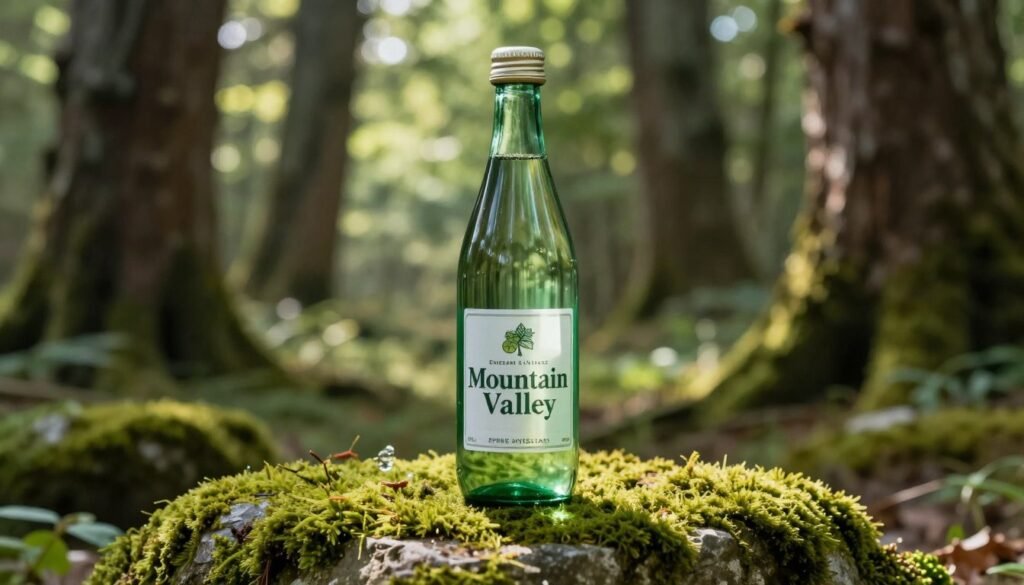
Mountain Valley Spring Water

Mountain Valley is a heritage spring water brand that has been active since 1871. It comes from a natural spring in the Ouachita Mountains of Arkansas. The brand is famous for using green glass bottles, which helps preserve the purity of the liquid by preventing plastic leaching.
This spring water features a unique mineral composition that has made it a favorite in the United States for over a century. Independent tests show it contains a balanced blend of calcium, magnesium, and potassium. The brand provides regular quality reports to maintain trust with its long-standing customer base.
By offering water in glass and resealable cans, the company addresses modern environmental concerns. This source is highly protected to ensure that no surface runoff affects the underground spring. Choosing this bottled water often appeals to those who want a domestic premium option with a verified history of safety.
The Impact of Shipping on Premium Water
While the source of these premium brands is often impeccable, the time spent in transit matters. Imported waters may sit in shipping containers for weeks or months before reaching a store shelf. High temperatures during transport can sometimes affect the container integrity, even with high-quality materials.
Consumers should check the “bottled on” dates when possible to ensure they are getting the freshest product. Independent testing at the source is vital, but your own storage habits also play a role in safety. Keep your natural spring water in a cool, dark place to maintain its original chemical balance and taste.
Alkaline Water Brands With Safety Certifications
Alkaline water has surged in popularity, yet safety certifications remain the most reliable way to verify what is actually inside the bottle. These labels help consumers distinguish between chemical additives and high-tier quality standards in the bottled water market.
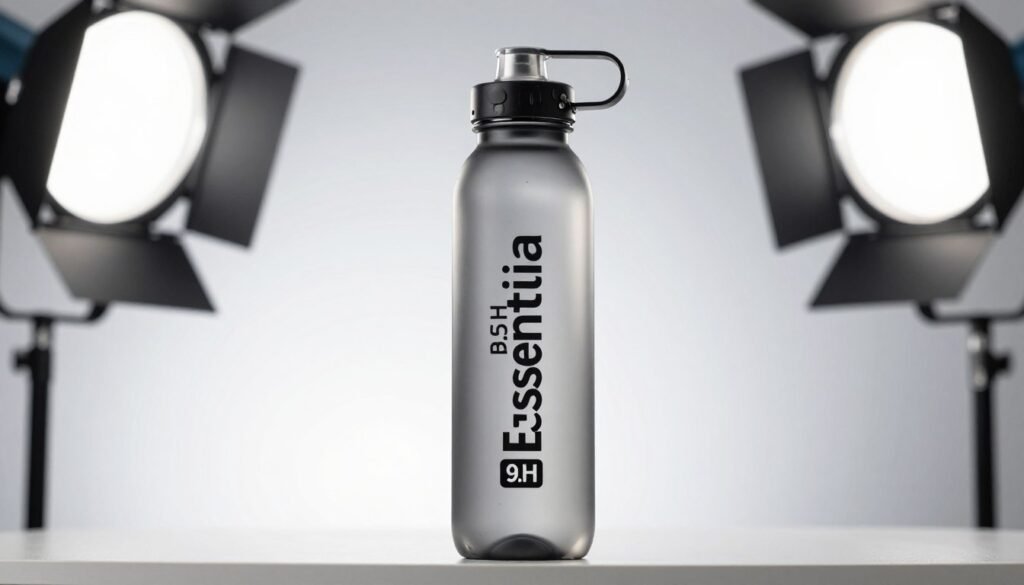
Essentia Ionized Alkaline Water

Essentia is a leader in the high-pH market, known for its distinct 9.5 pH level. Independent safety profiles reveal that this water begins its journey as a municipal source. This means Essentia uses purified tap water rather than fetching it from a remote natural spring. While the brand undergoes a proprietary ionization process to achieve its alkalinity, it remains a processed product.
The company adds a blend of electrolytes to enhance the flavor and maintain its high pH. Testing confirms that the brand meets strict safety standards despite its humble beginnings as municipal supply. This choice of origin impacts its quality positioning for purists who prefer untouched minerals. However, for those focused on high alkalinity, the brand offers consistent results for daily drinking needs.
Because it is not a spring water, the mineral profile is engineered for consistency. Independent testing ensures that no harmful contaminants from the original tap supply remain after the intensive filtration. This makes it a reliable choice for those who value verified alkaline levels over a natural mineral source.
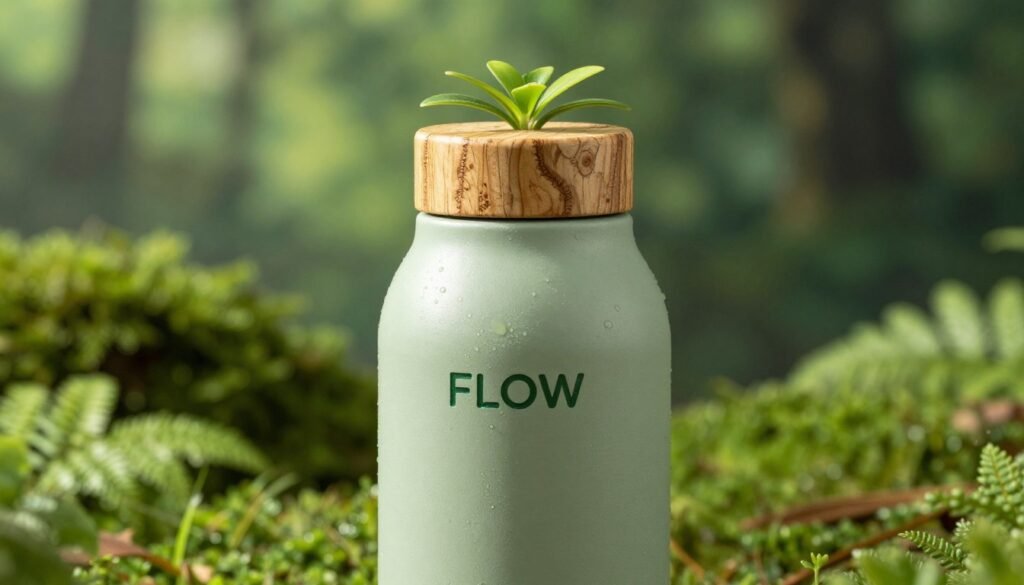
Flow Alkaline Spring Water

Flow provides a stark contrast to processed options by offering 100% naturally alkaline spring water. Independent laboratory analysis shows a naturally occurring pH of 8.0. It comes directly from a protected artesian natural spring, which allows it to retain a higher mineral content. Testing reveals a Total Dissolved Solids (TDS) level of 286 ppm, indicating a rich quality profile.
The water shows a hardness of 85 ppm, which reflects the minerals it absorbs while flowing through deep underground aquifers. Beyond the drinking experience, the brand emphasizes environmental safety. Their packaging is 100% recyclable and consists of 68-75% renewable materials. This includes a unique plant-based cap that reduces the overall carbon footprint.
Choosing a natural spring source ensures the alkalinity is stable without the need for electronic ionization. Flow stands out for maintaining high purity while protecting the environment. This makes it a top choice for families who want to avoid processed beverages and support sustainable bottled water practices.
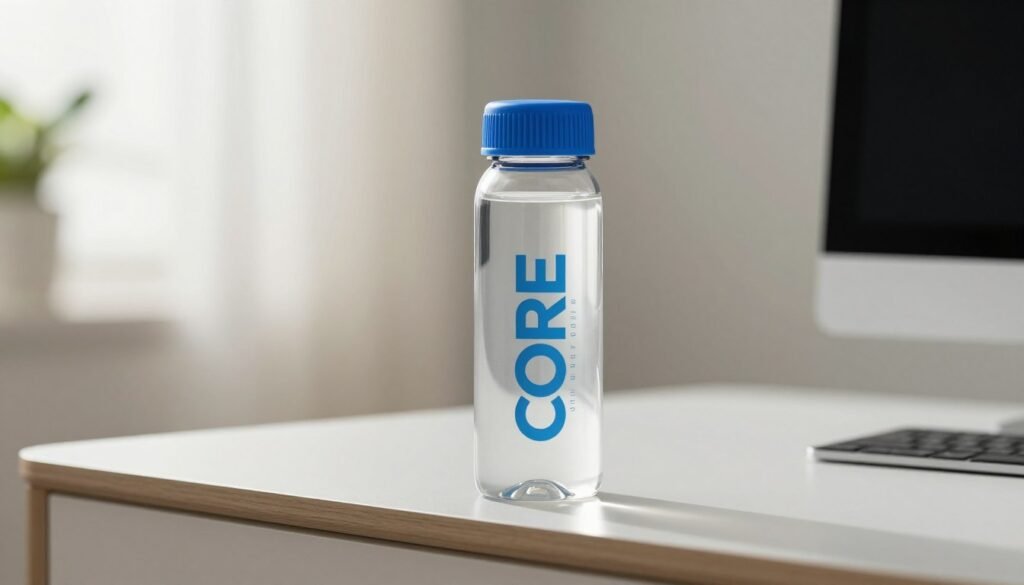
Core Hydration Perfect pH Water

Core Hydration markets itself as being “perfectly balanced” to match the body’s natural pH of 7.4. To achieve this, the water undergoes a rigorous seven-stage purification process. This intensive system removes nearly all impurities before any minerals or electrolytes are reintroduced for taste. The result is a highly controlled purity level that independent labs frequently verify.
While it is not a natural spring product, Core focuses on a clean, crisp hydration experience. The brand adds minerals like magnesium and potassium to mimic the benefits of a spring water source. This artificial alkalization allows the water to remain stable at the targeted 7.4 pH level. Safety certifications confirm that their filtration effectively eliminates common contaminants like heavy metals or chlorine.
The brand serves those who want a reliable, neutral-tasting product that supports physiological balance. By utilizing a multi-stage process, they ensure every bottle tastes exactly like the last one. Core provides transparency through their safety reports, giving health-conscious buyers peace of mind with every sip.
Purified Water Brands Tested for Contaminants
When you look past the blue labels, you find that many top-selling brands rely on advanced filtration rather than mountain springs. Purified water offers a consistent profile that many families rely on for daily health. Unlike natural spring options, these products usually undergo extensive industrial treatments to reach a high level of clarity. This ensures that every bottle tastes the same regardless of where it was filled.
The quality of these brands depends on the technology used to strip away impurities. Most of these beverage giants use local municipal systems as their starting point. By using sophisticated mechanical steps, they can create a product that is often more consistent than what comes directly out of the ground. Understanding these methods helps homeowners make better choices for their hydration needs.
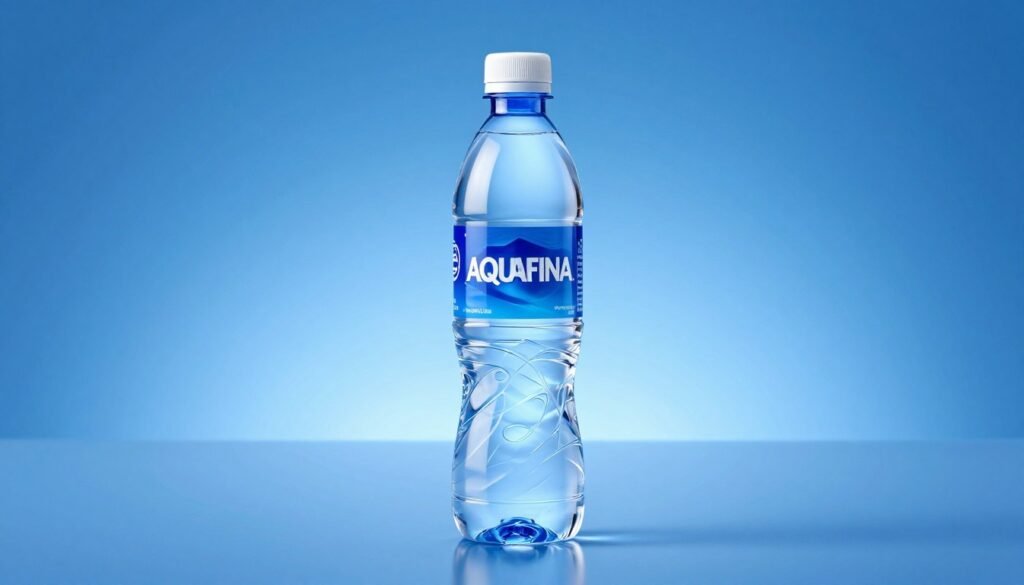
Aquafina Purified Drinking Water

Aquafina remains one of the most recognizable names in the beverage industry today. This bottled water is a PepsiCo product that begins its journey as standard municipal tap water. The company utilizes a rigorous seven-step purification system to ensure safety for its millions of consumers. Central to this process is a high-tech technology known as reverse osmosis.
This specific method effectively removes salts, chlorides, and various organic compounds from the initial source. Independent testing results for Aquafina reveal a Total Dissolved Solids (TDS) level of just 1 ppm. This remarkably low number confirms that the system is highly effective at stripping away almost all minerals. With a pH level of 6.5, the liquid is considered slightly acidic and qualifies as soft.
While it lacks the heavy mineral profile found in premium spring brands, many households trust it for its extreme consistency. The focus for PepsiCo is providing pure drinking water that meets strict internal safety standards. If you want a neutral taste without the variables of nature, this brand delivers that exact experience. Many shoppers choose to buy Aquafina water because they know exactly what to expect in every single sip.
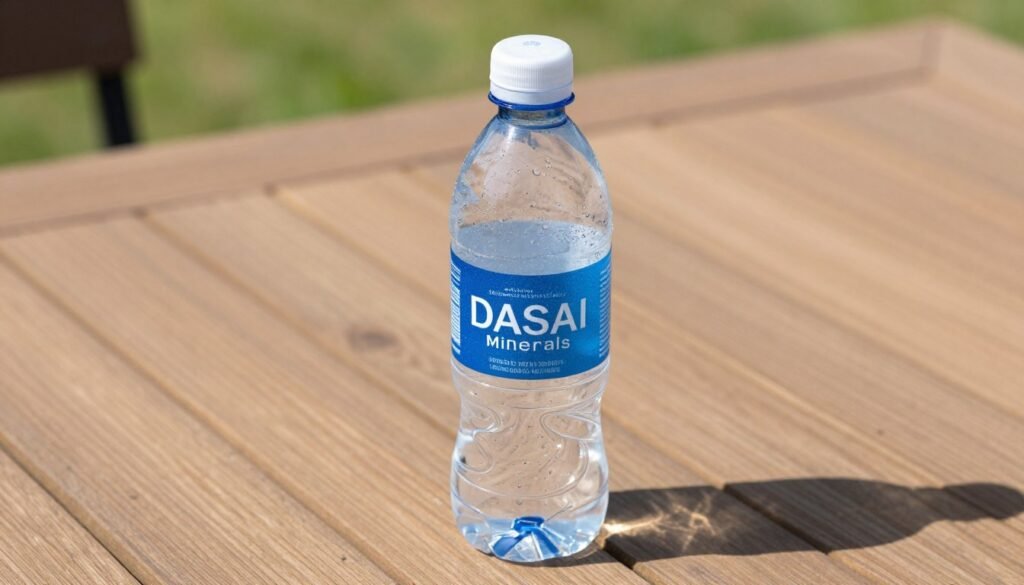
Dasani Purified Water

Dasani is a major Coca-Cola product that follows a different philosophy than its main competitors. Like other purified brands, it starts with tap water from local municipal supplies across the country. The company uses reverse osmosis to remove any potential contaminants that might be present in the city supply. This ensures the water is fundamentally clean before any further steps are taken.
After the initial cleaning, Coca-Cola adds a specific blend of minerals to create a signature flavor. These additives include magnesium sulfate, potassium chloride, and common salt. Laboratory analysis shows that Dasani has a TDS level of approximately 28 ppm. This is slightly higher than some competitors due to the intentional mineral inclusion for taste enhancement.
The testing also indicates a pH level of 6.1, making it one of the more acidic options on the market. Maintaining high quality standards is the primary goal for this global brand. Consumers who buy Dasani water often appreciate the crisp, slightly mineralized taste that differentiates it from completely stripped options. It represents a balance between industrial purity and engineered flavor profiles.
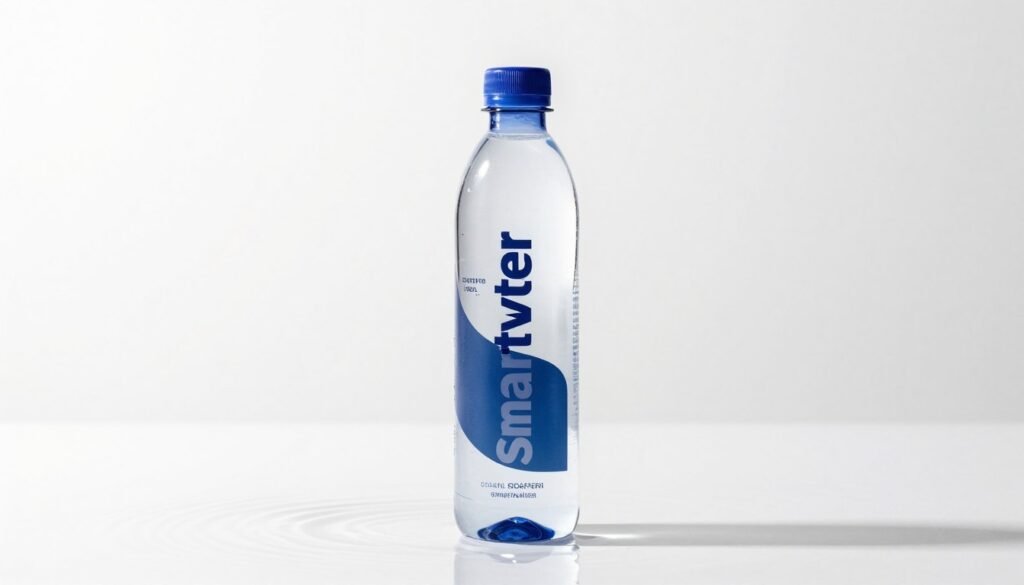
Smartwater Vapor Distilled

Smartwater takes a unique technical approach to water safety by using vapor distillation. This process involves boiling tap water to create steam and then condensing it back into a liquid state. This method effectively mimics the natural hydrologic cycle, leaving most impurities behind in the boiling chamber. It is another popular brand owned by the Coca-Cola Company that focuses on high-tech solutions.
Because distillation removes all minerals, the company adds electrolytes like calcium chloride and magnesium chloride back into the liquid. This is done primarily for quality and taste rather than for nutritional supplementation. Independent lab reports show a TDS level of 25 ppm, which is very similar to other leading purified brands. The pH level typically sits at 6.5, providing a balanced and smooth mouthfeel for the drinker.
The filtration journey of Smartwater makes it a favorite for those who prefer a very “clean” and light sensation. Many people choose to buy Smartwater when they want the assurance of distillation combined with a modern brand image. It bridges the gap between basic utility and premium lifestyle hydration through its distinct manufacturing method.
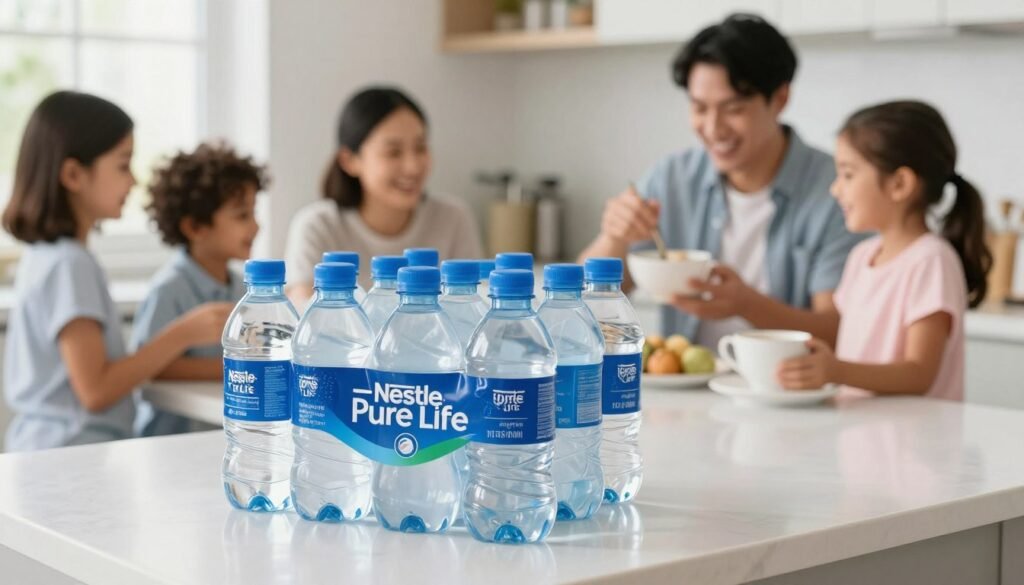
Nestle Pure Life

Nestle Pure Life has often faced scrutiny regarding its source and labeling practices. While it is marketed as a family-friendly option, its high mineral content sets it apart from other purified brands. Testing reveals an exceptionally high TDS level of 516 ppm. This suggests the water contains a significant amount of dissolved minerals, which characterizes it as quite hard.
The pH level for this brand is measured at 7.5, which is slightly alkaline. Despite its “spring” positioning in some markets, many reports highlight its reliance on tap water in various bottling locations. To manage safety, the company employs reverse osmosis and filtration at several of its processing facilities. This helps to maintain a consistent quality level across different geographic regions.
The purification steps are designed to meet federal standards for any bottled water sold in the United States. However, the high TDS and pH 7.5 readings raise questions about how much the liquid is actually processed compared to its competitors. People who buy Nestle Pure Life water generally look for affordability and 100% reliable drinking water. It remains a staple for many households due to its widespread availability in local grocery stores.
Eco-Friendly Bottled Water With Independent Testing
Environmental sustainability and water quality testing can go hand-in-hand with modern packaging solutions. Many households now seek alternatives to traditional containers that often end up in landfills. We have researched brands that prioritize both the planet and rigorous safety standards.
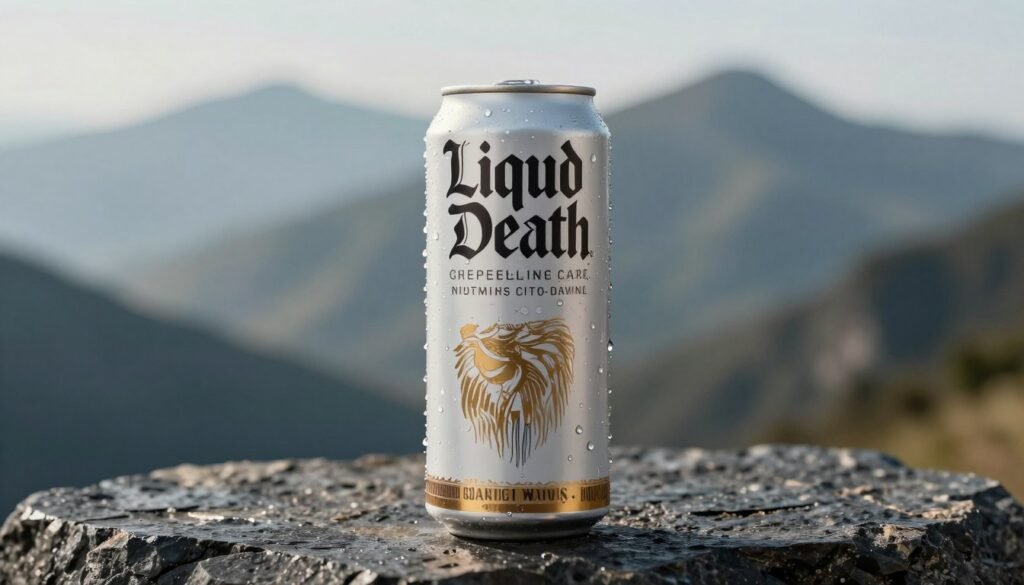
Liquid Death Mountain Water

Liquid Death offers mountain water that challenges the status quo of the beverage industry. This mountain liquid comes from deep underground aquifers located in Idaho and Virginia. These specific sources sit protected beneath hundreds of feet of solid stone layers.
This natural shield prevents modern surface pollutants from entering the supply. Independent tests confirm a natural spring profile with a crisp alkaline pH of 8.0. The lab results also show a consistent TDS level of 212 ppm.
These minerals include a hardness level of 68 ppm, providing a very refreshing taste. The quality remains high because the earth filters the liquid naturally over many years. We appreciate how the brand uses 70% recycled aluminum for its cans.
Aluminum is infinitely recyclable and stays cold much longer than other materials. This choice helps consumers avoid the typical single-use plastic waste often found in local parks. It provides a premium hydration experience that respects the earth’s limited resources.
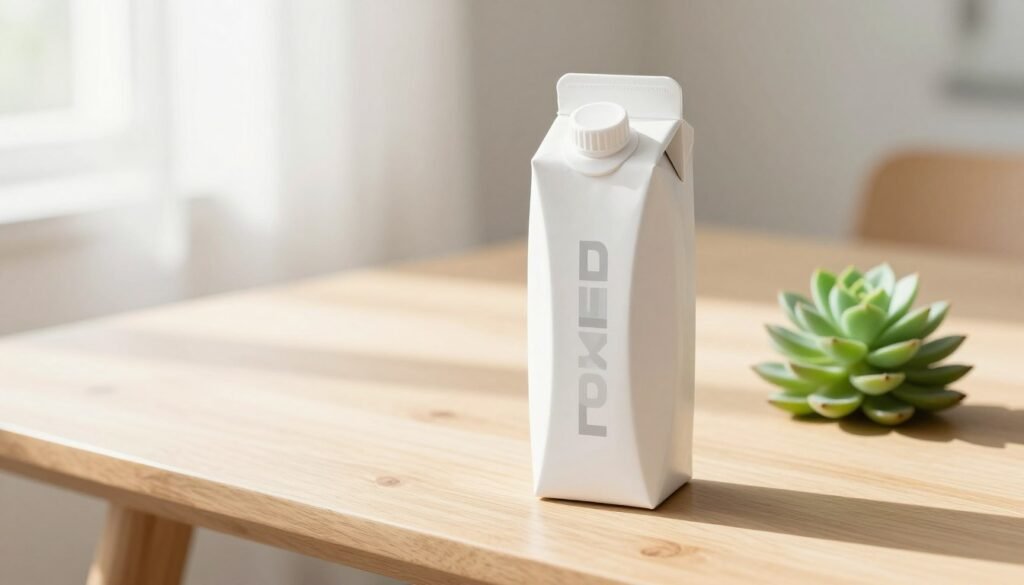
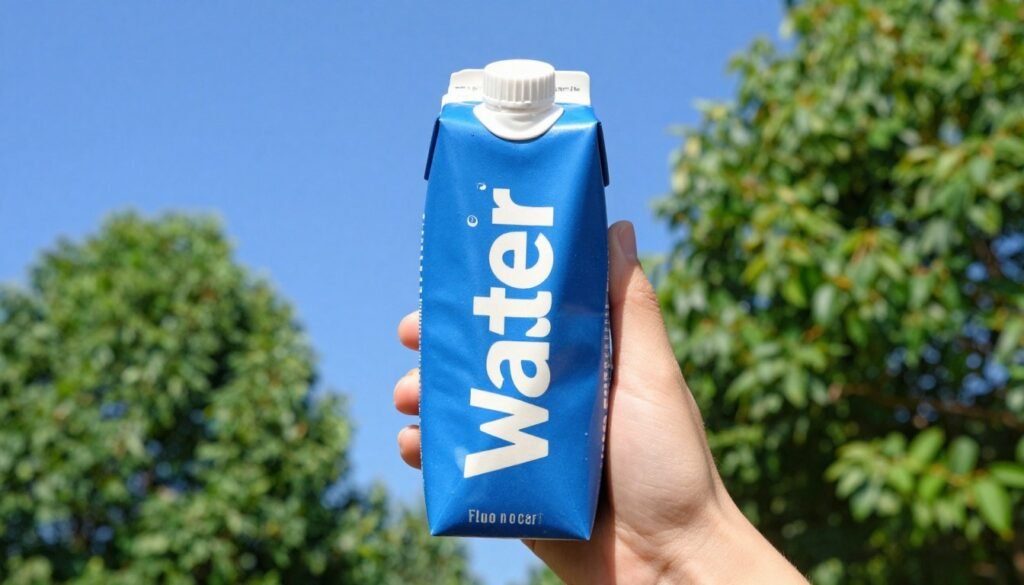
Boxed Water

Boxed Water Is Better provides a clean alternative to the standard bottled water market. They use an advanced purification process to ensure every drop is safe for your family. This multi-stage process includes carbon filtration and high-tech reverse osmosis.
The team also uses UV light and ozone disinfection to eliminate potential bacteria. Independent tests show the water has a slightly acidic pH of 6.4. It also features an extremely low TDS of only 2 ppm.
This low mineral count proves the high quality of their rigorous purification system. The source of the liquid is usually kept local to the specific filling plant. This reduces the total energy needed for long-distance trucking and shipping.
The BPA-free box consists of 76% paper from well-managed forests. This innovative design helps significantly reduce the environmental footprint compared to a traditional bottle. It is a smart choice for those who prefer highly purified, clean water while using less plastic.
The sturdy container keeps the contents fresh during transport and storage. It offers a reliable way to enjoy spring water alternatives without the heavy environmental toll. Most people find the paper-based design much easier to store in a crowded refrigerator.
Just Water in Plant-Based Bottles

Just Water sources its liquid from the Glens Falls Watershed in upstate New York. This source provides an abundance of natural spring resources for the local community. The company pays a premium price for the excess spring water they use.
This arrangement supports the local economy while effectively preventing water waste. The brand uses a unique bottle made mostly from renewable paper and sugarcane. This specific composition includes 54% paper and 34% plant-based materials.
These production choices lead to 74% less carbon emissions than standard manufacturing methods. Choosing this natural spring product helps you lower your total carbon footprint effortlessly. It is a great alternative to the classic bottled water choice found in stores.
The plant-based plastic used in the cap further reduces the global reliance on petroleum. This spring water stays fresh and pure inside the innovative and recyclable carton. It proves that a bottle can be both safe and sustainable for future generations.
The brand sets a high bar for environmental responsibility in the modern industry. Independent lab tests confirm the water meets all safety standards for daily consumption. This ensures you never have to choose between your health and the health of the planet.
Sparkling Water Brands Tested by Consumer Reports
Independent testing by Consumer Reports offers a clear view of what is inside your favorite bubbly drinks. These studies look for “forever chemicals” known as PFAS in popular sparkling options. These substances stay in the body and the environment for a very long time.
Having this data helps you choose quality products for your home and family. It moves the focus from marketing to actual safety metrics. This ensures that the brands you buy meet your standards for health.
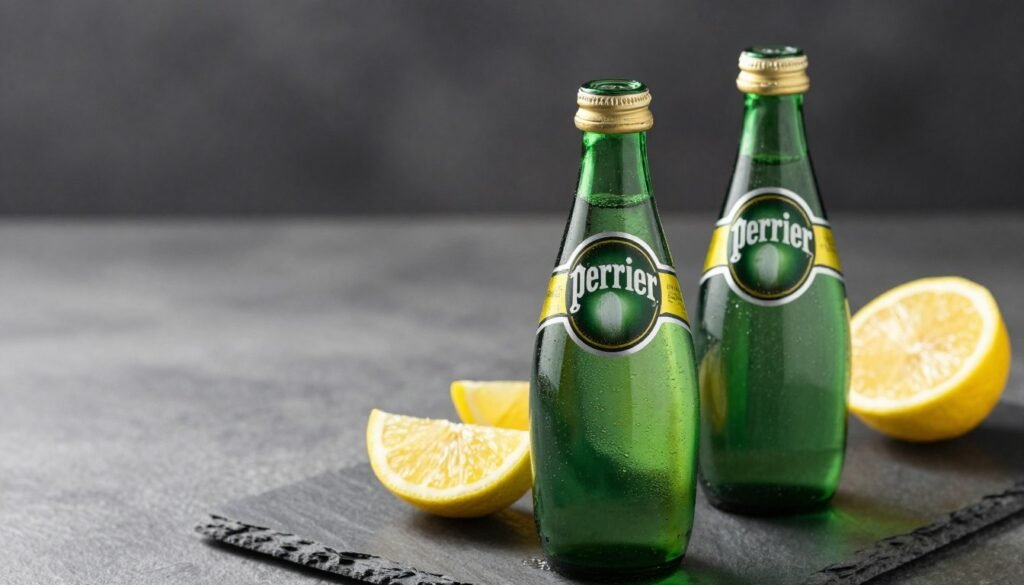
Perrier Natural Sparkling Mineral Water

Perrier has a long history, originating from a natural spring in France over 150 years ago. This heritage is backed by modern safety data that provides peace of mind for your household. As a natural spring product, it must meet strict purity standards before it ever reaches your glass.
In a recent safety test, Perrier showed a PFAS level of 1.1 parts per trillion (ppt). This is a very low amount compared to many other bottled waters on the market today. The drink features a pH of 5.0 and a Total Dissolved Solids (TDS) level of 260 ppm.
This TDS level sits just above the official mineral water threshold, confirming its mineral content. For families, this level of transparency is essential for maintaining safe drinking habits. Using third-party data ensures you are not just relying on the company’s own claims. It provides an honest look at what you are consuming every day.
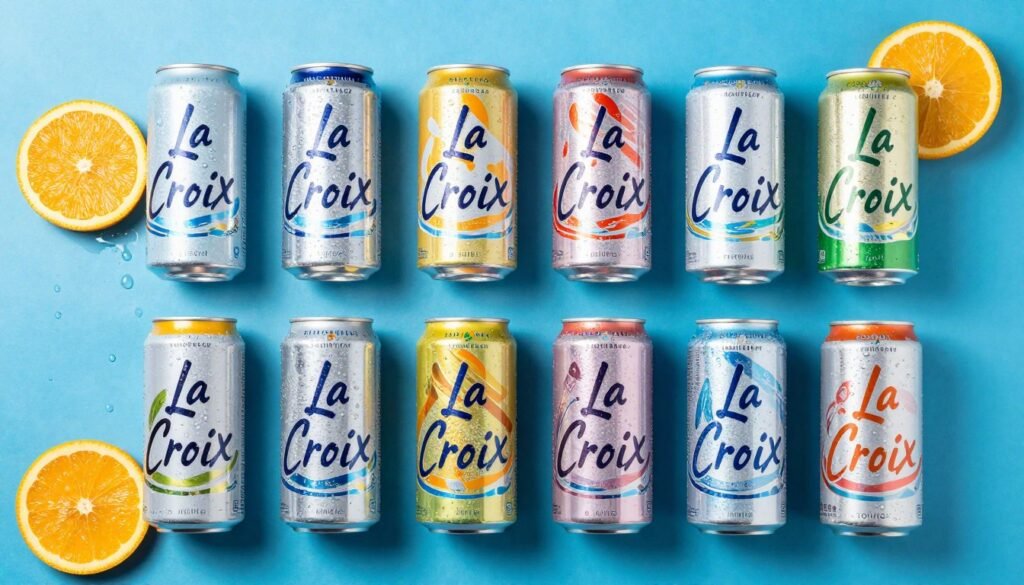
LaCroix Natural Sparkling Water

LaCroix is a favorite among flavored waters because of its wide availability and diverse options. Recent reports provide a detailed look at its chemical profile through rigorous analysis. Consumer Reports found that LaCroix contains 1.16 ppt of PFAS.
This result places it among the lower-contamination brands currently available to shoppers. For comparison, other popular waters showed much higher levels of these chemicals. Topo Chico tested significantly higher at 9.76 ppt, while Polar reached 6.41 ppt. Even other bottled waters like Bubly (2.24 ppt), Poland Spring (1.66 ppt), and Canada Dry (1.24 ppt) show higher levels.
Choosing water with lower levels is a proactive step for your long-term health. This independent consumer data ensures you can trust the quality of the products you bring home. It allows you to make informed decisions for your family. Knowing the exact levels of PFAS helps you protect your drinking habits and wellbeing every day.
Bottled Water Brands With PFAS Testing Results
When we look at the safety of modern beverages, the discovery of PFAS across numerous household names has changed the conversation on water quality. Per- and polyfluoroalkyl substances, commonly known as PFAS, are often called “forever chemicals.” These substances earn this nickname because they take an incredibly long time to biodegrade in the natural environment.
Consumer Reports conducted an extensive test to reveal how these chemicals affect the drinking water we buy. Their findings showed that even trace amounts of these synthetic compounds can pose serious health risks to consumers. Long-term exposure may lead to cancer, hormone disruption, and significant damage to the liver and immune system.
Families deserve transparent information about what is inside every bottle they purchase. While some bottled waters showed lower levels than others, the presence of any detectable “forever chemical” is a significant quality concern. Independent testing provides the information necessary to uncover contamination that manufacturers might not disclose voluntarily.
The results revealed that Topo Chico, a Coca-Cola brand popular in cities like Austin, Texas, had the highest levels at 9.76 parts per trillion (ppt). Other well-known brands like Polar and Bubly also showed detectable amounts of these substances in their water. You can find more details on what bottled water contains pfas to help you make a safer choice for your household.
Providing this information helps us understand the true quality of the water we drink every day. Even popular bottled water options like Perrier and LaCroix were not immune to these findings. Consistently checking the quality of various brands ensures you are protecting your family from hidden toxins in different bottled waters.
We must prioritize water safety by staying informed about current laboratory results. Even levels that seem small can accumulate in the body over time. Choosing a brand with non-detectable levels is the best way to ensure long-term health and safety.
| Bottled Water Brand | PFAS Level (ppt) | Contamination Rank |
|---|---|---|
| Topo Chico | 9.76 | Highest Detected |
| Polar | 6.41 | High |
| Bubly | 2.24 | Moderate |
| Poland Spring | 1.66 | Lower |
| Canada Dry | 1.24 | Lower |
| LaCroix | 1.16 | Lower |
| Perrier | 1.10 | Lowest in List |
Brands Currently Facing Testing Lawsuits
Legal battles are unfolding in the market as consumers question the safety of popular bottled water brands. Currently, six major lawsuits target companies that own household names like Arrowhead, Crystal Geyser, and Evian. These legal challenges also include Fiji, Ice Mountain, and Poland Spring.
These lawsuits stem from a 2018 study by Orb Media and the State University of New York. Scientists found microplastic pollution in 93% of the bottles across eleven different major labels. This information shocked many families who believed they were paying for absolute natural purity.
The study revealed that half of the brands tested contained more than 1,000 pieces of microplastic per liter. This suggests that the product people buy may not meet the safety standards promised on the label. Such high levels raise serious questions about the manufacturing of water containers.
Plaintiffs are seeking damages for lost money and wasted time spent on these purchases. They also cite intangible harms like stress, aggravation, frustration, and a total loss of serenity. This reflects a deeper loss of trust and confidence in the bottled water market today.
We believe families deserve accurate information when making health-conscious decisions for their homes. Legal action underscores the need for a rigorous independent test rather than relying solely on manufacturer claims. Transparency is essential for maintaining the integrity of source water.
A loss of trust often comes from poor labeling and hidden pollutants. When a company fails to provide clean water, it creates frustration for every buyer. Every one of the bottles produced should be safe for your family, and no one should have to waste time worrying about their product quality. Every drop of water matters.
| Brand Name | Targeted Company | Basis for Legal Action |
|---|---|---|
| Arrowhead | BlueTriton Brands | Microplastic contamination findings |
| Evian | Danone | Mismatch between purity claims and study |
| Fiji | The Wonderful Company | Significant microplastic particle counts |
| Poland Spring | BlueTriton Brands | Failure to meet advertised safety standards |
How to Read Water Quality Test Reports
Navigating the data within a water quality report is the first step toward true consumer confidence. These documents provide essential information about the source of your refreshment. By understanding specific metrics, we can better assess the safety of our daily drinking water.
Understanding TDS Measurements
Total Dissolved Solids, or TDS, measure the concentration of minerals and other substances dissolved in the liquid. We measure this in parts per million (ppm). A lower number generally indicates higher purity.
The EPA sets the secondary standard for refreshment at 500 ppm or less. While higher levels are not always harmful, they can affect taste. These levels also indicate how the liquid interacts with environmental surfaces before bottling.
pH Levels and What They Mean
The pH scale tells us if the liquid is acidic or alkaline. A value of 7 is neutral. Numbers below 7 are acidic, while those above 7 are alkaline. Most bottled brands aim for a balance that provides a crisp test of quality without being overly corrosive.
It is worth noting that the human body naturally maintains a blood pH between 7.37 and 7.43. Choosing a product with a compatible pH level helps maintain this delicate internal balance. Many alkaline brands market themselves specifically on this metric to appeal to health-conscious buyers.
Hardness Testing Results
Hardness measures the amount of calcium and magnesium the liquid absorbs from the ground. While these minerals are often healthy for humans, high levels can create scale buildup. This often results in a white coating on kettles or clogged coffee makers over time.
Checking for these levels provides more information about the water quality beyond simple hydration. Generally, cleaner labels with fewer listed elements suggest a highly filtered product. Understanding these parameters empowers us to evaluate reports independently rather than relying on marketing claims.
Decoding labels also involves understanding chemical symbols found on the water bottle. Usually, a shorter list suggests higher water processing. This information helps us make smarter decisions for our families’ water consumption.
| Symbol | Chemical Name | Common Source / Effect |
|---|---|---|
| Ca | Calcium | Absorbed from limestone; supports bone health. |
| Mg | Magnesium | Found in rock formations; aids muscle function. |
| Na | Sodium | Naturally occurring salt; affects overall flavor. |
| SiO2 | Silica | Volcanic water source; supports skin health. |
| F | Fluoride | Natural or added element; protects dental enamel. |
Decoding Bottled Water Labels for Safety Information
Most consumers glance at the brand name, but the real safety data resides in the technical terms on the back. Decoding this information is a vital step for finding quality drinking products that suit your needs. Understanding these terms helps you see through flashy marketing to evaluate actual treatment methods.
Natural spring water is defined as water that flows from an underground source to the surface naturally. While a natural spring sounds ideal, “artesian spring” simply means it came from a well where pressure pushed the liquid above the aquifer. This indicates the mechanics of the well rather than the purity of the water.
Labels mentioning reverse osmosis often indicate the product started as tap water. This purification process forces the liquid through a membrane to remove chemicals like chlorine and fluoride from tap water. Distilled water is boiled into vapor and condensed back to liquid to leave impurities behind, though it also lacks minerals.
Marketing often highlights “added electrolytes” to attract health-conscious buyers. These are minerals like sodium, potassium, and magnesium that carry a small electric charge. However, bottled water only provides about 2% to 3% of your daily electrolyte requirements.
Most of these essential minerals actually come from the food you eat rather than your beverage. Understanding this information helps you look past claims that are less meaningful than they appear. It allows you to focus on the actual source and treatment of your drinking supply.
By reading every label, you can make better decisions for your family’s health and wellbeing. You will find that the best information is often hidden in the smallest text on the bottle. Always look for spring origins or purification information to ensure you are getting the safest water available in any bottled water package. Choosing a pure spring product requires looking at the fine print first.
How to Verify Independent Testing Claims Yourself
If you want to know what is actually in your drink, you must look beyond the glossy marketing labels used by many bottled water brands. The best way to start is by researching if specific water brands provide real lab results on their websites. Avoid companies that only offer vague statements about their water quality without showing the data.
Instead, look for information from third-party databases like Consumer Reports. These organizations publish independent analysis of popular drinks and highlight contaminants that might be hidden. Accessing these reports allows you to see how your favorite brands compare to safety standards without relying on manufacturer advertisements.
A more direct way to find the truth is to test the water yourself using professional services. Tap Score offers accessible laboratory analysis that provides professional-grade verification of manufacturer claims. You can use code PRETTYORGANICGIRL to get $10 off orders of $100 or more to analyze your hydration source.
When you examine a published report, check the laboratory accreditation and the date of the analysis. Look for numerical quality data rather than simple pass or fail marks. You should also distinguish between paid marketing certifications and truly independent testing conducted by organizations with no financial relationship to the maker.
For those researching health claims, scientific information is vital. For example, studies show that pH 8.8 alkaline water can denature pepsin instantly. This specific quality of the water helps people with acid reflux because it provides a strong acid-buffering capacity.
Taking these proactive steps ensures you have the right information to protect your family’s health. Verifying the source of your hydration is a smart move for any homeowner. Always choose water based on facts rather than marketing trends. This detailed information empowers you to make better choices for your daily life.
| Verification Step | What to Check | Expected Outcome |
|---|---|---|
| Review Lab Reports | Accreditation & Date | Confirmed current safety data |
| Use Independent Tools | Consumer Reports/Tap Score | Unbiased contaminant analysis |
| Verify Health Claims | pH Levels (e.g., 8.8) | Proven acid-buffering benefits |
| Check Certifications | Third-party vs. Paid | Identification of genuine testing |
Home Water Testing Kits as an Alternative

If you want to move beyond brand claims, using a home testing kit offers a data-driven approach to safety. These kits serve as a practical way for families to verify the quality of bottled water brands. You can also check your own tap water as a baseline comparison.
TDS meters are widely available and very affordable for most households. You can purchase these handheld devices to measure Total Dissolved Solids in any water source within seconds. This provides a quick snapshot of the mineral concentration in your glass.
Chemical test kits allow you to measure pH levels accurately in your own kitchen. This helps you confirm if the drinking water you buy is truly alkaline. Some products may be more acidic than the label suggests, making independent verification valuable.
Hardness kits provide detailed information about calcium and magnesium levels. Understanding these mineral counts helps you know how the water might affect your appliances. It also explains the specific taste profile you might prefer in premium brands.
To give some context, city water usually shows a pH of 7.0 and TDS of 300. In contrast, river or lake water often has a pH of 6.2 and TDS of 127. Rain water sits at a pH of 5.5 with a TDS of only 11.
Performing these checks over time helps you see if your favorite brand remains consistent. You might find that high-quality filtration at home provides results that are comparable to expensive bottled options. This comparison can save you money and reduce plastic waste.
Regular testing provides the information needed to make smart choices for your health. By gathering your own information, you ensure your tap water meets high standards every single time. Monitoring your tap water allows you to rely on data rather than marketing.
Conclusion
Independent lab results reveal that not all bottled water brands maintain the same safety standards. While some products show high purity, a number of others contain trace contaminants. Natural spring water from a verified source often offers higher quality than treated tap options.
However, no product can claim absolute perfection. Leading brands prioritize transparency by sharing regular test results with the public. It is a fact that independent data from groups like Consumer Reports provides more reliable information than glossy marketing ads.
In any case, choosing drinking water involves balancing safety with environmental impact. Many households now use home filtration to ensure consistent quality and long-term value. Sustainable packaging is also more available than ever for those on the move.
By accessing the right information, you can select bottled water and find the safety information needed for a healthy water supply. Informed consumers who understand these results make choices that protect their families and their values.
FAQ
How can I find the quality reports for a specific drinking water?
Does Fiji Natural Artesian liquid undergo external verification?
Which filtration methods do Aquafina and Dasani use to ensure purity?
Do concerns exist regarding PFAS in Perrier or LaCroix?
Is Mountain Valley Spring supply better than municipal tap?
Does Smartwater contain fluoride or other additives?
How does Icelandic Glacial maintain its high purity rating?
Are eco-friendly bottled water brands like Boxed or Just liquid tested?