What bottled water brands are independently tested for safety now

What bottled water brands are independently tested for safety? Discover our curated list of verified, high-quality options for your home and family today.
Bottled water safety isn’t verified by the company that sells it — it’s verified, or not, by outside auditors: NSF International’s certification program, International Bottled Water Association (IBWA) membership audits, state health department lab testing, and independent testing from groups like Consumer Reports. The short answer is that the brands worth trusting are the ones carrying an NSF or IBWA mark and making an actual water-quality report available to anyone who asks, not just a marketing page.

Some links below are affiliate links. If you buy through them we may earn a commission at no extra cost to you. See our Affiliate Disclosure.

That distinction matters because federal law sets a safety minimum, not a transparency requirement. A brand can be fully legal while disclosing almost nothing beyond what’s printed on the label. This guide focuses specifically on who checks bottled water claims from the outside, what each certification actually covers, and how to confirm a brand’s claims for yourself rather than taking any logo at face value.

Who independently tests bottled water?

Several outside checks exist for bottled water, and they carry very different weight depending on who runs them.

  • The FDA sets the federal safety floor for bottled water and can inspect plants, but day-to-day testing is largely left to each company’s own records. The current rules are published at fda.gov.
  • State health departments run their own lab testing on bottled water sold within their borders, separately from federal oversight, and some publish the results publicly.
  • The IBWA requires every member company to pass an annual, unannounced plant inspection performed by an independent third-party inspector — not a scheduled audit the company can prepare for. Details are at bottledwater.org.
  • NSF International runs a separate certification program that tests both the finished water and the bottling facility, unconnected to any bottled water trade group. More at nsf.org.
  • Independent journalism and academic research — Consumer Reports has lab-tested bottled and sparkling water for contaminants such as PFAS, and university researchers working with Orb Media tested for microplastics across multiple countries and brands in a widely cited 2018 study.

Municipal tap water answers to a different regulator entirely — the EPA, through the Safe Drinking Water Act, with its own testing and public-reporting requirements. See epa.gov/sdwa. That mismatch is part of why bottled and tap water get compared inconsistently.

None of these checks are mutually exclusive. A brand can hold IBWA membership, seek NSF certification for a specific facility or process, and still show up in a Consumer Reports test — the more overlapping sources point the same direction, the more confidence you can reasonably place in a claim.
A close-up view of a collection of various bottled water brands displayed on a sleek, modern table, symbolizing a testing scenario. The foreground features a meticulous arrangement of the bottles, showcasing labels with distinctive designs—some featuring purity symbols, while others hint at origins like springs or glaciers. In the middle ground, a clear glass filled with pristine water reflects light, suggesting transparency and freshness. The background is softly blurred, hinting at a laboratory-like setting with subtle scientific equipment like beakers and test tubes illuminated by soft, cool lighting. The overall mood conveys tension and scrutiny, invoking a sense of investigation into the safety of these brands. The scene is captured with a shallow depth of field, emphasizing the bottled water while retaining an environment of seriousness and professionalism.

What does NSF certification actually mean?

An NSF mark on a bottle means the product and the facility that made it were evaluated against NSF/ANSI 305, the bottled water treatment and quality standard, or a related NSF protocol. That involves on-site facility audits, product testing against contaminant limits, and annual re-verification — a company can lose the mark if it stops complying.

IBWA certification is a separate system built around the group’s Model Code, which is generally stricter than baseline FDA rules on source protection, bottling hygiene, and label accuracy, backed by that unannounced annual inspection. A brand can carry one of these marks, both, or neither. The absence of a logo doesn’t automatically mean an unsafe product, but it does mean you’re relying on the company’s word rather than a documented third-party check.

Neither certification tells you exactly what was found in a specific bottle, though — that’s a question of test methodology, not certification status. For a breakdown of what each type of water test actually measures — TDS, pH, microbial, chemical panels — see our guide to the 5 types of water quality tests.

It’s also worth distinguishing genuine certification from self-created seals. Some labels carry badges the manufacturer designed itself — a green leaf, a checkmark, the word “certified” with no named certifying body attached. A real NSF or IBWA mark can be verified against a public member or certification list; a house-made badge cannot.
A detailed arrangement of various bottled water labels displayed prominently in the foreground, showcasing different brands that emphasize safety information. Each label should be visually distinct, including symbols for independent testing certifications, pH levels, source location, and mineral content. In the middle ground, a subtle, blurred background of a modern, cleanwater facility with soft lighting creates a professional atmosphere. The image is illuminated by natural light, highlighting the clarity of the water bottles and emphasizing the trustworthiness of the labels. The overall mood is informative and reassuring, evoking a sense of reliability and safety in bottled water consumption.

Which brands publish their test results?

Coverage and transparency vary a lot by brand. What follows is what each company states publicly about independent verification — treat these as company claims worth checking yourself, not guarantees, using the verification steps in the next section.
Spring and artesian brands

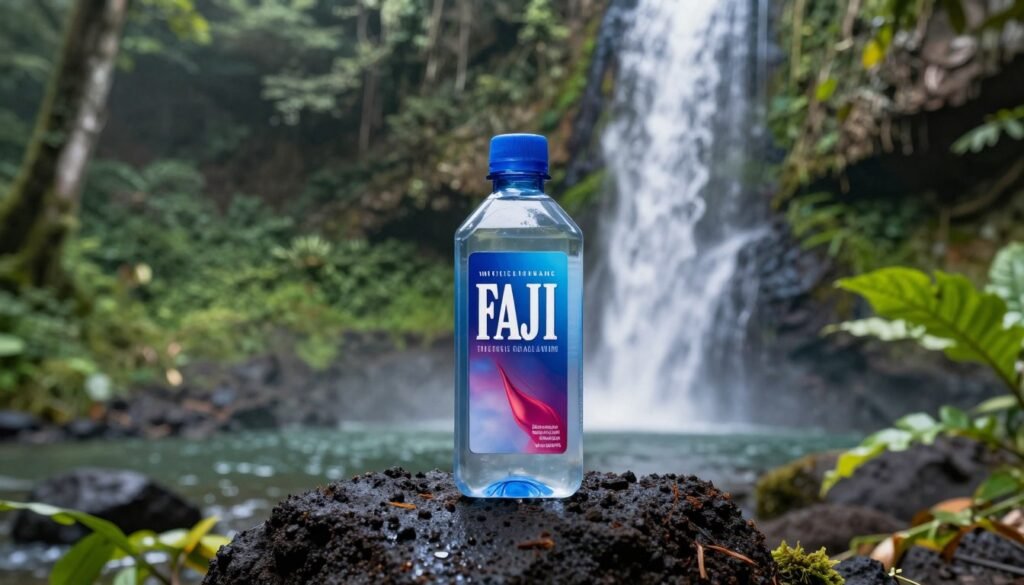
A square plastic bottle of Fiji water sitting on a volcanic rock in a lush tropical jungle with a waterfall in the background, professional photography, high resolution, soft natural lighting.
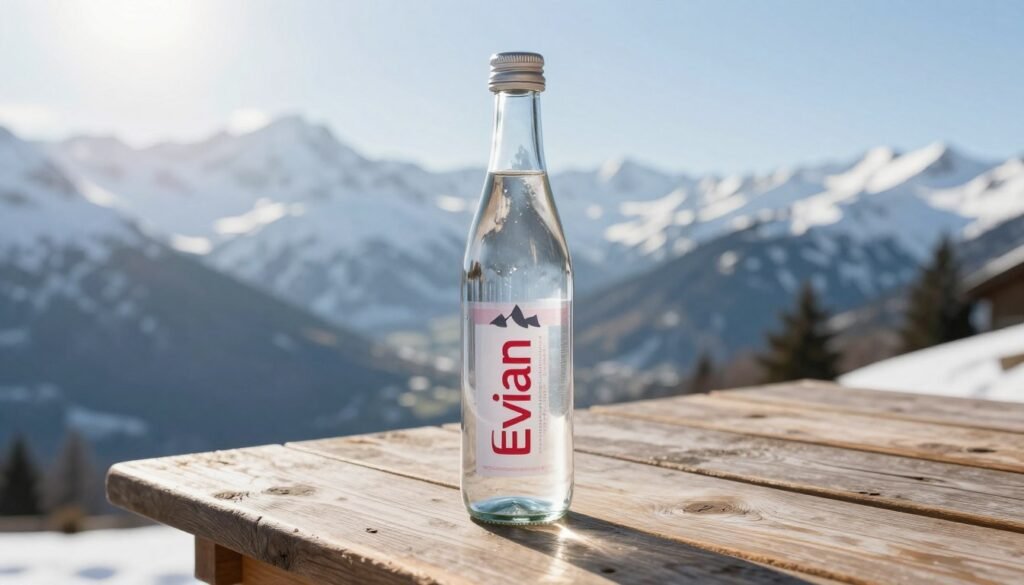
A clear glass bottle of Evian water on a rustic wooden table with the snow-capped French Alps in the distance, bright morning sunlight, 4k resolution.
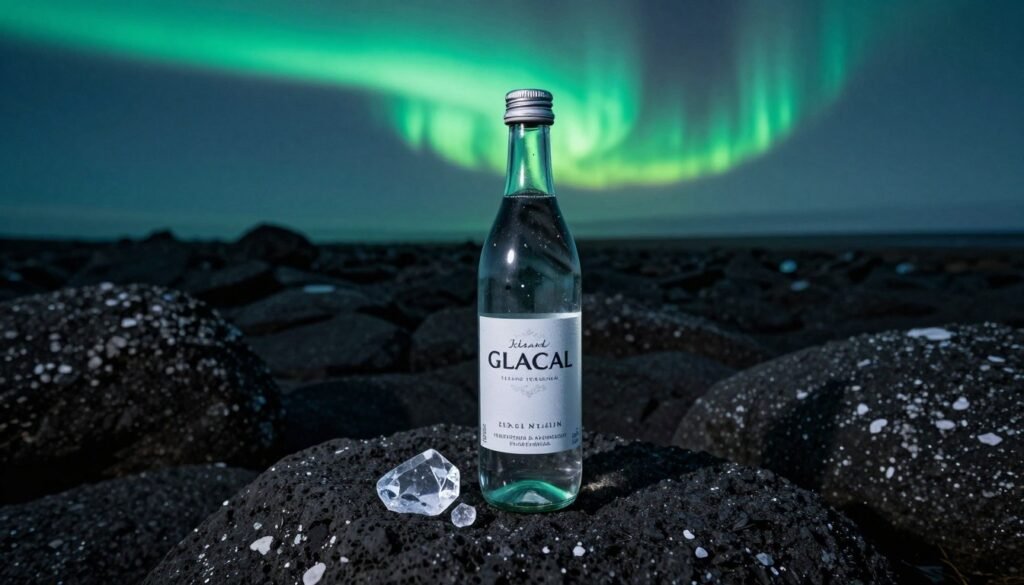
A bottle of Icelandic Glacial water standing on a black lava rock field under the vibrant green Northern Lights, crystal clear focus, cinematic lighting.
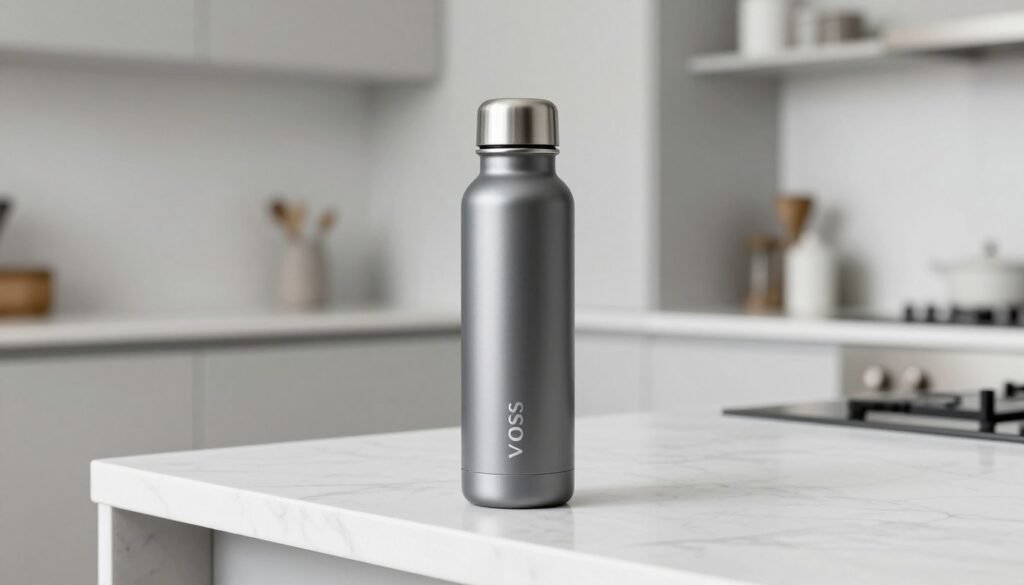
A sleek cylindrical Voss water bottle on a minimalist white marble countertop in a modern Scandinavian kitchen, clean lines, high-end lifestyle photography.
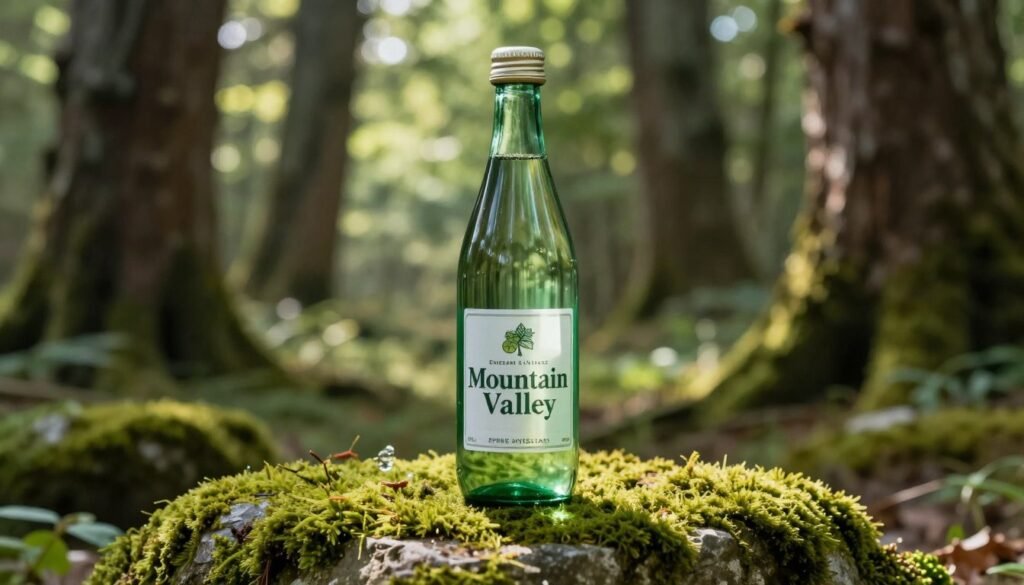
A classic green glass bottle of Mountain Valley spring water in a lush forest setting with sunlight filtering through old-growth trees, peaceful atmosphere.

  • Fiji Natural Artesian Water — states its source is tested for hundreds of organic and inorganic parameters and holds IBWA membership.
  • Evian — owner Danone publishes annual water-quality summaries, and the source must clear both EU and FDA limits before export.
  • Icelandic Glacial — an IBWA member; the company says its Ölfus Spring source is tested regularly for industrial contaminants.
  • Voss — states its Norwegian source is tested, though it publishes less detailed public data than several competitors.
  • Mountain Valley Spring Water — an IBWA member bottling since 1871; the company provides quality summaries to customers who request them.

Spring and mineral water labeling rules are a common source of confusion — see our comparison of spring water vs. mineral water for what each term legally requires.
Alkaline brands

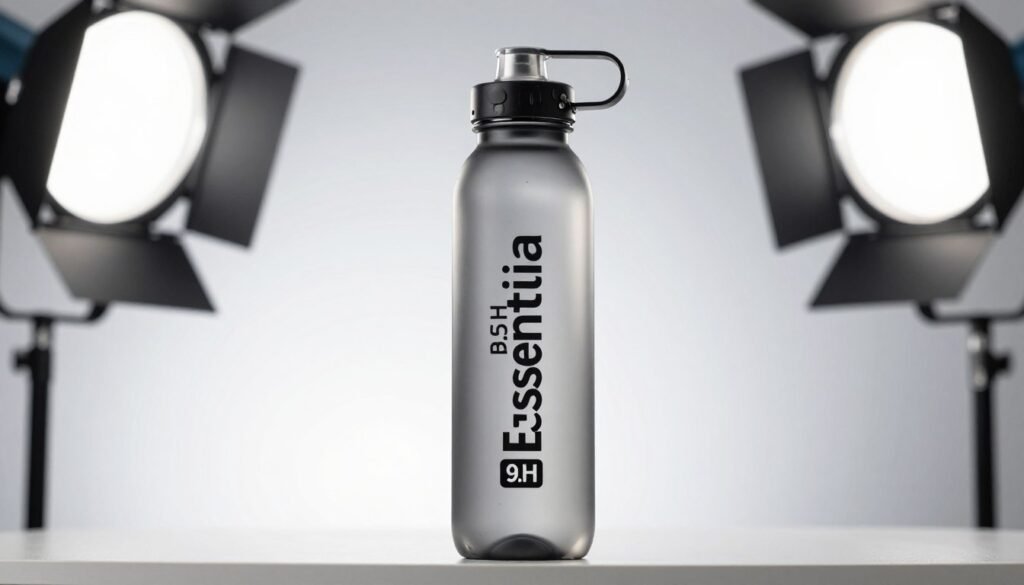
High-end product photography of an Essentia water bottle, sharp focus on the 9.5 pH label, bright studio lighting, minimalist background, 8k resolution.
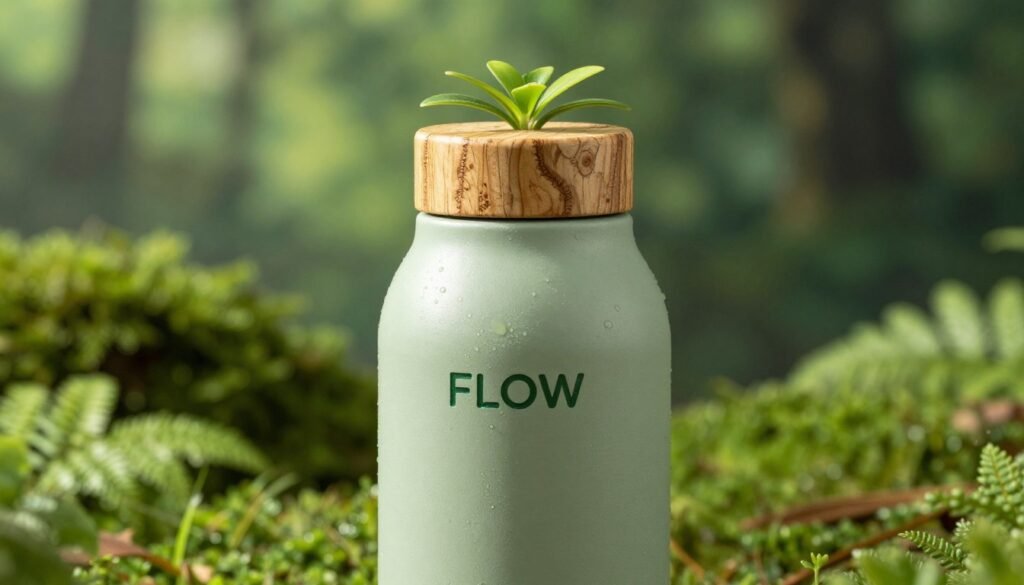
Eco-friendly Flow water carton in a lush green forest setting, natural sunlight hitting the plant-based cap, professional photography, high detail.
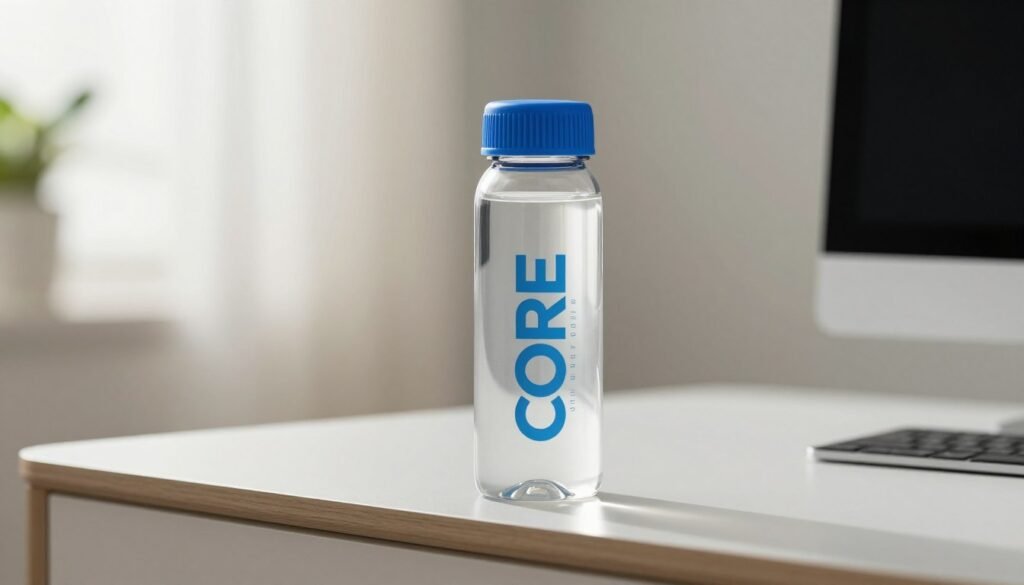
A Core Hydration bottle with its signature blue cap, standing on a sleek modern desk with soft bokeh background, sharp 8k resolution, commercial style.

  • Essentia — states it is NSF-certified for its ionization process and publishes a water-quality report covering its municipal source and treatment.
  • Flow Alkaline Spring Water — an IBWA member; states its naturally alkaline artesian source is tested regularly by independent labs.
  • Core Hydration — says third-party labs verify its seven-stage purification process, though it publishes less detailed data than some peers.

Purified brands

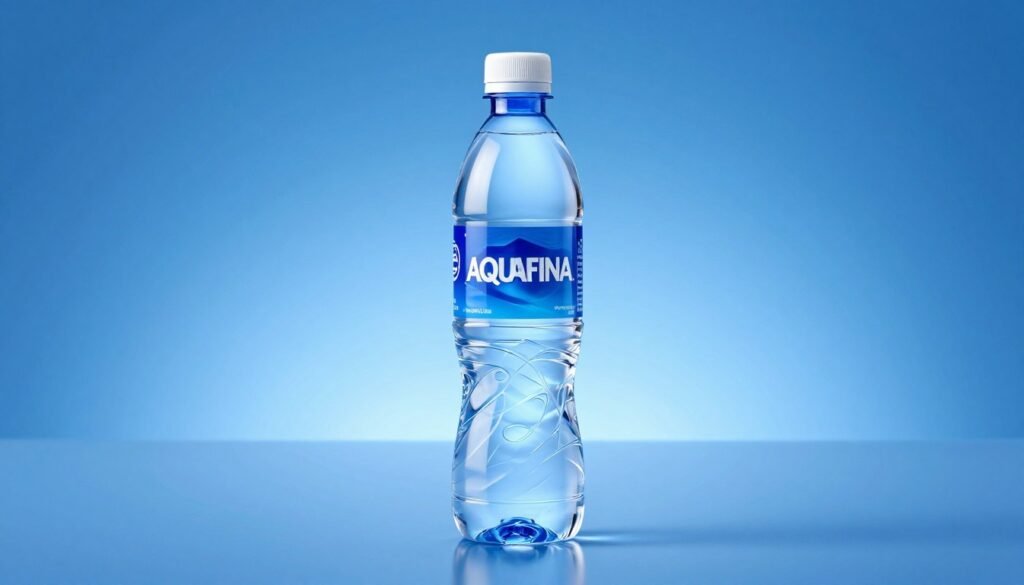
A clear plastic bottle of Aquafina water standing on a blue reflective surface, bright studio lighting, highlighting the purity of the liquid inside.
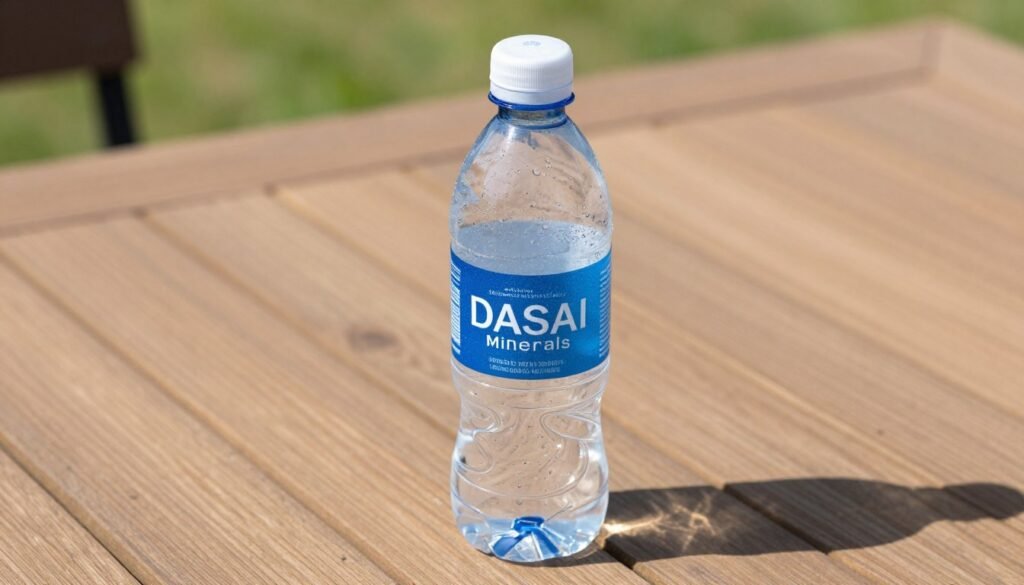
A bottle of Dasani water with condensation on the outside, sitting on a wooden table outdoors on a sunny day, showcasing added minerals.
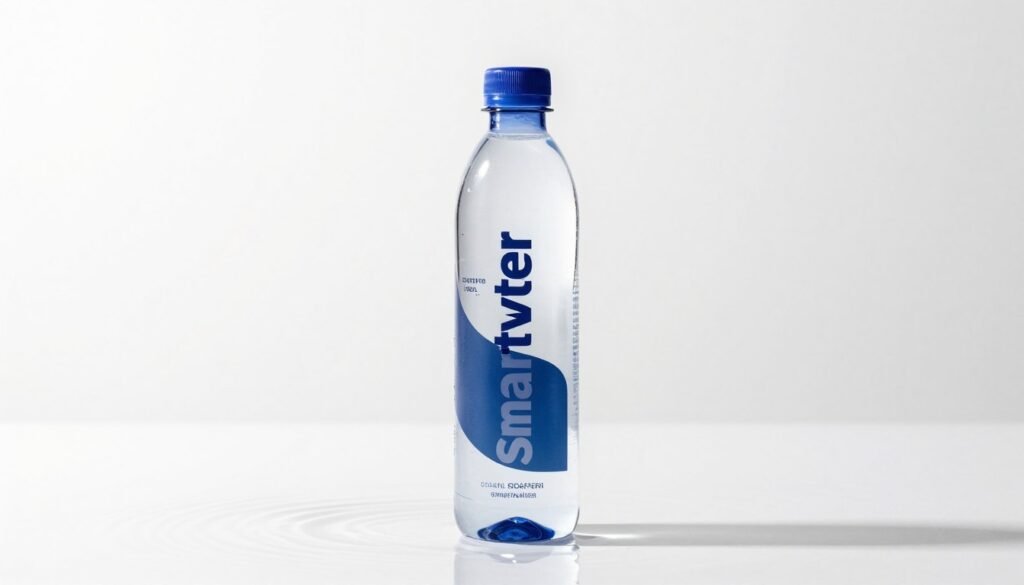
A sleek, tall Smartwater bottle with a minimalist label, floating in a clean, white space with subtle water ripples in the background.
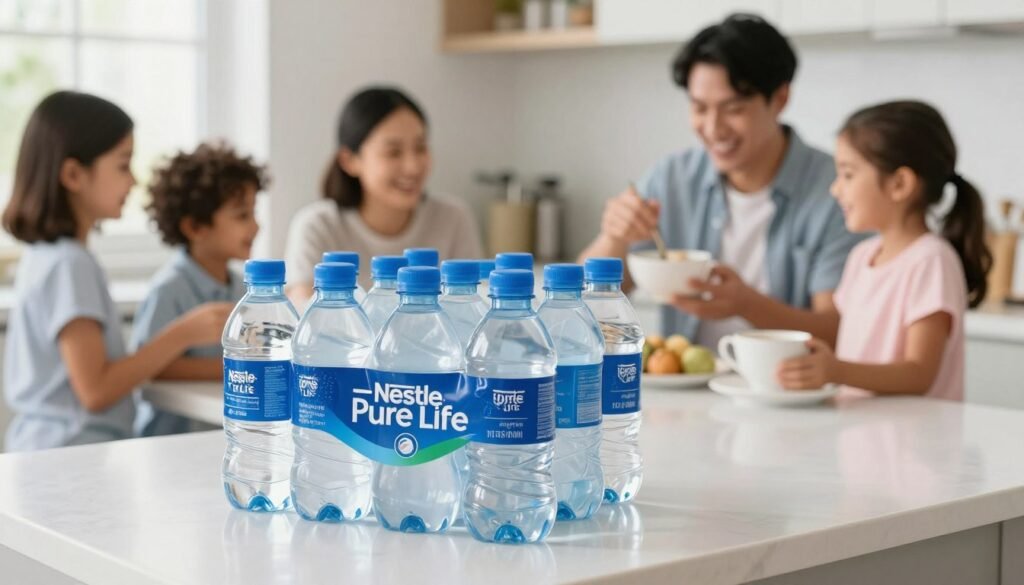
A multi-pack of Nestle Pure Life water bottles in a family kitchen setting, emphasizing daily hydration and accessibility.

  • Aquafina (PepsiCo) — the company states Aquafina meets FDA bottled water standards, with routine internal and regulatory testing of its reverse-osmosis process.
  • Dasani (Coca-Cola) — Coca-Cola is an IBWA member; Dasani’s municipal source water is subject to EPA-mandated testing before treatment.
  • Smartwater (Coca-Cola) — covered by the same IBWA membership as Dasani; uses municipal source water and vapor distillation.
  • Nestle Pure Life (Nestle Waters/BlueTriton) — a longtime IBWA member, subject to the group’s annual unannounced facility inspections.

Eco-conscious brands

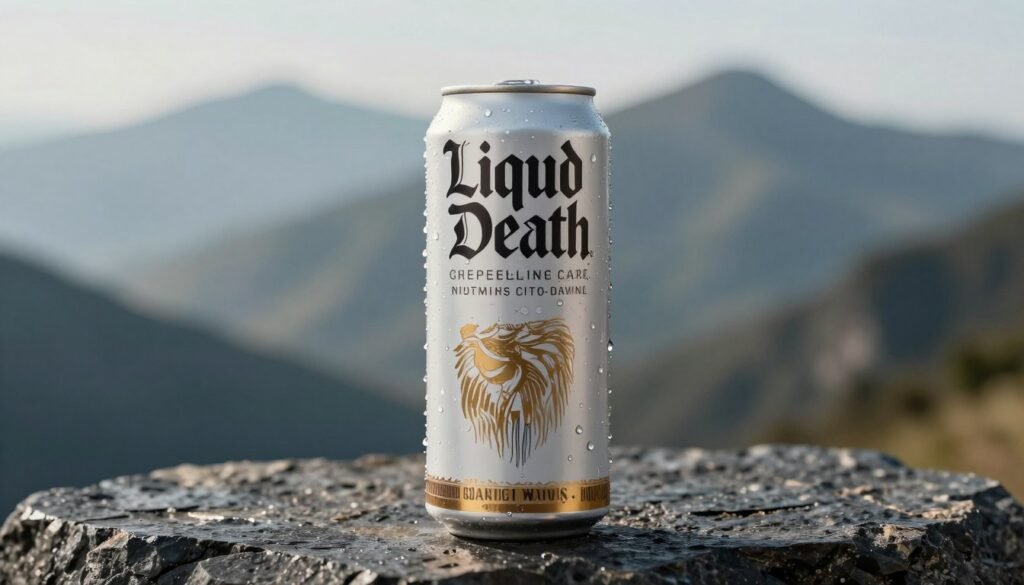
A high-resolution, professional studio shot of a tall, matte-finish Liquid Death aluminum can with condensation droplets, placed on a dark, textured stone surface with mountain peaks visible in the soft-focus background.
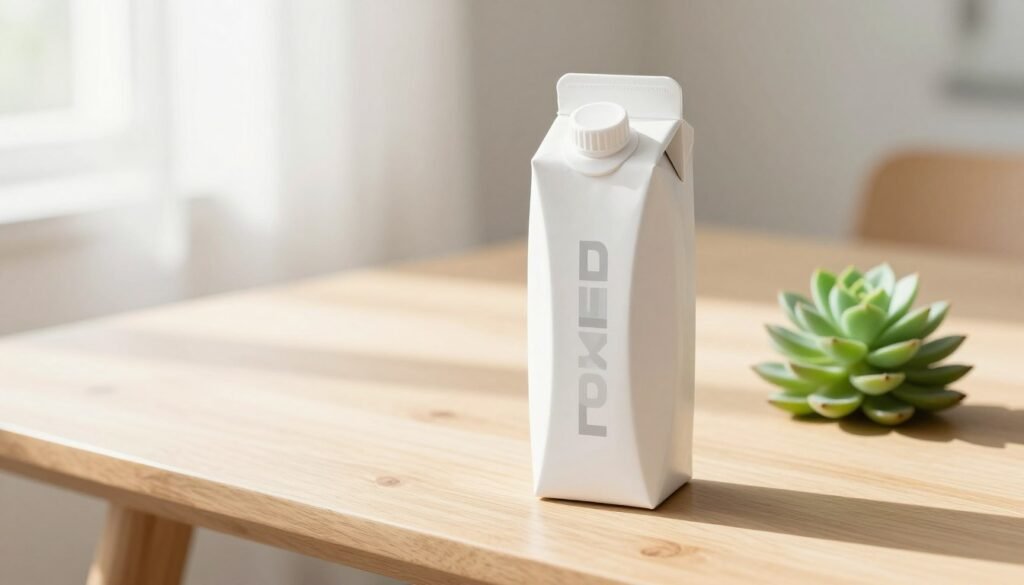
A minimalist, bright lifestyle photograph of a white Boxed Water carton sitting on a clean wooden table next to a small green succulent plant, captured in soft morning sunlight.
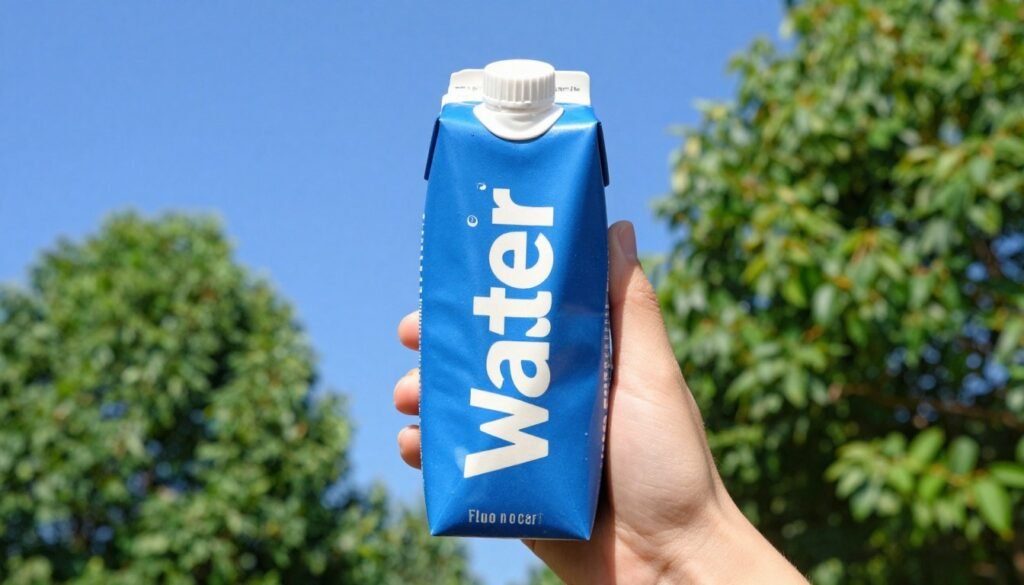
A vibrant outdoor photo of a blue Just Water carton being held against a clear blue sky, with lush green trees in the background, emphasizing eco-friendly and plant-based packaging.

  • Liquid Death — sources from protected Idaho and Virginia aquifers; states its water meets FDA standards, though it is not a listed IBWA member.
  • Boxed Water Is Better — says its multi-stage purification, including UV and ozone disinfection, is checked through routine internal and third-party lab testing.
  • Just Water — sourced from the Glens Falls Watershed; states its spring water is independently lab-tested and meets FDA safety standards.

Sparkling brands

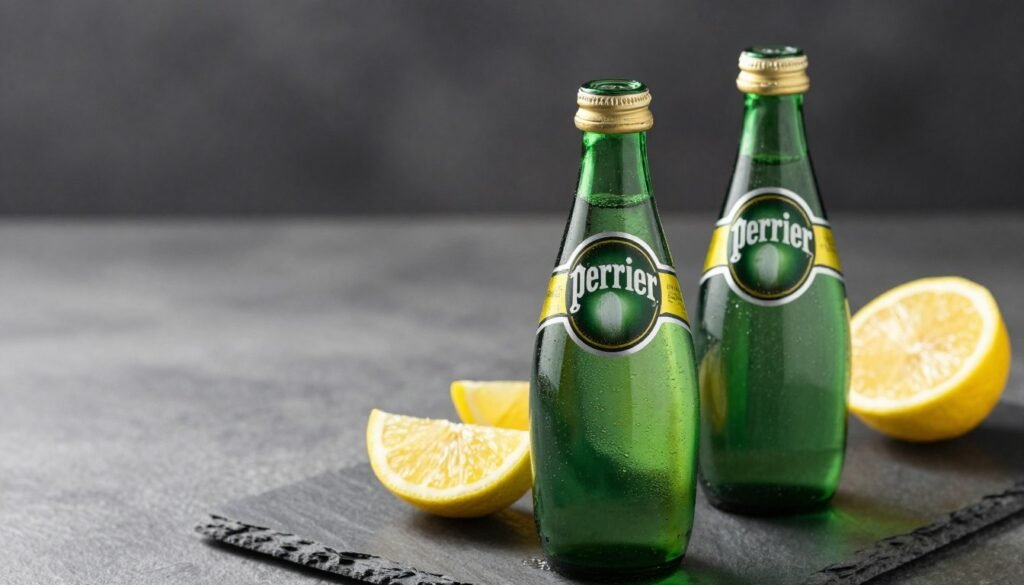
A professional studio photograph of a classic green glass Perrier bottle on a slate surface, surrounded by sparkling bubbles and fresh lemon wedges, soft natural lighting.
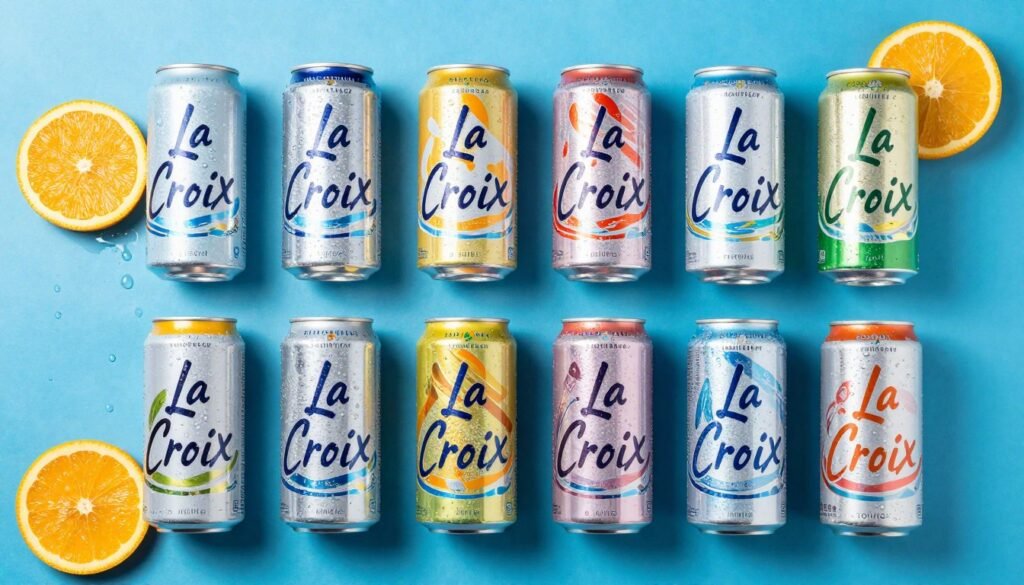
A bright and colorful flat lay of several LaCroix cans in different flavors on a blue background, decorated with citrus fruit slices and water droplets for a refreshing feel.

Consumer Reports has run independent PFAS testing on several sparkling water brands, including Perrier and LaCroix, finding measurable but varying levels of these “forever chemicals” across the category — a reminder that even a source with a long safety track record isn’t automatically PFAS-free. Perrier is regulated as a natural mineral water under FDA rules; LaCroix is a flavored sparkling water without a natural mineral water designation.

For a full ranked comparison that weighs testing, source, and overall safety record together, see our guide to the safest bottled water brands in America. If taste and popularity matter more to you than certification paperwork, our top 5 drinking water brands guide covers that instead.
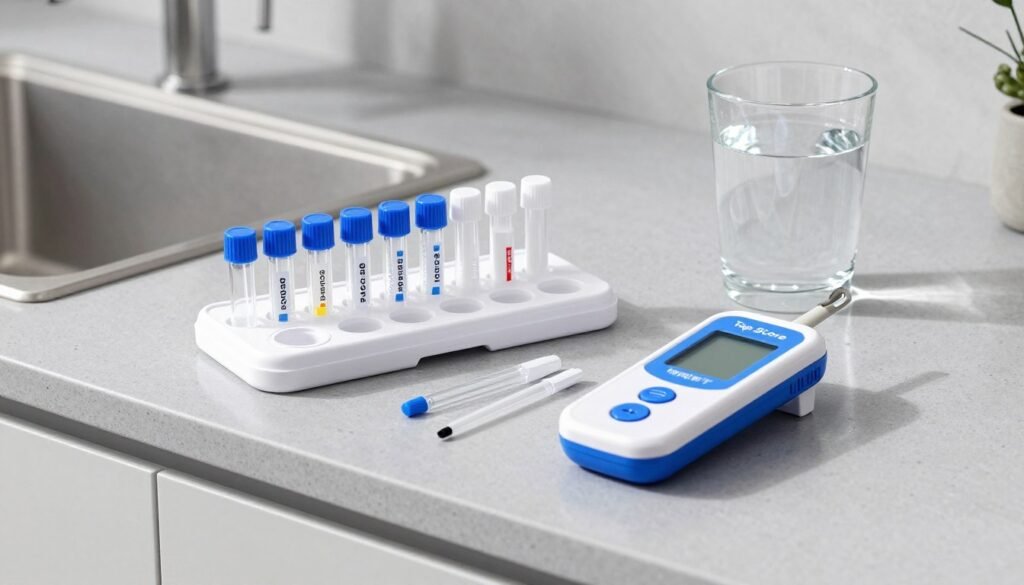
How do you verify a brand’s claims yourself?

A professional-grade Tap Score water testing kit with various vials and a digital meter arranged neatly on a modern kitchen countertop next to a glass of crystal clear drinking water.

You don’t have to take any brand’s word for it. A short checklist:

  1. Search the brand’s own site for a “water quality report” or “Consumer Confidence Report.” Reputable companies post one or will provide it on request.
  2. Look for an IBWA or NSF mark on the label, then confirm it independently at bottledwater.org or nsf.org rather than taking the logo at face value.
  3. Check whether the report names an accredited lab and a testing date. A report with neither is closer to marketing copy than a real result.
  4. Cross-check against independent coverage, such as Consumer Reports’ published testing, instead of relying on the brand alone.
  5. If you want your own numbers, a mail-in lab kit can test a bottle — or your tap water — against the same health-based benchmarks professional labs use.

None of this requires expertise, just a few minutes and a willingness to look past the label. A brand that makes its data hard to find, buries it in a PDF nobody links to, or answers a request with vague reassurance instead of numbers is telling you something too — even if nothing on the label is technically false.

Compare it against your actual tap water

Bottled water isn’t automatically safer than what’s already in your kitchen — it depends entirely on your local supply, and on the bottle. The only way to know which is better in your case is to measure the one you already pay for. A certified lab test gives you the baseline to compare against.

FAQ

What is NSF/ANSI 305 certification?

It’s the NSF standard covering bottled water treatment and quality. Certified products and facilities are audited on-site and tested against contaminant limits, with annual re-verification required to keep the mark — a brand that stops complying loses the certification, not just the risk of a fine.

Does the FDA test every bottled water brand?

No. The FDA sets the regulatory floor and can inspect facilities, but it does not routinely lab-test every product on shelves the way a certification body or Consumer Reports does. Most day-to-day compliance checking relies on the manufacturer’s own records. Details are at fda.gov.

Does IBWA membership guarantee a brand is safe?

It means the company agreed to an annual unannounced inspection and the group’s Model Code, which exceeds baseline FDA rules in several areas, including source protection and bottling hygiene. It’s a meaningful signal, not an absolute guarantee — check the specific report when you can rather than relying on membership alone.

How do I request a brand’s water quality report?

Start with the company’s website; many post a report or Consumer Confidence Report directly, often in the FAQ or sustainability section. If you can’t find one, contact customer service and ask specifically for the most recent third-party lab results, including the lab name and testing date.

Is state lab testing different from EPA tap water rules?

Yes. The EPA regulates tap water under the Safe Drinking Water Act (see epa.gov/sdwa), while bottled water falls under FDA rules; state health departments can also run their own separate testing programs on bottled products sold locally, independent of both federal agencies.

Sources

Leave a Reply

Your email address will not be published. Required fields are marked *