
Beautiful Plants For Your Interior

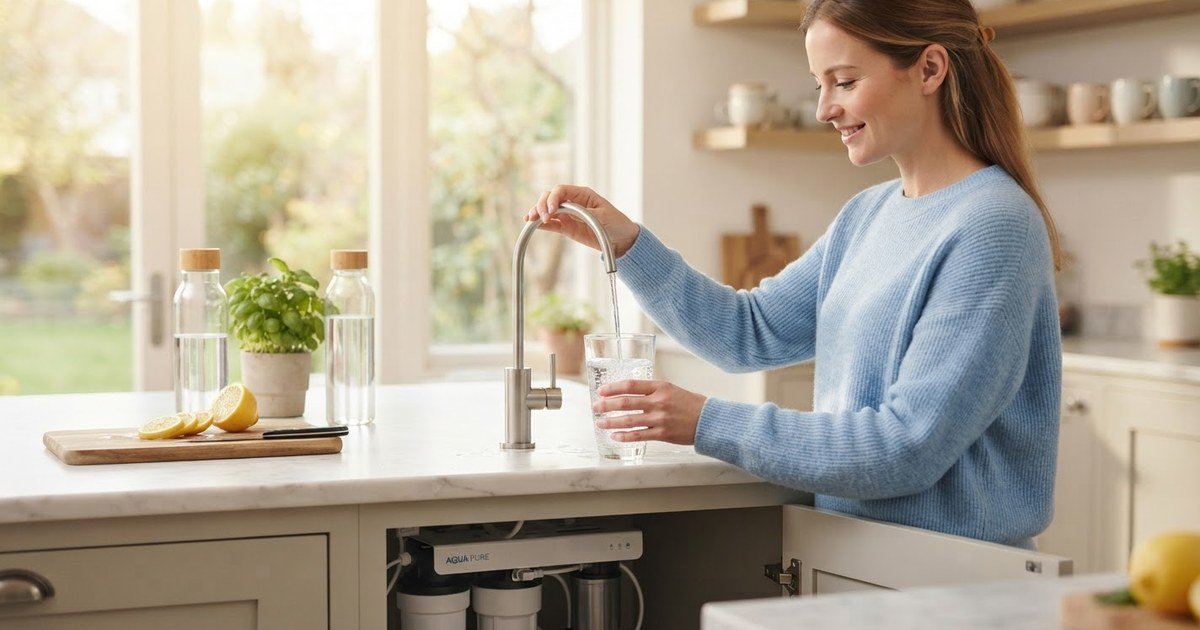
If you don’t drink enough water on a GLP-1 medication, mild dehydration usually comes first — dark urine, dry mouth, headaches, fatigue, dizziness, and constipation. Because drugs like semaglutide (Ozempic, Wegovy) and tirzepatide (Mounjaro, Zepbound) blunt appetite and can cause nausea, vomiting, and diarrhea, it is easy to fall behind on fluids without noticing. Left unchecked, that dehydration can escalate to more serious problems, including acute kidney injury — a risk the U.S. Food and Drug Administration now flags on the label of every GLP-1 receptor agonist.
Some links below are affiliate links. If you buy through them we may earn a commission at no extra cost to you. See our Affiliate Disclosure.
Some links below are affiliate links. If you buy through them we may earn a commission at no extra cost to you. See our Affiliate Disclosure.
GLP-1 receptor agonists work partly by slowing how fast your stomach empties and turning down appetite signals in the brain. That is great for eating less, but it has a side effect people rarely plan for: you also drink less. When food and drink no longer feel appealing, the water you used to get from meals, coffee runs, and casual sipping drops off — often without any obvious thirst to remind you.
On top of that, the most common early side effects of these drugs are gastrointestinal: nausea, vomiting, and diarrhea. Each of those actively pulls fluid out of your body. Vomiting and diarrhea can drain water and electrolytes quickly, while nausea makes the idea of chugging a glass of water feel worse, not better. The result is a slow, compounding fluid deficit that many people mistake for “just a side effect of the medication.”
This is why hydration is a recurring theme across our water for weight loss and GLP-1 guides. Staying ahead of your fluids is one of the few side-effect strategies that is completely in your control.
Your body sends signals long before dehydration becomes dangerous. According to the Mayo Clinic and NIH clinical references, the common early and moderate signs include:
Older adults are especially vulnerable because the thirst response weakens with age, so confusion or unsteadiness can be an early clue rather than obvious thirst. A quick, low-tech gauge that works for most people: check your urine color. Pale straw is the target; anything approaching apple-juice color means it is time to drink.
Mild dehydration is uncomfortable. Persistent dehydration on a GLP-1 is where it gets medically serious. The FDA has updated the prescribing information for GLP-1 receptor agonists — including the tirzepatide label for Zepbound — to warn that these medications have been associated with acute kidney injury. In the postmarketing reports, the majority of those kidney events occurred in people who had nausea, vomiting, or diarrhea that led to dehydration, and some cases were severe enough to require dialysis.
The chain of events is straightforward: GI side effects cause fluid loss, low fluid volume reduces blood flow to the kidneys, and kidneys under-supplied with blood can start to fail. This is exactly why prescribing guidance advises people to watch for signs of dehydration and to contact their clinician at the first sign of trouble rather than pushing through it. Chronic under-hydration also worsens the constipation, gallbladder strain, and low energy that already accompany rapid weight loss.
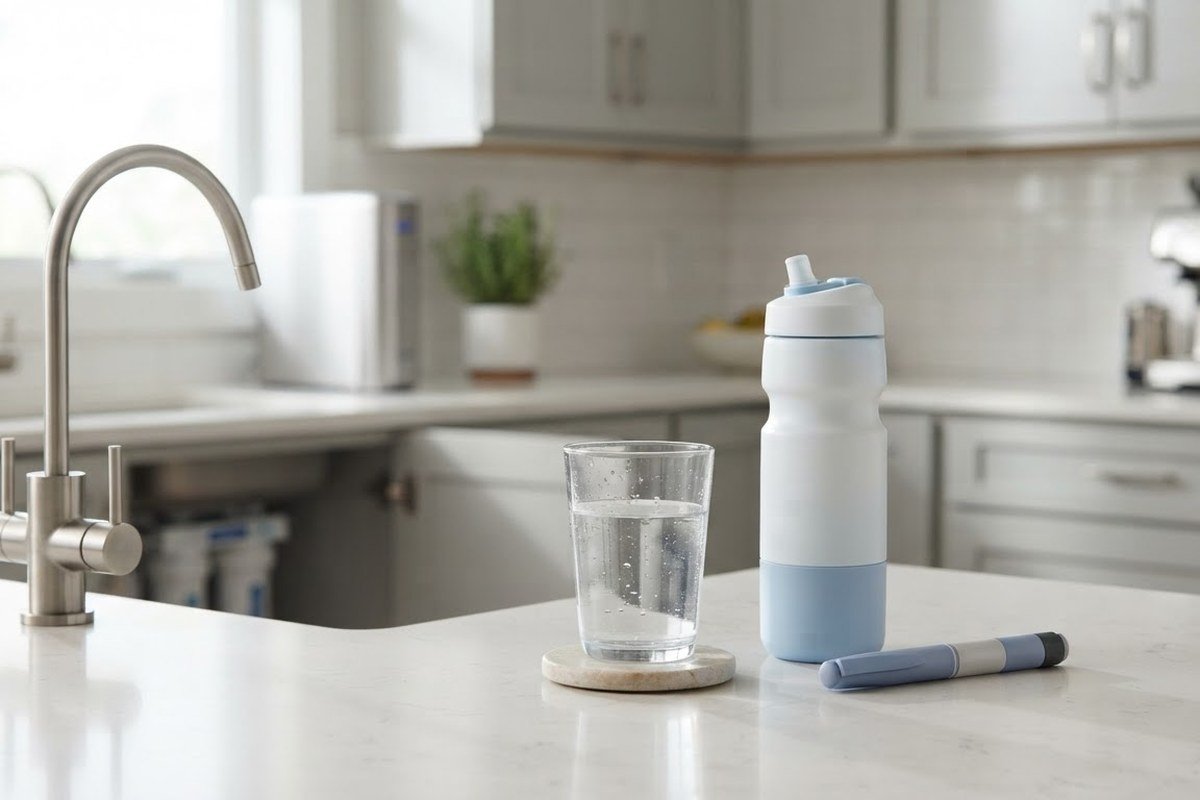
There is no GLP-1-specific fluid prescription, so the sensible baseline is the general adult target from the National Academies of Sciences, Engineering, and Medicine: about 3.7 liters (125 ounces) of total water per day for men and 2.7 liters (91 ounces) for women. Important nuance — that figure includes water from food, not just what you sip. Since GLP-1 users eat less, a larger share of your daily water now has to come from beverages, which is a good argument for consciously bumping up what you drink.
A practical starting point most clinicians suggest is roughly 64–80 ounces of fluid a day, adjusted up for hot weather, exercise, or an active vomiting/diarrhea episode. If you want a dose-by-dose breakdown, our Zepbound daily ounces hydration guide walks through the numbers, and if nausea is your main barrier, this guide on water and Zepbound nausea covers gentler ways to get fluids in.
When plain water feels like a chore, strategy beats willpower. These approaches consistently help GLP-1 users stay ahead of dehydration:
Water quality matters too — if better-tasting tap water would help you drink more, it is worth knowing what is actually in your local supply. Our drinking water quality by state hub lets you check contaminants and taste issues where you live.
If you notice several warning signs at once, don’t try to fix it by gulping a liter in one sitting — on a GLP-1 that often triggers nausea and comes right back up. Instead, rehydrate slowly and steadily. Take small sips every few minutes, choose cool water or an electrolyte drink over anything carbonated or sugary, and give your slowed stomach time to absorb it. Rest in a cool spot, since heat accelerates fluid loss, and keep a marked bottle nearby so you can see steady progress through the day.
Seek medical care rather than managing it at home if you cannot keep any fluids down for more than a few hours, if you are vomiting repeatedly or have ongoing diarrhea, or if you develop confusion, a racing heart, very little or no urine, or severe dizziness. Those are signs dehydration may be affecting your kidneys or blood pressure, and they warrant a prompt call to your clinician or urgent care — especially while you are on a GLP-1.
If you’ve been increasing your water intake, it’s worth knowing what’s actually coming out of your tap. Your utility’s annual report covers the whole system average, not your house — and it says nothing at all about private wells or your own plumbing. A certified lab test gives you a full contaminant panel and, just as often, tells you your water is fine and you don’t need to buy anything.
Not directly, but it raises your risk. GLP-1 medications reduce appetite and fluid intake and can cause nausea, vomiting, and diarrhea that increase fluid loss. Together, those effects make dehydration much easier to slip into if you are not deliberately drinking.
The earliest signs are usually dark urine, dry mouth, a nagging headache, and fatigue. Dizziness when standing, constipation, and muscle cramps typically follow. Checking your urine color throughout the day is the simplest early-warning system.
It can. The FDA warns that GLP-1 receptor agonists have been linked to acute kidney injury, most often in people whose nausea, vomiting, or diarrhea led to dehydration. If you cannot keep fluids down, contact your healthcare provider promptly rather than waiting it out.
Plain water is fine for everyday hydration. But if you have been vomiting, have diarrhea, or are sweating heavily, adding a sugar-free electrolyte mix helps replace the sodium and potassium you are losing and helps your body actually hold onto the water you drink.
Most people should aim for roughly 64–91+ ounces of fluid a day and rarely overshoot. Drinking so much that your urine is consistently clear and colorless, paired with headaches or nausea, can signal overhydration — but for the vast majority of GLP-1 users, under-drinking is the real problem.
These medications quiet appetite and hunger signals, and thirst often gets dialed down alongside them. That is exactly why sipping on a schedule — rather than waiting until you feel thirsty — is the safest habit while you are on treatment.
Not drinking enough water on a GLP-1 starts as fixable discomfort — dark urine, headaches, constipation, and fatigue — but it can build toward serious kidney trouble if you ignore it during a bout of nausea or diarrhea. Because these drugs mute both hunger and thirst, the safest move is to drink on a schedule, lean on electrolytes when your stomach is rough, and treat any inability to keep fluids down as a reason to call your clinician.
