
Beautiful Plants For Your Interior

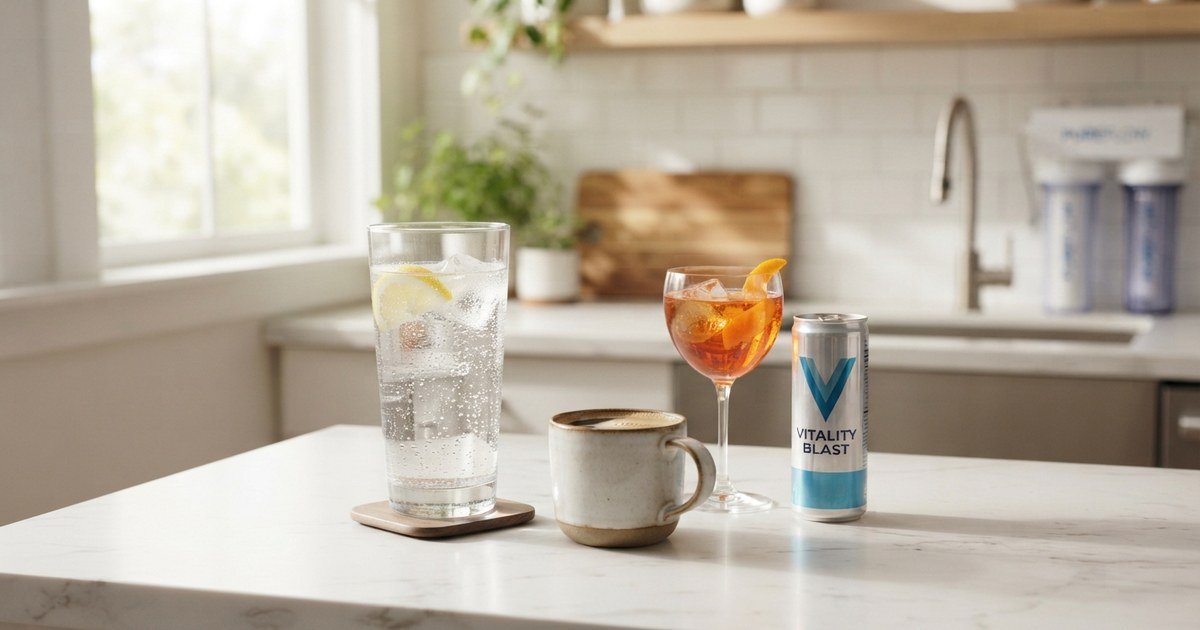
Alcohol is the drink that dehydrates you the most, and at ordinary serving sizes it is the only common beverage with a strong, consistent diuretic effect. Large single doses of caffeine — roughly 250 to 300 milligrams or more at once, in someone who is not a regular caffeine drinker — come a distant second, and very sugary drinks matter mainly for people whose blood sugar already runs high. Coffee, tea, cola, sparkling water and light beer, in normal amounts, do not dehydrate you: in controlled trials they left people no more dehydrated than plain water.
That last sentence contradicts almost every “dehydrating drinks” list on the internet, which is exactly why it is worth reading the studies rather than the listicles. Below is what the research actually found, ranked by how much a drink moves your fluid balance, plus the drinks that get blamed unfairly and what to reach for instead.
Some links below are affiliate links. If you buy through them we may earn a commission at no extra cost to you. See our Affiliate Disclosure.
Alcohol dehydrates you through a specific hormonal mechanism rather than a vague “it’s a diuretic” hand-wave. Your pituitary gland releases vasopressin, also called antidiuretic hormone (ADH), which tells the kidneys to reabsorb water and concentrate your urine. Ethanol suppresses that release. With less ADH circulating, the kidneys stop pulling water back and you excrete dilute urine instead — which is why the trip to the bathroom starts within about 20 minutes of the first drink and keeps repeating.
The effect is dose-dependent: the more alcohol in the bloodstream, the deeper the ADH suppression and the greater the fluid loss. That is why a 40% spirit dehydrates far more per ounce than a 4% beer, and why a long night produces a worse morning than a single glass with dinner. It also compounds, because alcohol tends to displace water you would otherwise have drunk.
Practical version: alcohol is the only everyday drink where “it dehydrates you” is unambiguously true, and the fix is unglamorous — alternate alcoholic drinks with water, and rehydrate before bed rather than the next morning.
Caffeine does have a diuretic action, but it has a threshold. A 2003 review in the Journal of Human Nutrition and Dietetics examined the trial evidence and found that doses of at least 250 to 300 milligrams — the caffeine in roughly two to three cups of coffee or five to eight cups of tea consumed at once — produced a short-term increase in urine output. Smaller doses did not. Critically, that effect was measured in people who had been deprived of caffeine for days or weeks; a strong tolerance to the diuretic action develops in habitual coffee and tea drinkers, and the effect largely fades.
A later meta-analysis of 28 studies at a mean dose of about 300 milligrams found the overall diuretic effect was small, and only reached a moderate size once exercise studies were excluded. In other words: measurable in a lab, mostly irrelevant at the kitchen table.
Where caffeine does become a legitimate hydration concern is at high total intake. The FDA puts 400 milligrams a day — roughly four cups of brewed coffee — as the upper end of what is not associated with negative effects in healthy adults. Stacking a pre-workout, two energy drinks and an afternoon coffee blows past that, and at those doses the diuretic effect stops being theoretical. Pregnant people and anyone with a heart condition should be working from a lower ceiling.
The mechanism here is genuine but frequently misapplied. When blood glucose climbs high enough — above roughly 180 to 200 mg/dL — the kidney’s glucose transporters saturate and sugar spills into the urine. That sugar drags water with it osmotically, and the result is osmotic diuresis: high urine volume and real fluid loss. This is why frequent urination and thirst are classic signs of poorly controlled diabetes.
What that mechanism does not mean is that a soda dehydrates a person with normal glucose regulation. A healthy pancreas keeps blood sugar well below the spill point after a sweet drink, so no osmotic diuresis occurs. If you have diabetes, prediabetes, or blood sugar that runs high, sugary drinks genuinely work against your hydration and that is worth taking seriously. If you do not, the case against soda is about calories and dental health, not fluid balance.
Energy drinks are the one category that stacks both levers — a large caffeine dose and a large sugar load in a single 16-ounce can — which is what earns them a place on this list rather than either ingredient alone.
In 2016 a research team published a randomized trial in the American Journal of Clinical Nutrition that tested 13 common beverages head to head. Seventy-two healthy men each drank one liter of a test beverage, and the researchers measured urine output and fluid balance over the following two hours against plain water, which was set at a baseline score of 1.0 — the beverage hydration index.
The result that should end most of these listicles: there were no significant differences in urine output after cola, diet cola, hot tea, iced tea, coffee, lager, orange juice, sparkling water or a sports drink compared with still water. Not one of them left participants worse off than water.
Coffee got its own dedicated test. A 2014 trial published in PLOS ONE gave 50 habitual coffee drinkers either four 200 mL cups of coffee daily or an equal volume of water for three consecutive days, then compared a full panel of blood and urine hydration markers. There were no significant differences between the two conditions and no change in total body water. The authors concluded that coffee, consumed in moderation by people used to caffeine, hydrates about as well as water does.
The same 2016 trial found a handful of drinks that beat water, meaning participants retained more fluid two hours later. Oral rehydration solution scored highest, followed by full-fat and skim milk, with milk performing comparably to a conventional sports drink. The reason appears to be composition rather than volume: the sodium, potassium and protein in milk and the sodium-glucose ratio in a rehydration solution slow gastric emptying and help the body hold onto what you drank instead of flushing it straight through.
This is genuinely useful information in three situations — illness with fluid loss, heavy sweating, and heat exposure — where plain water alone replaces volume but not the electrolytes that went with it. A packet of oral rehydration solution in the cupboard costs very little and works better than improvising. For everyday desk-job hydration, though, water is fine and the extra calories in milk or a sports drink are not buying you anything. We compared the two approaches in detail in electrolyte water vs. regular water.
The honest conclusion from all of this is that the “dehydrating drinks” panic is mostly misdirected. Only alcohol reliably puts you in fluid deficit at normal serving sizes. Everything else on the usual list is either neutral or matters only at extremes.
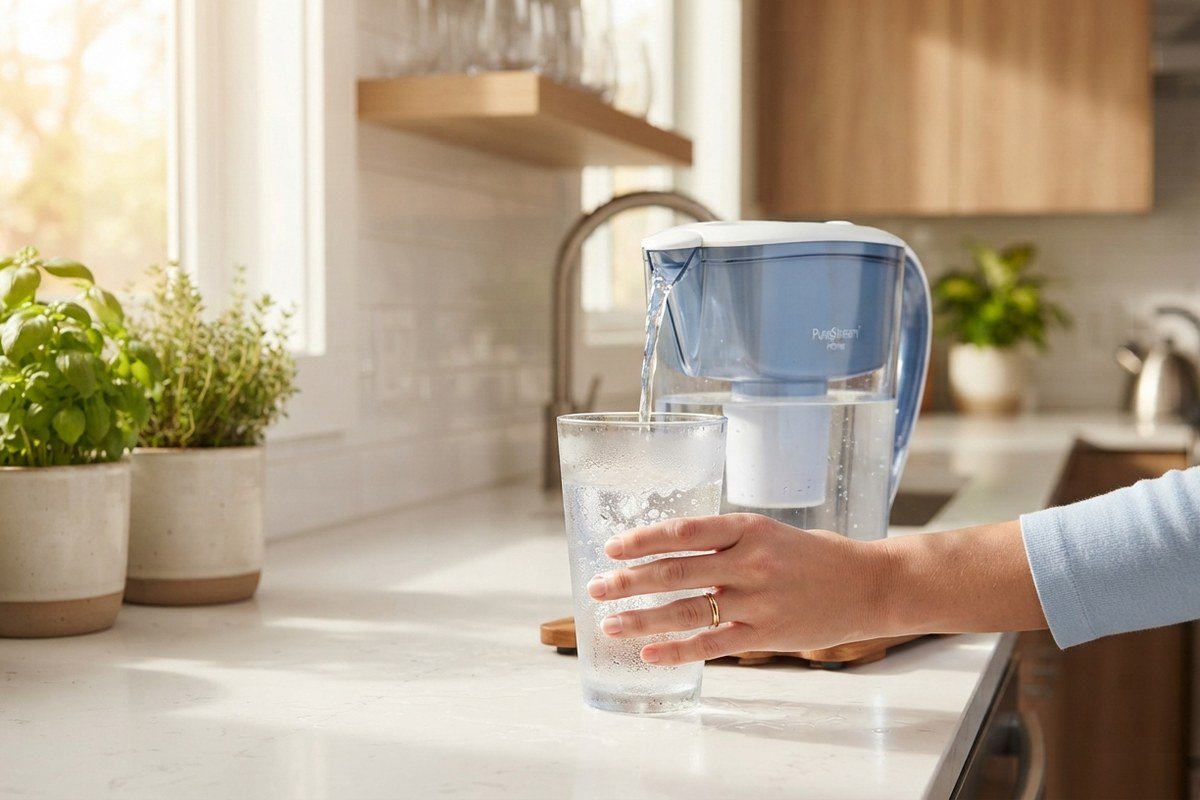
The more useful question is what makes you drink more water in the first place, and taste is the answer most people underrate. Chlorine, sulfur, iron and hardness minerals all make tap water unpleasant enough that people quietly stop drinking it and switch to something sweeter. Fixing the taste tends to fix the intake. A basic NSF-certified carbon filter pitcher handles chlorine taste and odor for most municipal supplies, while a whole-house or under-sink system makes sense if the problem is at every tap.
If your water tastes off and you do not know why, find out before you spend money on treatment — a certified lab kit from Tap Score tells you what is actually in the water so you buy a filter that matches the problem rather than guessing. You can also start with our drinking water quality by state hub to see what is typical for your region, and our broader hydration and health guide for the fundamentals.
If you’ve been increasing your water intake, it’s worth knowing what’s actually coming out of your tap. Your utility’s annual report covers the whole system average, not your house — and it says nothing at all about private wells or your own plumbing. A certified lab test gives you a full contaminant panel and, just as often, tells you your water is fine and you don’t need to buy anything.
Not in normal amounts. A 2014 controlled trial in habitual coffee drinkers found four cups a day produced the same hydration markers as an equal volume of water, and the 2016 beverage hydration index trial found no difference in urine output between coffee and still water. Caffeine’s diuretic effect requires large single doses in people not used to it.
Light beer is far less dehydrating than spirits, and in the 2016 trial a lager produced no more urine output than water over two hours. The dehydrating effect of alcohol scales with the amount of ethanol, so four beers over an evening is a very different proposition from one, and a whiskey is a different proposition again.
High-proof spirits, because they deliver the most alcohol per ounce of fluid. A drink that is 40% alcohol suppresses antidiuretic hormone hard while contributing very little water of its own.
Not if your blood sugar regulation is normal — cola and diet cola both matched water in the beverage hydration index trial. Sugary drinks become a genuine hydration problem when blood glucose runs high enough to spill into the urine, which is a concern for people with diabetes or prediabetes.
The CDC does not publish a plain-water target. The widely cited adequate intake figures from the Institute of Medicine cover total water from all foods and beverages: about 3.7 liters (125 ounces) a day for men and 2.7 liters (91 ounces) for women. Food supplies roughly a fifth of that. US adults average about 44 ounces of plain water a day.
Pale straw-colored urine and an absence of persistent thirst cover most everyday cases. Dark urine, dizziness on standing, headache and reduced urine output point the other way. Several other conditions produce symptoms that look like dehydration, which we cover in what can be mistaken for dehydration. Severe dehydration — confusion, rapid heartbeat, no urination for many hours — is a medical emergency, not something to manage with a sports drink.
Last updated August 24, 2026.
This article is for general information only and is not medical advice. Hydration needs vary with age, medication, kidney function, pregnancy and medical conditions — if you have diabetes, kidney disease, heart failure, or take diuretics, talk to your physician before changing your fluid intake. See our Health Disclaimer.
