
Beautiful Plants For Your Interior

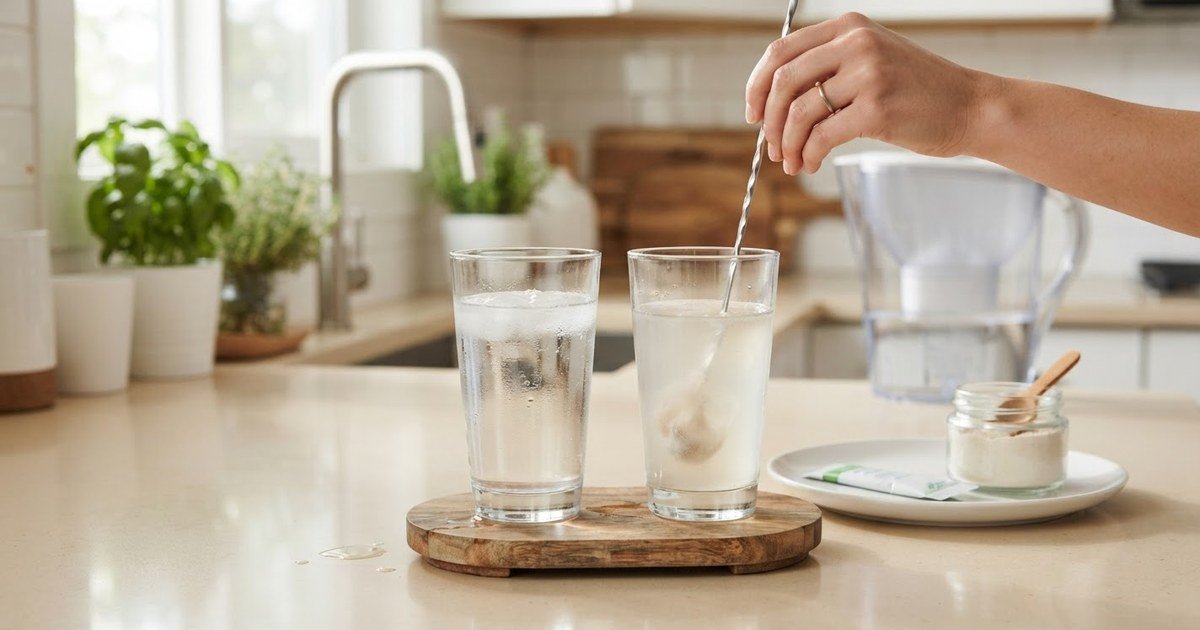
For everyday hydration, regular water is all most people need — it hydrates just as effectively as electrolyte water for normal daily activity. Electrolyte water earns its keep in specific situations: exercise lasting longer than about an hour, heavy sweating in hot weather, or fluid loss from illness. In those moments, replacing sodium and potassium alongside fluid helps your body actually hold on to the water you drink.
Some links below are affiliate links. If you buy through them we may earn a commission at no extra cost to you. See our Affiliate Disclosure.
The bottled-water aisle makes this decision look harder than it is. Electrolyte-enhanced waters, sports drinks, and hydration powders all promise superior hydration, but the science is more modest: unless you’re losing significant fluid and salt, plain water does the job. This guide breaks down what electrolytes actually do, when the upgrade is worth it, and when it’s just an expensive habit. It’s part of our hydration and health hub, where we cover the practical science of drinking water well.
Electrolytes are minerals that carry an electric charge when dissolved in body fluids — chiefly sodium, potassium, chloride, magnesium, and calcium. They regulate the balance of fluid inside and outside your cells, support nerve signaling, and drive muscle contraction, including your heartbeat. Sodium in particular acts like a sponge that helps your bloodstream retain the water you drink instead of sending it straight to your kidneys.
Your body keeps electrolyte levels within a tight range, and a normal diet supplies far more than most people lose in a typical day. That’s the key point the marketing leaves out: for the average person eating regular meals, electrolyte losses from mild activity are replaced at the dinner table, not in a bottle.
Commercial electrolyte water is typically purified water with small amounts of added minerals — often sodium bicarbonate, potassium chloride, calcium chloride, and magnesium chloride. The amounts vary enormously by brand. Some “electrolyte-enhanced” bottled waters contain only trace minerals added for taste, far too little to matter for rehydration. Sports drinks add meaningful sodium and potassium but usually pair them with sugar. Hydration powders and tablets sit in between, and many sugar-free options now deliver clinically meaningful sodium without the calories.
Worth knowing: ordinary tap water contains natural minerals too, including calcium and magnesium, in amounts that vary by region and source. Mineral content is one of several things that differ in drinking water quality from state to state — hard-water states deliver a surprising share of daily calcium intake through the tap.
For daily life — working, walking, errands, workouts under an hour — plain water is the evidence-backed choice. The National Academies of Sciences, Engineering, and Medicine set adequate total daily water intake at roughly 3.7 liters for men and 2.7 liters for women, with about 80% typically coming from beverages — and plain water counts fully toward that target. The CDC likewise recommends water as the go-to beverage over sugar-sweetened drinks for everyday hydration.
If your urine is pale yellow and you rarely feel thirsty, your hydration routine is working, whatever the label on your bottle says. And if you dislike the taste of your tap water, the fix is usually filtration rather than pricier bottled options — see our guide to the healthiest water to drink.
Once continuous exercise stretches past about 60 minutes — or sooner in serious heat — sweat losses of sodium become meaningful. Drinking only plain water while sweating heavily can dilute blood sodium; in extreme endurance settings this can progress to hyponatremia, a dangerous low-sodium state. Adding electrolytes to your fluids during long sessions helps maintain that balance and improves how much of what you drink you actually retain.
Outdoor workers and anyone active in hot climates lose more salt than the average gym-goer. If you finish activity crusted in white residue, you’re a salty sweater and will feel noticeably better replacing sodium during long hot days. Residents of hot states know this well — if you’re in the Southwest, our guide to Arizona drinking water covers what’s coming out of the tap you’re refilling from.
Vomiting and diarrhea drain both fluid and electrolytes quickly. This is the scenario where formulated rehydration matters most: the CDC recommends oral rehydration solutions (ORS), which use a specific glucose-to-sodium ratio to speed fluid absorption in the gut. A packet of oral rehydration salts in the medicine cabinet is cheap insurance for stomach bugs and travel.

Electrolyte products have three real costs. First, sugar: classic sports drinks can carry 30+ grams per bottle, which is counterproductive if you’re drinking them at a desk. Second, sodium itself: U.S. dietary guidelines advise keeping sodium under 2,300 mg per day, and most Americans already exceed that — routine electrolyte drinks stack more on top, a genuine concern if you have high blood pressure or kidney disease. Third, price: electrolyte water costs many times more per liter than tap, and for most drinking occasions delivers nothing extra.
If you regularly train long, work outside, or sweat heavily, you don’t need to buy pre-mixed bottles. A tub of sugar-free electrolyte powder or a tube of electrolyte tablets turns any water into electrolyte water for a fraction of the bottled price — and you control the dose. Start with good-tasting base water (a water filter pitcher handles chlorine taste), and if remembering to drink is the real problem, a time-marked water bottle fixes behavior more reliably than any additive. You can also DIY: a pinch of salt plus a squeeze of citrus in a liter of water covers casual needs.
One more angle: symptoms people blame on “needing electrolytes” — fatigue, headaches, brain fog — often have other causes entirely. We’ve covered 8 conditions commonly mistaken for dehydration if that sounds familiar.
If you’ve been increasing your water intake, it’s worth knowing what’s actually coming out of your tap. Your utility’s annual report covers the whole system average, not your house — and it says nothing at all about private wells or your own plumbing. A certified lab test gives you a full contaminant panel and, just as often, tells you your water is fine and you don’t need to buy anything.
Generally yes for healthy people, but it’s usually unnecessary and adds sodium most diets don’t need. If you have hypertension, kidney disease, or take blood-pressure medication, check with your doctor before making it a daily habit.
Slightly, in the right context. Sodium (and in ORS, glucose) increases fluid absorption and retention, which matters during heavy sweating or illness. For ordinary daily drinking, the difference is negligible.
Yes — mainly through excess sodium over time, and excess sugar in sports-drink formats. Very high doses of potassium or magnesium from supplements can also cause problems, especially with impaired kidney function.
For most people, yes: you get the useful minerals without 30+ grams of sugar. Sports drinks’ carbs only earn their place during long, hard exercise where you need fuel as well as fluid.
Muscle cramps during long exercise, salt crust on skin or clothing after sweating, lightheadedness during extended heat exposure, or ongoing vomiting/diarrhea. Absent those, plain water plus normal meals covers you.
Not meaningfully. Caffeinated beverages are mildly diuretic but still contribute net fluid; they count toward daily intake, though water remains the better default.
Last updated July 13, 2026. This article is for informational purposes only and is not medical advice — see our Health Disclaimer.
