
Beautiful Plants For Your Interior

Does drinking water lower blood glucose? Discover the science behind hydration and blood sugar management in this helpful guide for your daily health routine.

Managing blood sugar levels effectively is a daily priority for millions of Americans today. People often wonder if the simple act of hydration can truly impact their long-term health. This question is particularly urgent for those seeking natural ways to support their body and maintain balance.
Some links below are affiliate links. If you buy through them we may earn a commission at no extra cost to you. See our Affiliate Disclosure.
While it is not a replacement for clinical treatment, maintaining proper fluid levels plays a significant role in metabolic regulation. Scientific evidence suggests that staying hydrated helps the kidneys flush out excess sugar. Understanding these internal connections is vital for anyone living with diabetes or prediabetes.
We provide research-backed insights to help you navigate these complex choices with confidence. Consistent hydration serves as a supportive tool alongside other evidence-based lifestyle adjustments and medical guidance. This introduction explores the science behind these claims and offers practical tips for your daily routine.
We aim to empower readers with clear evidence rather than miracle promises or oversimplified claims. By focusing on proven methods, we help you integrate better habits into your routine for more stable results. Knowing how much water to consume is a key part of maintaining overall wellness and safety.
Since the human body consists of approximately 60% water, fluid balance plays a fundamental role in metabolic function.
Every internal system depends on consistent hydration to operate smoothly and efficiently.
For those monitoring blood sugar levels, staying hydrated is especially essential for long-term health.
Water helps maintain proper kidney function, which is the cornerstone of managing glucose in the bloodstream.
When you are properly hydrated, your kidneys work more effectively to filter excess sugar from the blood.
These organs then excrete that extra glucose through urine, preventing a buildup in the blood.
Unlike many other beverages, pure water contains no calories or carbohydrates.
This makes it the ideal choice for keeping sugar levels stable without adding unnecessary stress to your system.
By providing the medium for transport and waste removal, fluid intake supports your natural regulation systems every day.
Hydration is not just about quenching thirst; it is a vital component of metabolic regulation and waste elimination.
Many people ask if drinking water is a quick fix for high glucose, but the scientific reality is more about support than immediate correction. While drinking water does not lower blood sugar with the speed of insulin, it acts as a critical partner for your kidneys.
When you stay hydrated, your kidneys can effectively filter out excess glucose through your urine. This natural process helps keep your blood sugar levels from rising too high. Without enough water, your blood becomes more concentrated, making the sugar inside seem much higher than it actually is.
Managing dehydration is essential because it prevents sudden spikes in your blood. Staying hydrated ensures your body has the fluids needed to flush out waste. Here is how consistent intake of water supports your system:
Ultimately, hydration is most valuable for preventing upward trends rather than rapidly correcting an existing high reading.
Lack of water often causes sugar to climb because the kidneys cannot filter waste efficiently. When the body lacks enough fluids, it tries to conserve every drop by reducing urine output. This survival tactic makes it harder for the kidneys to remove excess glucose from your system.
This creates a concentration effect within the blood stream. Since there is less water available, the remaining particles become more dense. This process can quickly lead to hyperglycemia, a state where your blood sugar levels are significantly higher than normal. Even if you haven’t eaten, high blood sugar can still occur simply due to low fluid volume.
Furthermore, dehydration can trigger an imbalance in essential electrolytes. These minerals are vital for helping insulin move energy into your cells efficiently. Without proper hydration, your body may struggle to manage the factors that cause blood sugar to spike unexpectedly.
A dangerous cycle often develops for those experiencing high blood sugar. The body tries to flush out the excess by increasing urination, which leads to further dehydration. This loss of water concentrates the remaining blood components, making hyperglycemia even worse over time.
| Physiological Change | Impact on Body | Resulting Outcome |
|---|---|---|
| Reduced Urine Output | Kidneys retain more waste | Lower glucose excretion |
| Fluid Volume Loss | Concentrates particles in blood | Higher sugar readings |
| Electrolyte Shift | Impaired cell signaling | Reduced insulin sensitivity |
Effective blood sugar management relies heavily on how well your kidneys can flush out excess glucose. These vital organs process approximately 180 liters of blood every day to remove waste products. When sugar levels rise, the kidneys work to filter the excess from your bloodstream.
Proper hydration ensures this system operates at its peak capacity. Without enough water, the body cannot produce sufficient urine to carry the waste away. We know that drinking water to manage blood sugar is a simple yet powerful tool for health.
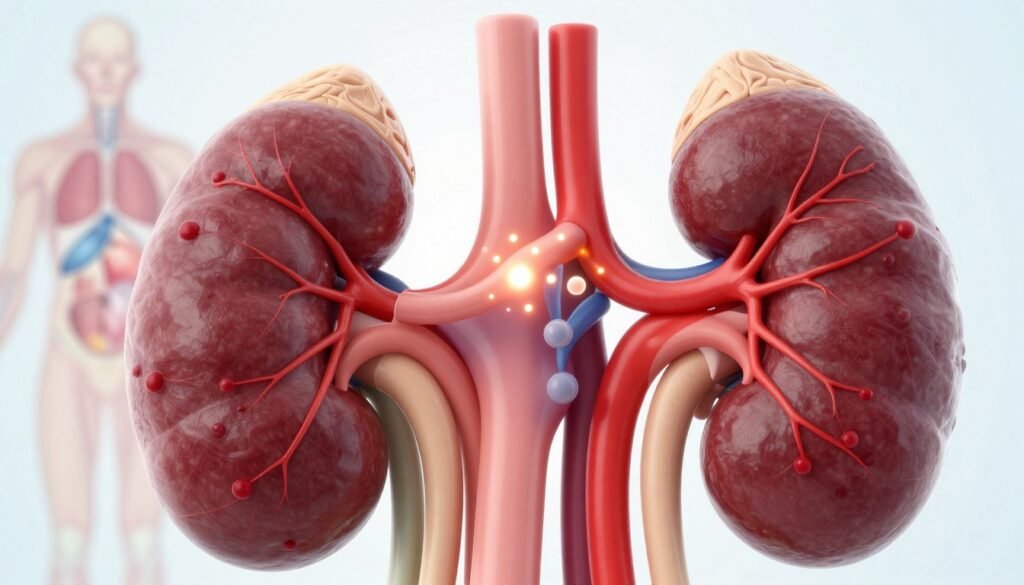
The filtration process requires a specific fluid volume to move molecules through the nephrons. Sugar dissolving in fluid allows it to pass through the renal threshold. If you are dehydrated, this vital elimination pathway becomes severely compromised and less effective.
| Condition | Kidney Action | Glucose Outcome |
|---|---|---|
| Elevated Glucose | Activates nephrons | Excreted in urine |
| Proper Hydration | Boosts filtration | Stabilizes blood |
| Poor Hydration | Slows waste removal | Levels remain high |
Supporting the kidneys through hydration protects them from long-term damage. People with diabetes face a higher risk of kidney disease, making fluid intake essential. By drinking enough water, you help your cells stay safe and filter excess glucose properly.
Finding the right balance of hydration is essential for anyone monitoring their internal glucose environment. Drinking water consistently helps the body function at its peak performance. When you maintain optimal hydration, you improve your blood circulation significantly. This better flow allows for more efficient glucose absorption by your cells.
Monitoring your blood sugar involves more than just watching what you eat. You must also consider how your hydration levels influence these readings. Steady hydration prevents the concentration of glucose in the bloodstream. Drinking small amounts throughout the day is much better than consuming large quantities at once. This strategy helps your system process moisture more effectively.
By staying hydrated, you support your overall health and metabolic stability. Consistent drinking habits ensure that your kidneys can flush out excess glucose. This process is vital for keeping your glucose levels within a safe range. Every cell relies on moisture to manage energy effectively. We recommend keeping a refillable bottle nearby as a visual reminder to sip regularly.
Most experts recommend starting with the familiar 8×8 rule as a baseline for drinking habits. This means consuming about 8 cups, or roughly 2 liters, of water every day. While this water serves as a starting point, individual needs vary based on size. For many adults, having enough water daily is the minimum requirement for metabolic functions. You should distribute your intake evenly to keep water in your system.
You may need more fluids if you lead an active lifestyle or live in a hot climate. Physical exercise increases the demand for moisture because you lose it through sweat. People managing blood sugar issues should pay close attention to these environmental changes. Certain medications can also influence your hydration needs significantly. Consult with a doctor to find the perfect intake level for your condition. Always ensure you have enough water during high-heat days to avoid a sugar spike.
“Proper hydration is the foundation of metabolic health, as it facilitates the transport of nutrients and the removal of waste.”
| Activity Level | Daily Target | Hydration Rationale |
|---|---|---|
| Sedentary | 8 Cups (2 Liters) | Maintains basic metabolic balance. |
| Physically Active | 9-11 Cups | Replaces moisture lost through perspiration. |
| Hot/Humid Climate | 10-12 Cups | Prevents dehydration and glucose concentration. |
Your body provides subtle cues when it needs more water to process glucose efficiently. Recognizing these signs early is key to preventing a sudden spike in blood sugar levels.
Common symptoms include a persistently dry mouth, fatigue, or a lingering headache. You might also notice lightheadedness or feel more tired than usual after simple tasks.
People living with diabetes face a higher risk of dehydration because of how the kidneys function. When sugar builds up in the blood, the system attempts to flush it out through increased urination, which drains fluids quickly.
One of the most reliable signs of fluid loss is the color of your urine. Pale yellow indicates good hydration, while dark yellow or amber shows you need more water immediately.
Detecting these symptoms early helps us stay ahead of severe dehydration. Early awareness keeps high blood glucose from rising and keeps metabolic levels stable throughout the day.
Actionable strategies make it easier to maintain the fluid levels your body needs to process glucose. Consistency is key when staying hydrated to support your metabolic health. By turning small actions into daily habits, you can manage your blood sugar more effectively throughout the week.
Carry a reusable bottle wherever you go to ensure easy access to fluids. Setting frequent reminders on your phone helps you maintain a steady flow of liquids. This prevents the physical stress of trying to catch up on fluid needs at the end of a long day.
Absorption works best when you take small, frequent sips rather than gulping large volumes. Drinking too much at once can lead to the body flushing the fluid away quickly. Small steps lead to significant improvements in how your body handles its daily energy needs.
| Time of Day | Activity | Benefit |
|---|---|---|
| Morning | Wake up glass | Rehydrates after sleep |
| Pre-Meal | 8 oz of liquid | Aids digestion and satiety |
| Afternoon | Consistent sipping | Maintains energy levels |
“Proper hydration is the foundation of metabolic health and essential for effective glucose regulation.”
Focus on drinking water regularly to help the body absorb it effectively. Drink a full glass right after you wake up to refresh your system. Have another glass 20 to 30 minutes before each meal to aid digestion and help prevent overeating.
This simple habit supports a more stable blood sugar response to the food you consume. Maintaining a consistent intake is vital for long-term health success. You should avoid drinking large amounts only when you feel extreme thirst.
Many people find plain water unappealing, but natural flavor infusions change that experience. You can add slices of lemon, cucumber, or fresh mint to your water bottle. These additions make drinking much more pleasant without adding any extra sugar to your diet.
Fresh berries or citrus fruits provide a light taste while keeping your drinks healthy and calorie-free. Using a high-quality filter also ensures your water tastes crisp and clean every time.
Focus on these small changes to keep your blood chemistry stable and balanced. By staying hydrated, you protect your sugar levels and your overall energy. Use these practical tools to make drinking water a simple, enjoyable part of your life while protecting your blood vessels.
Opting for water rather than sweetened drinks is a simple yet profound shift for long-term metabolic stability. Sodas, sweetened teas, and fruit juices can cause rapid spikes in blood sugar. These beverages contain refined additives that enter your system almost instantly.
A single 12-ounce can of regular soda contains approximately 39 grams of sugar. This heavy dose of glucose enters the blood quickly and can raise blood sugar dramatically within minutes. Such sudden surges put unnecessary stress on your metabolic response.
Even fruit juices pose problems for healthy sugar levels despite their natural origin. They contain concentrated fruit sugar without the fiber that would normally slow down absorption. By choosing water instead of these sugary beverages, you can avoid those spikes and protect your health.

“The simplest choices often yield the most significant results when managing your long-term health.”
Liquid glucose sources are major contributors to high blood sugar. We encourage a gradual substitution to help bring sugar levels down naturally over time. This transition also supports the kidney function needed to eliminate excess glucose from the blood.
While “diet” drinks might not raise levels directly, they may impact insulin sensitivity and taste preferences. Drinking water keeps you hydrated and reduces the intake of empty calories. Making water your primary choice helps you maintain more consistent energy levels throughout the day.
| Beverage Type | Typical Sugar Content | Impact on Glucose |
|---|---|---|
| Regular Soda | 39g per 12 oz | Rapid Spike |
| Orange Juice | 24g per 8 oz | Moderate-High Spike |
| Pure Water | 0g | Neutral/Stabilizing |
Distinct physiological needs mean you must tailor hydration strategies specifically for Type 1 or Type 2 diabetes. In Type 1 cases, the pancreas produces no insulin, requiring lifelong replacement therapy. While drinking water helps, it is never a substitute for the insulin or needed medication.
People diabetes often face a higher risk of dehydration due to high glucose. When blood sugar levels rise, the body attempts to flush out excess sugar through the urine. This process can quickly drain the urinary system of vital fluids.
For those with Type 2 diabetes, managing blood glucose often involves diet, exercise, and specific medications. Some drugs, like SGLT2 inhibitors, purposely increase glucose excretion through the kidneys. Consistent fluid intake also protects the vessels in the blood from long-term damage.
| Diabetes Type | Primary Management | Hydration Role |
|---|---|---|
| Type 1 | Insulin injections or pumps | Supports fluid balance during spikes |
| Type 2 | Diet, exercise, and pills | Essential for medication efficiency |
Regardless of your diagnosis, managing blood health requires a balance of water and medical care. Proper hydration helps people diabetes maintain a stable blood flow and healthy sugar levels. Always consult your physician before making significant changes to your daily intake.
Achieving stable glucose readings involves more than just drinking water; it requires synergy between several health habits. Effective management depends on how we coordinate our daily routines to support the body.
Physical exercise is a powerful tool to lower blood sugar. When you move, your muscle cells become more sensitive to insulin. This allows them to take up glucose from the blood to use for energy.
We recommend at least 150 minutes of moderate activity weekly to help people stay healthy. During active movement, muscles consume glucose for energy, which helps keep your numbers in check. This effect can last for hours after your exercise session ends.
A balanced diet helps keep blood sugar levels steady. Focus on foods like whole grains and legumes rather than simple sugar. High-fiber foods slow down digestion, preventing sharp spikes after you eat.
Limiting refined carbs like white bread helps people diabetes manage their health effectively. Choosing nutrient-dense foods also makes it easier to maintain a healthy weight. This long-term weight control is essential for anyone looking to lower blood sugar naturally through diet.
Checking your levels regularly is vital for managing blood sugar effectively. It allows people to see how hydration, medication, and exercise impact their blood results. Knowledge is power when it comes to your health.
Some drugs, like steroids, can raise sugar unexpectedly. Consistent managing blood data helps you and your doctor make informed decisions about your daily management. By tracking trends, people can detect hyperglycemia early and adjust their habits before problems arise.
Physical activity and proper nutrition are the cornerstones of metabolic health, working alongside hydration to create a stable internal environment.
| Management Strategy | Primary Benefit | Impact on Blood Sugar |
|---|---|---|
| Hydration | Flushes excess glucose | Helps prevent spikes |
| Daily Exercise | Improves insulin use | Directly lowers levels |
| Healthy Weight | Reduces insulin resistance | Long-term stability |
| Regular Monitoring | Provides actionable data | Assists managing blood sugar |
Achieving optimal health requires a balanced approach where water plays a supporting role in managing blood glucose. Staying hydrated helps your body and its internal system function better by allowing the kidneys to filter excess sugar. Consistency is the foundation of long-term wellness.
While increased intake can help lower blood sugar, it does not replace diabetes medications. Most people should view proper hydration as one essential part of a total management plan to lower blood glucose. This strategy works best when combined with blood sugar monitoring and health routines.
Keeping blood glucose levels stable involves diet, exercise, and medical advice for your diabetes. Always speak with a professional before changing your routine. Proper water intake helps maintain healthy blood and sugar levels while working to lower blood concentrations naturally.
