
Beautiful Plants For Your Interior

Does your body adjust when you start drinking more water? Learn how your system adapts to increased hydration and what physical changes you can expect today.

Every system in the physical frame relies on proper hydration to function well. It carries nutrients and oxygen to cells while flushing bacteria from the bladder. This vital liquid aids digestion and helps prevent constipation while normalizing blood pressure throughout the day.
Some links below are affiliate links. If you buy through them we may earn a commission at no extra cost to you. See our Affiliate Disclosure.
As people age, they may not sense thirst as easily as they did when they were younger. This makes consistent drinking water habits vital for long-term health and wellness. It is normal to wonder if the body can handle a sudden shift in fluid volume.
The internal systems are remarkably adaptive and work together to optimize these new benefits. These shifts happen gradually as organs and metabolic processes recalibrate to the increased supply. Understanding this process helps you stay committed to high-quality moisture goals for the future.
The transition to a higher hydration level begins with a series of predictable physical reactions that signal your system is working. Your body undergoes a recalibration process as it learns to manage the new supply of liquid effectively.
This adjustment period is common and usually temporary. By staying informed about these changes, you can support your health with confidence and patience.
The first 24-48 hours after increasing your water intake typically bring the most noticeable changes. During this short window, your system begins processing higher fluid volumes than it is accustomed to handling.
Your internal regulation systems operate on feedback mechanisms that take time to reset. You may notice subtle changes in your energy or physical comfort as your tissues begin to rehydrate.
Many people notice they need to use the bathroom more often during the first day or two. This happens because your kidneys have not yet adjusted their filtration efficiency to the new levels of moisture.
It is normal for your internal feedback mechanisms to take some time to recalibrate. In the beginning, the kidneys process the extra drinking water without retaining a proportional amount of it.
Understanding that frequent bathroom trips are temporary helps you stick with your new habits. Eventually, your system becomes more efficient, and the urgency usually settles down.
Monitoring your urine color is the most reliable way to track your hydration status. Pale yellow suggests you are properly hydrated, while dark yellow is a classic sign of dehydration.
Some health conditions, such as thyroid disease or heart problems, can make your body more sensitive to high fluid amounts. Additionally, medications like NSAIDs or some antidepressants may cause you to retain more liquid throughout the day.
If you feel nauseous or bloated, take a break from drinking for a little while. Watch for warning signs like weakness, low blood pressure, or confusion, which require professional medical attention.
| Symptom | Adjustment Status | Recommended Action |
|---|---|---|
| Pale Yellow Urine | Healthy Hydration | Maintain current consumption |
| Frequent Urination | Normal Adjustment | Continue habits for 48 hours |
| Nausea or Bloating | Temporary Overload | Take a short break from drinking |
| Dizziness or Confusion | Concerning Sign | Consult a healthcare provider |
| Dark Yellow Urine | Dehydration | Slowly increase your intake |
Adjusting your hydration levels triggers a series of physiological changes designed to optimize how your systems manage fluids. The body naturally adapts through sophisticated mechanisms that maintain internal balance over time. These shifts ensure your cells receive enough moisture without overwhelming your system’s capacity.
Adaptation involves the nephrons in your organs learning to fine-tune the reabsorption of water and electrolytes. Within the first week, your system modifies the concentration of antidiuretic hormone (ADH). This specific hormone signals how much fluid your organs should retain versus excrete to keep your levels stable.
This transition typically spans one to three weeks as hormonal and cellular processes recalibrate to higher availability. Consistent water intake matters more than random spikes throughout the day. Once the body adapts, you will likely notice fewer bathroom trips as your efficiency increases.

The kidney filters waste from the blood more effectively when you maintain a steady intake. Drinking plenty of water dilutes waste products, which significantly reduces the risk of kidney stones and infections. Proper hydration supports your natural detoxification systems and keeps your internal environment healthy every day.
The shift toward better hydration initiates a complex sequence of cellular and metabolic refinements that improve overall health. As your fluid intake stabilizes, your body begins to prioritize efficiency over conservation.
Every cell relies on hydration to perform its vital jobs. Increased water presence allows for more efficient nutrient transport and waste removal at a microscopic level.
Proper nutrition only works if those vitamins and minerals reach their destination. When your cells are well-hydrated, their membranes become more permeable, allowing for better absorption of vital compounds.
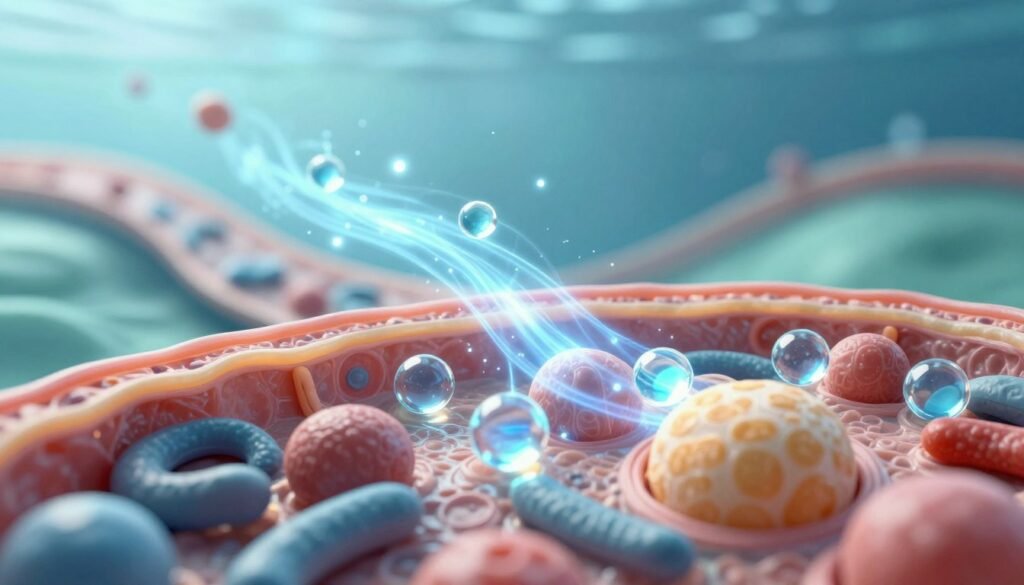
Dehydration often makes cells sluggish and less responsive. This often leads to feelings of fatigue or a lack of mental focus during the afternoon.
By maintaining consistent hydration, you support sustained energy throughout the day. You will likely notice that your vitality levels remain steady without the typical crashes associated with a lack of fluids.
Better hydration plays a significant role in weight management. Studies show that how drinking water boosts metabolism involves helping you feel fuller before meals, which naturally leads to consuming less food.
Increasing your water consumption can also aid in weight loss by raising your resting metabolic rate. Drinking cold water provides a minor extra boost as the body expends energy to warm the liquid to its internal temperature.
| Hydration Level | Metabolic Response | Efficiency State |
|---|---|---|
| Low Hydration | Sluggish and Slow | Poor Waste Removal |
| Optimal Hydration | Efficient and Rapid | Maximum Absorption |
| Cold Water Boost | Thermogenic Activity | Increased Calorie Burn |
Understanding these internal shifts helps you appreciate that the adjustment period is a necessary step toward long-term biological optimization. Every glass you drink contributes to a more efficient internal environment.
Vital organs require consistent hydration to maintain long-term health. As the body receives more water, these systems recalibrate to function with greater ease and precision.
This adjustment period isn’t instantaneous but develops progressively over two to three weeks. Supporting these internal systems creates a strong foundation for your overall wellness and daily vitality.
The brain consists of about 75% fluid, making it very sensitive to even mild dehydration. Increasing your water intake helps maintain optimal neurotransmitter production and neural signaling.
You may notice improved memory, better concentration, and more stable mood levels during this transition. Consistent hydration ensures your mind remains sharp and focused throughout the entire day.
Maintaining proper hydration helps the heart by preserving a healthy volume of blood. When you are hydrated, the heart can pump blood throughout the body with much less effort.
This prevents your fluids from thickening, which helps support stable blood pressure. Managing these levels reduces blood pressure strain and protects your long-term cardiovascular performance.
The kidney serves as a vital filter that benefits immensely from increased fluid consumption. These organs become more efficient at removing waste from your system while retaining essential minerals.
This natural detoxification process ensures that waste products are diluted and flushed out effectively. Health improvements become visible as your system clears out toxins more reliably than before.
Increased hydration leads to a series of clear physical shifts. These changes signal that your body is reaching a better state of balance. They provide visible evidence that your new habits are working effectively.
Your urine patterns offer the most immediate feedback during the first few days. Initially, you might notice an increase in frequency as your kidneys learn to manage the extra fluid load.
As your hydration levels improve, your urine color will shift from a dark yellow to a pale straw color. This visual change confirms you are successfully reversing dehydration and supporting your internal systems.
Drinking water plays a vital role in how your body processes the food you eat. Adequate moisture helps the digestion process by softening stools and preventing constipation naturally.
Proper hydration also supports the breakdown of nutrients for better absorption. Improving your digestion efficiency often leads to less bloating and more consistent energy throughout the day.
Consistent intake of water helps flush out toxins and maintains skin elasticity. You may notice your cells look plumper, which naturally reduces the appearance of fine lines and minor wrinkles.
While water is not a replacement for a specialized skin care routine, it provides a radiant foundation. This natural glow is a clear indicator of your improving health and cellular moisture levels.
Healthy drinking water habits also benefit your physical mobility and comfort. Water improves the production of synovial fluid, which acts as a vital cushion between your joints.
Staying ahead of dehydration ensures your muscles perform better during exercise and daily activities. These physical changes are essential for maintaining your long-term health and physical wellbeing.
Supporting your system during the hydration transition ensures you reap the maximum benefits without overwhelming your kidneys. A balanced approach helps people manage the initial changes as they increase their daily water. Making small, gradual changes is more effective than forcing a sudden shift in your water day routine.
General guidelines suggest the average daily water for men is 15.5 cups and for women is 11.5 cups from all sources. However, you may only need four to six cups of plain water if your intake includes coffee, tea, or juice. Water-rich foods like salads and fruit also contribute to your total water day count.
Consider how much water drink is necessary by looking at your diet and general health. Each person has a unique daily water intake requirement based on their specific lifestyle. You don’t need to drink the entire amount as plain fluid to reach a healthy level.
Drink fluids gradually throughout day to avoid overwhelming your bladder. It is best to drink water at each meal or when taking medicine to create a consistent pattern. This helps your body adjust without causing excessive trips to the restroom during the day.
Spreading out your drinking helps your cells absorb the moisture more effectively. This strategy ensures you stay hydrated without feeling bloated. Consistency is the most important factor when you want to increase your water intake safely.
Your activity level and the outside temperature play a huge role in your hydration needs. When you lose fluid through sweat during activity, you must increase your water drink frequency to avoid dehydration. High intensity level exercises require more careful planning to maintain balance.
In a high temperature environment, your body temperature rises, and you might feel thirstier faster. People participating in long stretches of physical exertion need to replace both fluid and sodium losses. Adjusting your much water consumption based on the day and weather prevents heat-related issues.
Monitoring your hydration is key to maintaining a healthy body temperature. Pale yellow urine usually means you are staying hydrated, while clear urine might suggest you had too much water. Understanding hydration for health helps you determine the right amount to consume throughout day.
Be wary of overhydration signs such as nausea, bloating, or confusion. Balancing how much water you drink water ensures you feel energized rather than sluggish. Listen to your thirst signals to find the perfect much water drink balance for your water day.
| Factor | Hydration Strategy | Key Indicator |
|---|---|---|
| High Heat | Increase intake gradually | Thirst and sweat rate |
| High Activity | Replace water and sodium | Energy and muscle comfort |
| Normal Routine | Consistent sips throughout day | Pale yellow urine color |
| Water-Rich Diet | Reduce plain water amount | Balanced hydration level |
Adapting to a new hydration routine requires patience, but the health benefits are well worth the effort. Your body usually adjusts to a higher amount of water within three weeks. This transition period allows your organs and cells to manage nutrient transport and blood flow more efficiently.
People often notice improved energy and better digestion as their water intake stabilizes throughout the day. The benefit of staying hydrated reaches every part of your system, including your heart and skin. Monitoring your urine color and levels of water provides clear feedback on your status.
Individual needs vary based on temperature and activity level. If you need help with your nutrition plan, please send us an email for more information. Choosing drinking water over sugary food options is better than only using water occasionally.
This drinking habit is a vital part of proactive care for your body. For more tips on nutrition, sign up for our email updates today. We provide expert care to help people master their water habits every day.
Please email us with your questions about water quality. Consistency is the key to unlocking the benefits of water. Every glass of water helps maintain your water balance and physical wellness.

[…] first few days typically eases as your system recalibrates — a process covered in more detail in does your body adjust when you start drinking more water. The adaptation is real, but it’s measured in days, not […]