
Beautiful Plants For Your Interior

Wondering what are 5 foods that seniors should eat every day? We explore essential, nutrient-dense options to support healthy aging and daily wellness.

Older adults need about as much water as younger adults: the National Academies’ adequate intake is about 3.7 liters (125 oz) of total water a day for men over 50 and 2.7 liters (91 oz) for women over 50, counting all drinks and food. Roughly 80% of that usually comes from drinks, which works out to about 100 oz of fluids a day for men and about 73 oz for women. NIH’s MedlinePlus Magazine offers a simpler rule of thumb for healthy aging: aim for about eight glasses of fluids a day. The catch is that aging makes those targets harder to hit, because thirst fades, kidneys hold on to water less well, and many common medications increase fluid loss.
Those are starting points, not prescriptions. If you have heart failure or kidney disease, your doctor may set a different limit, and that number comes first. Below is why older adults dehydrate more easily, which medications change the math, the warning signs to watch for (and why they are less reliable in older people), practical ways to drink enough, and the foods that add water to the day.
Some links below are affiliate links. If you buy through them we may earn a commission at no extra cost to you. See our Affiliate Disclosure.
The National Academies’ Dietary Reference Intakes give the same adequate intake for total water to adults aged 51 to 70 and over 70 as to younger adults. The “from drinks” column below is simple arithmetic using the roughly 80/20 split between drinks and food that the National Academies observed in U.S. intake data.
| Group | Total water, all sources (adequate intake) | Roughly from drinks (about 80%) |
|---|---|---|
| Men 51–70 | 3.7 L (about 125 oz) | About 3.0 L (about 100 oz) |
| Men over 70 | 3.7 L (about 125 oz) | About 3.0 L (about 100 oz) |
| Women 51–70 | 2.7 L (about 91 oz) | About 2.2 L (about 73 oz) |
| Women over 70 | 2.7 L (about 91 oz) | About 2.2 L (about 73 oz) |
An adequate intake is a population average for healthy people, not a minimum that everyone must hit. Smaller, less active people often need less; hot weather, fever, vomiting, or diarrhea raise needs. MedlinePlus advises asking your health care provider how much you should be drinking each day, because individual needs differ.
Several age-related changes stack up:
For a plain-language overview of causes and symptoms, the National Library of Medicine’s MedlinePlus dehydration page is a reliable starting point.
This is where a general number can be wrong for an individual. Talk to your doctor or pharmacist about fluids if any of these apply:
MedlinePlus lists the signs of mild to moderate dehydration as thirst, a dry or sticky mouth, not urinating much, darker yellow urine, dry and cool skin, headache, and muscle cramps. Signs of severe dehydration include very little urine or very dark urine, dry and shriveled skin, irritability or confusion, dizziness, a rapid heartbeat, rapid breathing, sunken eyes, and listlessness.
There is an important caveat for older people. A 2015 Cochrane review of tests for dehydration in older adults found that commonly used single checks, including fluid intake, urine color, urine volume, urine specific gravity, heart rate, dry mouth, and feeling thirsty, should not be relied on individually because they miss many people who are dehydrated and wrongly flag others who are not. In other words, an older person can be dehydrated without obvious signs. That is why steady daily intake matters more than waiting for symptoms.
| What you notice | What to do |
|---|---|
| Thirst, dry mouth, darker urine, headache | Sip water or another fluid over the next hour or two, and check that daily intake is on track |
| Vomiting, diarrhea, or fever | Drink extra fluids and call the doctor early, especially if you take diuretics or have heart or kidney disease |
| Dizziness when standing, much less urine than usual, unusual weakness | Contact the doctor promptly; get help right away if there is little or no urine |
| New confusion or change in alertness, fainting, fever over 102°F, rapid pulse or breathing in the heat | Call 911 or go to an emergency department |
The emergency row follows MedlinePlus’s guidance on when to call 911. Confusion has many causes besides low fluids, so do not assume a glass of water is the fix; our guide to conditions that can be mistaken for dehydration covers the common look-alikes, and how to check yourself for dehydration explains what at-home checks can and cannot tell you.
Because thirst is a weaker signal later in life, structure helps more than willpower:
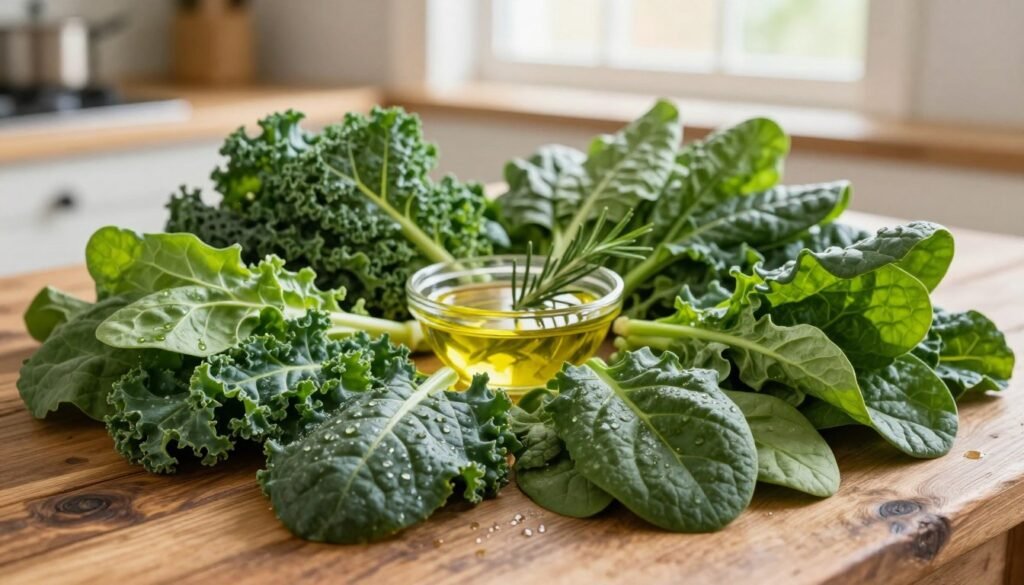
About 20% of the water most adults take in comes from food, according to the National Academies. For older adults with small appetites or who find it hard to drink large amounts, water-rich foods are a useful supplement. The percentages below are from USDA FoodData Central.
| Food (raw unless noted) | Water by weight |
|---|---|
| Iceberg lettuce | 96% |
| Cucumber, with peel | 95% |
| Celery | 95% |
| Zucchini | 95% |
| Tomatoes | 95% |
| Red bell pepper | 92% |
| Watermelon | 91% |
| Strawberries | 91% |
| Spinach | 91% |
| Cantaloupe | 90% |
| Milk, 2% | 89% |
| Oranges | 86% |
| Apples, with skin | 86% |
| Plain low-fat yogurt | 85% |
Soups and milk count as fluids too, which makes a bowl of soup or a glass of milk with lunch an easy way to add both water and nutrition. Our guide to staying hydrated without drinking plain water covers which foods and drinks hydrate as well as water. If you are on a sodium limit, check the label on canned soups and broths.
If you’ve been increasing your water intake, it’s worth knowing what’s actually coming out of your tap. Your utility’s annual report covers the whole system average, not your house — and it says nothing at all about private wells or your own plumbing. A certified lab test gives you a full contaminant panel and, just as often, tells you your water is fine and you don’t need to buy anything.
Yes. MedlinePlus lists tea and coffee among the beverages that supply water, though its dehydration guidance suggests limiting drinks with sugar and caffeine and making water the main choice. Alcohol does not count, because it makes the body release water.
It is possible. MedlinePlus notes that the body’s water balance can tip toward too much water (overhydration) as well as too little, and heart, liver, and kidney problems are among the common reasons. People with heart failure or kidney disease, or anyone told to limit fluids, should follow their doctor’s limit rather than a general target.
For many healthy older adults, about eight glasses of fluids a day is the general rule NIH’s MedlinePlus Magazine suggests, with food supplying additional water. Larger or more active people, and anyone in hot weather, may need more; people on fluid limits may need less. For more on how hydration needs vary, see our hydration and health guide.
Last updated October 31, 2026.
This article is for general information only and is not medical advice. If you have heart failure, kidney disease, or have been told to limit fluids, follow your doctor’s guidance. See our Health Disclaimer.

[…] fluids. New confusion in an older person always deserves prompt medical attention. Our guide to hydration needs for older adults explains why dehydration becomes more common with […]