
Beautiful Plants For Your Interior

What is the healthiest water to drink? Learn how to test for PFAS, lead, and chlorine, and why NSF-certified filtration is vital for your family's safety.
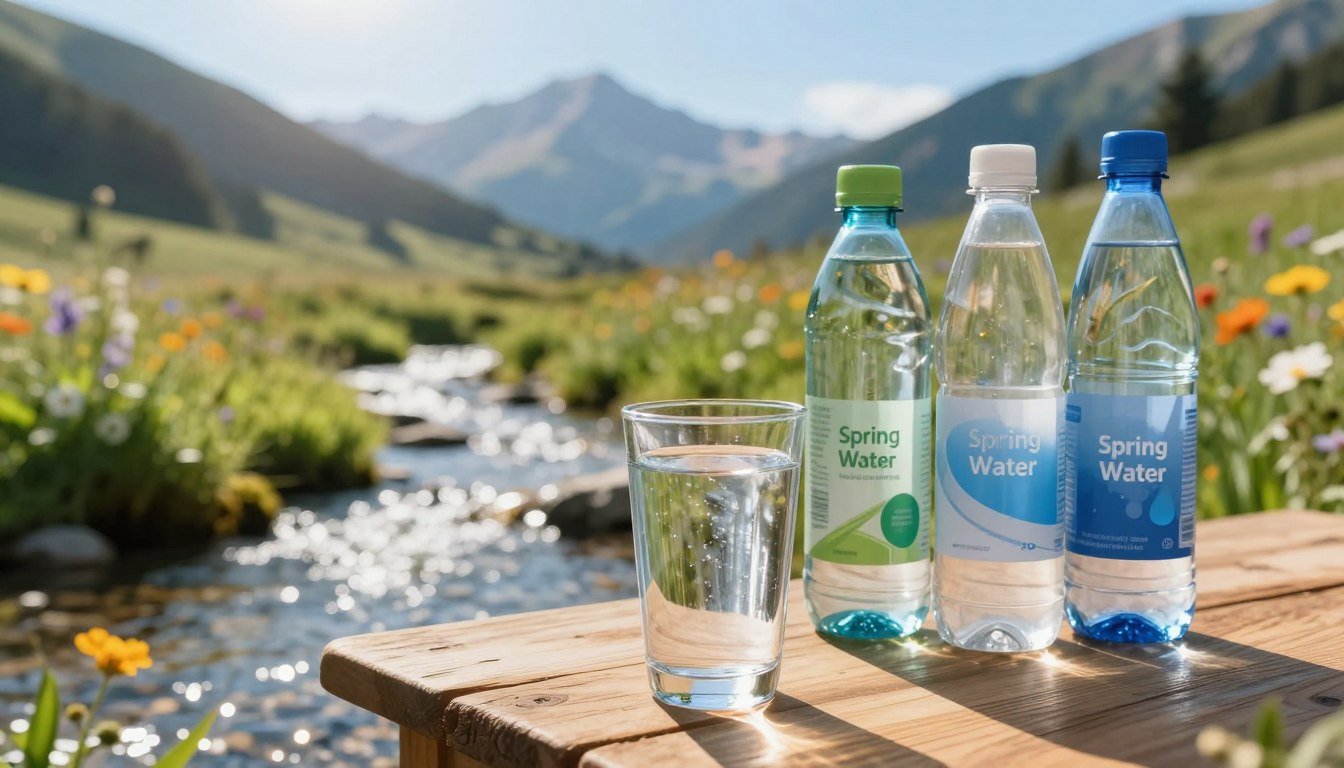
Since the human body consists of 60% fluid, maintaining proper hydration serves as a vital foundation for every biological organ. Most people aim for eight glasses daily to support their systems and avoid fatigue. However, the quality of what you consume matters just as much as the quantity for long-term wellness.
Some links below are affiliate links. If you buy through them we may earn a commission at no extra cost to you. See our Affiliate Disclosure.
In the United States, your choice of drinking source often depends on aging regional infrastructure and local treatment methods. Significant differences exist in purity levels between municipal supplies and private wells across various states. Many households now seek ways to avoid modern contaminants like lead, PFAS, and chlorine byproducts found in common water sources.
Determining what is the healthiest water to drink? requires looking beyond simple taste or clarity. True safety involves checking for beneficial minerals while ensuring the water remains free from toxic pollutants. This guide provides research-based insights to help you protect your family through proactive and informed water decisions.
Ensuring the safety of your hydration source is just as vital as choosing the right nutrients for your diet. High-quality water directly influences your well-being because it interacts with every biological system. From heart health to brain function, the purity of your drinking water determines how well your cells perform.
Harmful contaminants often accumulate in the body over time, even at low exposure levels. These substances can eventually lead to chronic issues, negating the expected health benefits of staying hydrated. Because risk levels vary across different sources in the United States, staying informed is essential.
| Source Type | Primary Risk Factor | Regulatory Oversight |
|---|---|---|
| Municipal Systems | Aging infrastructure | EPA Standardized |
| Private Wells | Agricultural runoff | Homeowner Responsibility |
| Bottled Water | Microplastics | FDA Regulated |
Vulnerable populations face the highest risks when fluid quality drops. This group includes infants, the elderly, and those with weakened immune systems. For the body to thrive, it requires a balance of essential minerals rather than industrial chemicals.
“Water is the driving force of all nature.”
We should view clean water as a primary preventive health measure. Protecting your family involves looking beyond simple clarity and understanding what is actually in the glass. Prioritizing water purity ensures that every sip supports your long-term safety and wellness.
Protecting your family’s health requires a deeper look at the invisible substances often found in modern plumbing systems. In the United States, three widespread contaminants cause the most concern: PFAS, lead, and disinfection byproducts. These impurities often enter our homes without a trace.
You cannot always rely on your senses to stay safe. Many dangerous chemicals lack a distinct taste, odor, or appearance. Identifying their presence usually requires professional testing rather than a simple visual check.
A specific water source might face different risks depending on its location and environment. For instance, surface sources often deal with chemical runoff from farms or cities. Meanwhile, groundwater can accumulate persistent industrial chemicals that stay trapped for decades.
Water treatment processes effectively address most bacteria and harmful parasites. Chlorine is the most common disinfectant used today, though it sometimes leaves a mild chemical odor. However, these standard methods do not always remove every modern risk.
The path from the treatment plant to your kitchen glass is often long and complex. Older plumbing systems can significantly affect the flavor of the liquid you consume. These pipes may also introduce trace metals that were not present at the start of the journey.
Contamination levels also vary significantly by U.S. region. This variation depends heavily on local industrial history and the age of municipal infrastructure. Understanding these risks is essential for choosing the healthiest water for your daily needs.
PFAS are known as “forever chemicals” because they do not break down naturally in the environment. These substances enter our drinking water through industrial discharge and firefighting foam. Once inside the body, they accumulate over time and lead to serious health issues.
Research links PFAS exposure to cancer, thyroid disease, and immune suppression. They also pose significant developmental risks to children across many U.S. systems. Because they are ubiquitous, many people consume them without knowing the long-term cost.
Lead enters tap water primarily through aging infrastructure rather than the original supply. Older lead service lines and household fixtures leach this metal into the flow. This problem is especially common in areas with corrosive water chemistry.
Medical experts agree that lead has no safe exposure level for humans. It causes permanent neurological damage in children and developmental delays. Adults who consume tap water daily may also experience cardiovascular problems and kidney issues over several years.
Chlorine is vital for killing bacteria, but it often creates hidden impurities. When chlorine reacts with organic matter, it forms disinfection byproducts like trihalomethanes. These chemicals are linked to long-term cancer risks and reproductive issues.
While the treatment process makes water safe from parasites, it introduces these new safety concerns. Identifying these byproducts requires professional testing since they are often undetectable. Vigilance is necessary to ensure that the methods used to clean our water do not create secondary health hazards.
The debate between well water vs city water often focuses on which option offers the most protection. In the United States, the Safe Drinking Water Act regulates the supply delivered to most homes. This federal law sets strict quality standards for public water sources to protect community health.
Municipalities must monitor for over 90 different contaminants to ensure compliance with these rules. However, this oversight does not make city supplies perfect for every household. Old pipes in aging infrastructure can introduce lead or copper into the water before it reaches your kitchen.
Private wells provide an alternative source for millions of rural families across the country. These systems rely on groundwater and do not have the same federal protections as public utilities. Neither option is inherently “safer” than the other without proper maintenance and regular testing. We must understand the specific risks associated with each source to protect our long-term wellbeing.
Public utilities use a multi-step purification process to clean the supply before distribution. This usually starts with coagulation and sedimentation to remove large particles and debris. Then, the facility uses filtration and disinfection to kill harmful bacteria or viruses in the sources.
The government requires these systems to provide transparent reports on their findings annually. This accountability helps citizens track any violations or health risks in their local water. While effective, these processes may not always remove emerging chemicals like PFAS or modern pharmaceuticals from the supply.
Private wells tap into underground aquifers to provide a direct water source for the home. Unlike public supplies, these private water sources have no mandatory regulatory oversight from the government. Homeowners bear the entire responsibility for maintaining their equipment and monitoring the quality of their tap water.
Contaminants like agricultural runoff, nitrates, or septic leaching can easily enter these private systems. We recommend that well owners test their tap water annually for bacteria and nitrates at a minimum. Regular diligence ensures that naturally occurring elements like arsenic do not reach dangerous levels in your water.
Ranking water types by purity and safety reveals that the best choice often combines natural protection with advanced filtration. To identify the healthiest water, we must look past marketing and focus on how a source manages contaminants while providing essential minerals. The ideal hydration source balances the removal of toxic substances with the retention of substances your body actually needs to function at its peak.
Our ranking framework prioritizes water that is naturally sourced or treated with high-precision technology. We evaluate each type based on its ability to protect you from heavy metals, chemicals, and pathogens. Accessibility and long-term health benefits also play a major role in these rankings. This guide helps you navigate the confusing world of water brands and filtration claims with clear, science-backed guidance.
Natural spring water remains a top choice because it comes from underground aquifers that are naturally protected. When spring water is sourced correctly, the earth acts as a massive, natural filter. This purification process happens over decades as the liquid moves through layers of limestone and rock. Unlike many water brands, water natural springs provide a shield against surface-level pollutants and industrial runoff.
A well-known example like Mountain Valley spring water demonstrates the importance of a natural spring source. These sources are often located in remote areas far from urban pollution. Choosing water sourced from deep underground ensures you are drinking something that has not been touched by modern waste. We recommend looking for natural spring water that is bottled at the source to maintain its integrity and purity.
The primary advantage of a spring source is the presence of minerals like calcium and magnesium. These minerals are essential for maintaining heart health and strong bones. Because the water absorbs these elements from rocks, the mineral content is perfectly balanced for human consumption. This natural profile creates health benefits that are difficult to replicate in a laboratory setting.
Many athletes prefer natural spring water because it contains electrolytes that help with hydration. These electrolytes occur naturally and improve the taste, making it easier to drink the required daily amount. When you choose a high-quality bottle of natural water, you are getting a living product. This balance of safety and nutrition makes it one of the most reliable waters available today.
Mineral water is unique because it must contain at least 250 parts per million of dissolved solids. These minerals come directly from the underground natural source and cannot be added later. The rich mineral content, including sulfate and bicarbonate, supports digestive health and muscle function. This high concentration of nutrients often gives the water a slightly salty or crisp taste.
Drinking this type of bottled water can provide a significant portion of your daily calcium needs. This is especially helpful for people who do not consume much dairy or other mineral-rich foods. The body absorbs these liquid nutrients very efficiently compared to pills or supplements. By choosing mineral water, you are essentially drinking a natural supplement that supports your health with every sip.
Strict regulations ensure that mineral water remains consistent and safe for the consumer. Agencies monitor these water brands to ensure the mineral levels remain stable over time. This consistency means you can rely on the same electrolytes in every bottle you buy. It is a premium option for those who prioritize nutrient density alongside hydration.
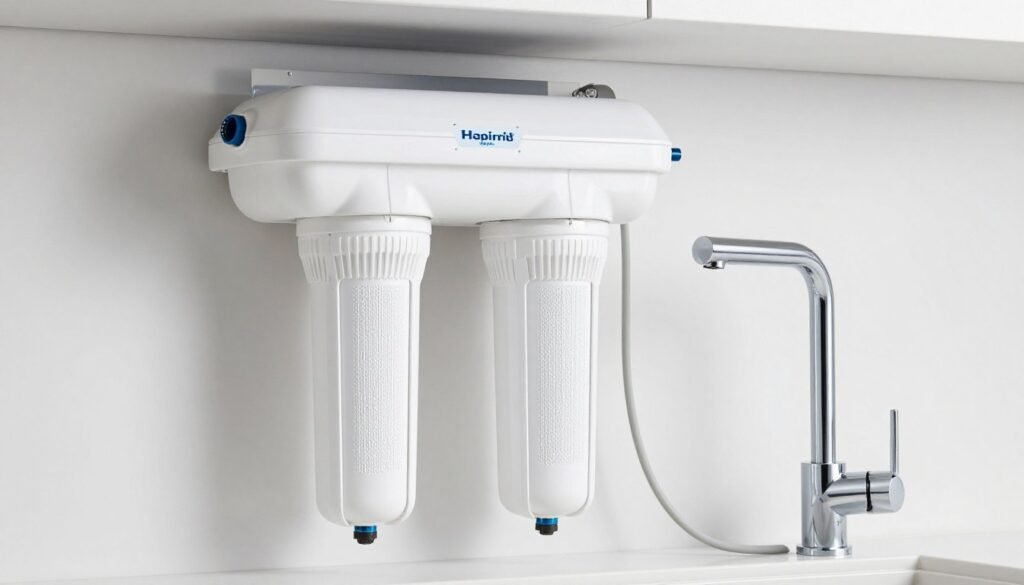
Reverse osmosis is a powerful purification technology used in many homes across the United States. This process forces tap water through a semi-permeable membrane to catch tiny particles. It is incredibly effective at removing lead, arsenic, and nitrates that traditional filters might miss. For families worried about local water quality, reverse osmosis provides a high level of security.
Home reverse osmosis water filtration systems are designed to handle the toughest contaminants. They provide purified water that is virtually free of any dissolved solids or chemical residues. While this purification process is intense, it ensures that your tap water is as safe as possible. We find this to be a top recommendation for homeowners with known pipe issues or industrial concerns.
One drawback of the reverse osmosis technique is that it removes beneficial minerals along with the bad ones. This can lead to water that feels “flat” or lacks a distinct taste. To combat this, many modern systems include a remineralization stage. This adds back electrolytes like magnesium to improve the health benefits of the final product.
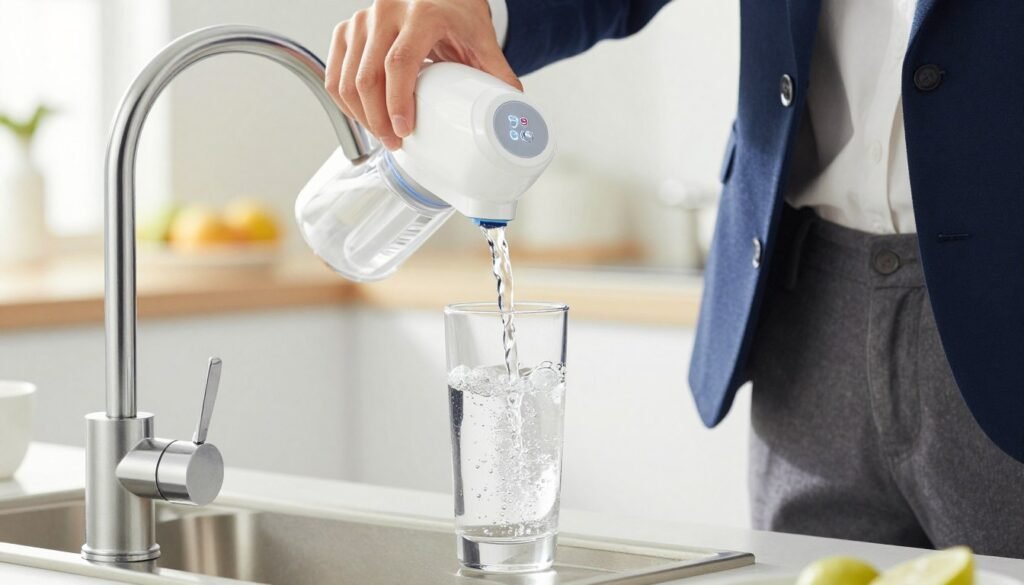
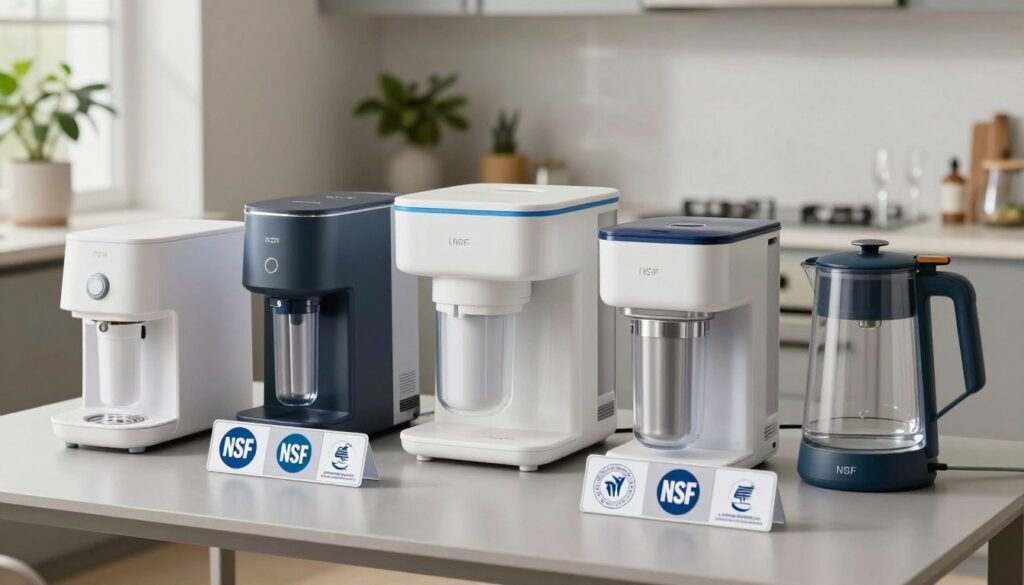
Using NSF certified water filters PFAS lead removal ensures that your device actually does what it claims. These certifications are independent gold standards that verify a filter’s ability to reduce specific toxins. When a filter carries the NSF seal, it has undergone rigorous testing in a laboratory. This gives homeowners peace of mind that their tap water is being cleaned effectively.
Different certifications target different issues, such as chlorine, heavy metals, or “forever chemicals.” We always suggest checking the specific NSF code to match your home’s needs. For example, NSF 53 is vital for those concerned about lead in older plumbing systems. This approach combines the convenience of the kitchen sink with the safety of professional purification.
Selecting a filter depends on your specific water source and what you want to remove. Carbon-based bottles or pitcher filters are great for taste but might not catch everything. More advanced countertop or under-sink units offer better health protection by trapping smaller molecules. By investing in the right process, you turn standard tap water into a high-quality hydration source.
Purified water is defined by its low level of impurities rather than its original source. To reach this standard, it often goes through several steps including ozonation and micro-filtration. These purification steps are designed to kill bacteria and remove microscopic parasites. Most bottled water sold in stores falls into this category because it is consistently clean.
Large-scale water brands use this process to ensure every bottle tastes exactly the same. It is a reliable choice when you are traveling and unsure about the local supply. The focus here is 100% on safety and removing any chance of illness. This makes it a staple for many households that rely on bottled water for their daily needs.
While purified water is exceptionally safe, it often lacks the mineral content found in a natural spring. Stripping the water down to its purest form means removing electrolytes that are helpful for the body. Some bottles will have “minerals added for taste,” but these are often synthetic. It is a trade-off between absolute purification and natural nutritional value.
Alkaline water has gained popularity for its potential to help balance the body’s internal environment. It typically has a pH level of 8 or 9, achieved through a higher concentration of minerals like calcium and bicarbonate. Some believe this helps neutralize acid in the bloodstream and improves oxygen delivery. While the health benefits are still being studied, many people find it easier on their stomachs.
The high pH in alkaline water often comes from a natural spring or a specialized ionization process. It is important to distinguish between naturally alkaline sources and those that are chemically altered. We recommend looking for waters that achieve their pH through natural mineral levels. This ensures you are getting a product that is both safe and functional.
For individuals with specific digestive issues, alkaline water can provide much-needed relief. It is also a favorite among those who engage in high-intensity exercise. The extra minerals can help replace what is lost through sweat during a workout. However, it is not always necessary for everyone, and a neutral pH is perfectly fine for most daily needs.
Distilled water is the result of boiling water into steam and then cooling it back into a liquid. This purification process leaves behind almost everything, including heavy metals and pathogens. It is the healthiest water option for people living in areas with severe contamination. If your local supply is compromised, distillation provides the highest level of purification possible.
Many use this water for medical devices or infant formula to ensure no bacteria are present. It is the ultimate “blank slate” in the world of waters. While it requires energy to produce, the safety it offers in an emergency is unmatched. We suggest keeping a few bottles on hand for situations where tap safety is in question.
Drinking distilled water exclusively can be problematic because it has zero mineral content. Because it lacks electrolytes, it may not hydrate the body as effectively as mountain valley or natural spring sources. Over time, it can even leach minerals from your system if your diet is not adequate. For long-term use, it is best to supplement with a mineral-rich diet to stay balanced.
Since manufacturers can claim almost anything about their products, third-party testing serves as a vital safeguard for consumers. NSF International is an independent group that tests water treatment systems to see if they actually work. They provide a seal of approval that proves a filter meets specific safety standards.
We believe that looking for these certifications is the best way to avoid misleading marketing. These tests confirm that the performance you pay for is what you actually receive. Always check for the official NSF mark before you make a final purchase.
This standard specifically targets contaminants that have a direct impact on human health. It certifies that a filter can reduce lead, which is a major concern for those with older tap plumbing. It also covers cysts like Giardia and Cryptosporidium that can cause serious illness.
If your home has lead service lines or fixtures, this certification is non-negotiable. It ensures your filtration system provides a critical layer of defense against these invisible threats. Many of these units also reduce volatile organic compounds (VOCs).
| NSF Standard | Primary Focus | Common Contaminants |
|---|---|---|
| Standard 53 | Health Effects | Lead, Mercury, Cysts |
| Standard 58 | Reverse Osmosis | Arsenic, TDS, Radium |
| Standard 401 | Emerging Threats | PFAS, Microplastics, Drugs |
This certification is designed exclusively for reverse osmosis units. It verifies that the entire purification process is effective at removing total dissolved solids (TDS) and metals. This includes testing the performance of the storage tank and the faucet components together.
A system with this rating is proven to reduce hexavalent chromium, nitrates, and copper. Because it tests the whole unit, you can be sure every part works in harmony. It is the gold standard for high-performance home treatment.
Modern water supplies often contain new types of pollution like PFAS “forever chemicals” and herbicides. Standard 401 is the newest certification that addresses these emerging risks. It covers 15 specific substances that standard carbon filters might miss during the filtering cycle.
Choosing a system with this rating is highly recommended for families near industrial areas or farms. Many filters carry multiple NSF ratings to offer the broadest protection possible. You should always verify these claims by checking the NSF online database directly.
Across the United States, the safety of your tap water varies significantly depending on your specific location. Quality is rarely uniform, as it changes between regions, states, and even neighboring streets. This variation happens because local geography and the original water source determine the initial purity level.
In the East, many communities rely on surface sources like rivers or reservoirs, which are prone to runoff. Conversely, Western states often depend on deep groundwater that may contain high mineral levels or naturally occurring arsenic. Municipal systems treat these supplies for bacteria and chemicals to remain in compliance with federal standards.
However, the path the water comes from the treatment plant to your kitchen can introduce new issues. Older plumbing often changes the flavor or introduces trace metals before the liquid reaches your glass. Knowing your region’s specific challenges helps you decide which filtration method is right for your family. Checking your local Consumer Confidence Report is the best way to understand these regional nuances and stay informed about your local supply.
| U.S. Region | Primary Origin | Common Regional Risks |
|---|---|---|
| Northeast | Surface Water | Lead, Industrial Chemicals |
| Midwest | Groundwater/Surface | Nitrates, Pesticide Runoff |
| West | Groundwater | Arsenic, High Mineral Content |
Certain states face tougher challenges due to their unique industrial or agricultural history. California, Texas, and Florida currently lead the nation in PFAS detections, which are often linked to manufacturing and military sites. These “forever chemicals” persist in the environment and require specialized filtration to remove effectively.
In the agricultural heartland, states like Iowa and Nebraska battle high nitrate levels from fertilizer runoff. Meanwhile, Michigan, Pennsylvania, and New Jersey deal with legacy lead issues from older urban centers. These patterns show that your geographic footprint directly influences the potential risks found in your daily glass of hydration.
Infrastructure age is a critical factor in determining modern safety for homeowners and families. Cities with plumbing systems built before 1986 face the highest risks from lead pipes and fixtures. As water comes from a treatment source, it may be clean, but it can pick up lead through corroded service lines.
Aging pipes also develop small leaks that allow external contaminants or bacteria to seep into the supply. This degradation often affects the water safety and flavor, making it essential to test your home’s unique plumbing for trace metals. Even well-maintained municipal systems struggle when the underground distribution network begins to crumble and fail over time.
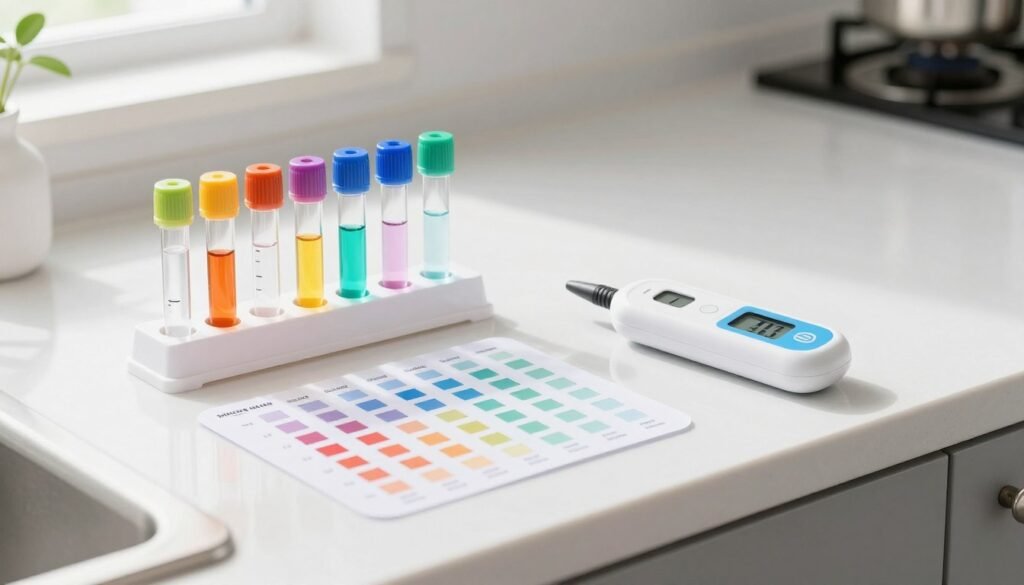
You cannot fix a problem you haven’t identified, making a thorough analysis essential for any household. Understanding your water quality is the foundation of a healthy home. Testing is the only way to ensure your family’s safety from invisible threats.
While municipal systems treat for bacteria, the tap quality often changes as it travels through aging pipes. Homeowners should never assume safety without verifying it themselves. High-quality testing reveals exactly what needs to be removed from your supply.
This data informs your choice of a filtration system. By identifying specific risks, you can select a filter certified to target those exact issues. Knowledge is the ultimate protection for your loved ones and your long-term health.
Your specific needs depend entirely on where your water comes from. Municipal users should focus on infrastructure issues like lead or copper. These metals often leach from pipes in homes built before 1986.
Well owners face different risks and must conduct annual bacteria tests. They should also monitor for nitrates, arsenic, and pesticides. Since wells lack federal oversight, the responsibility for safety rests entirely on the homeowner.
Certified laboratories offer the most accurate and legally defensible results. They provide a comprehensive look at a wide range of contaminants. This is the best choice for new homes or when you suspect a contamination event.
At-home kits provide a faster, more affordable monitoring option. These basic strips or mail-in kits work well for periodic checks. However, they are often less precise than professional lab analysis and may require very careful collection procedures.
True hydration safety requires a balance between the quantity of liquid you consume and the purity of your source. Since the human body is approximately 60% water, staying hydrated is essential for organ function and cognitive clarity.
While many people aim for eight glasses daily, your actual needs depend on activity levels and climate. Athletes and those in hot environments require significantly more drinking water to prevent heat-related illness and performance decline.
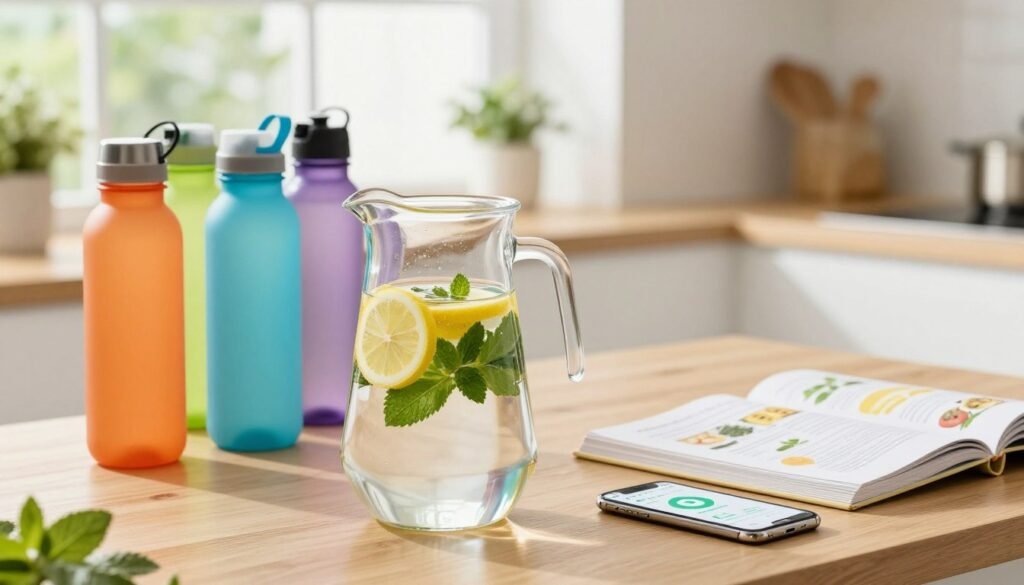
Monitoring urine color provides a more reliable guide than relying solely on thirst. Aim for a pale yellow color to ensure you are consistently meeting your hydration goals throughout the day.
| Individual Factor | Hydration Need | Safety Consideration |
|---|---|---|
| Climate | Increase intake in heat | Avoid plastic in direct sun |
| Activity Level | Drink before and after | Use NSF-certified filters |
| Storage | Emergency backup | Rotate every 6–12 months |
Safe storage is just as vital as the source itself. Always use food-grade containers and avoid leaving plastic bottles in high heat, which can cause chemicals to leach into your supply.
Optimal hydration combines adequate intake with water safety—drinking contaminated water undermines health even when consuming sufficient volume.
While we once viewed every bottle as a symbol of purity, marketing often masked the true source of our hydration. Many bottled water brands actually utilized purified municipal water rather than pristine springs. This bottled water paradox meant consumers paid a premium for water bottled from public systems. The FDA oversaw these water brands, but their testing requirements were often less frequent than EPA standards for tap water.
We evaluated each bottled water brand by looking at the water sourced from protected springs. A high-quality choice like Mountain Valley Spring offered genuine minerals and a fresh taste. However, most bottles were plastic bottles that could leach chemicals like phthalates into the liquid. Even a bottle made 100 percent from recycled plastic still posed risks of microplastic contamination over time.
For maximum safety, glass bottles or aluminum provided an inert choice for consumers. Although a bottle made 100 percent from recycled plastic helped the environment, plastic bottles remained prone to leaching. We found that the taste of premium water brands in glass bottles stayed more consistent. The material of the container matters as much as the liquid inside. Every bottled water brand should be transparent about its testing and source.
Using a bottle made 100 percent from recycled plastic shows a commitment to the planet. However, recycled plastic does not eliminate the potential for chemical transfer. A bottled water brand using glass bottles was often the safest bet for long-term storage. When you buy bottled water, ensure the water bottled is from a named natural source rather than a public utility.
We recommend bottled water as a travel alternative rather than a primary source. High-quality bottled water brands offer convenience, but home filtration is usually safer and more affordable. Choose bottles made 100 percent from sustainable materials when possible. Always check if your recycled plastic bottles have been stored in cool environments to prevent leaching from recycled plastic containers.
| Packaging Type | Safety Level | Environmental Impact |
|---|---|---|
| Glass Bottles | Highest (Inert) | High (Recyclable) |
| Recycled Plastic | Moderate (Leaching risk) | Better than virgin plastic |
| Aluminum Cans | High (Opaque) | Excellent recyclability |
Selecting the safest hydration option is a personal process guided by testing and proactive filtration. The healthiest water for your home depends on local infrastructure and specific contamination risks. No single source is perfect, so we must balance removing toxins with retaining beneficial minerals.
Making an informed choice ensures long-term safety for your family. Protected spring sources and NSF-certified systems offer excellent protection against emerging threats like PFAS. Regular testing remains the critical first step in securing your domestic supply.
Drinking clean, mineral-rich fluids is a vital investment in your long-term health. Stay proactive by monitoring your local quality reports and maintaining your filtration systems regularly. Your commitment to purity provides lasting peace of mind for everyone in your household.
| Water Safety Step | Action Required | Primary Benefit |
|---|---|---|
| Initial Testing | Professional Lab Analysis | Identifies specific local contaminants |
| Filtration | Install NSF-Certified Systems | Removes lead and forever chemicals |
| Maintenance | Regular Filter Changes | Ensures consistent hydration purity |

[…] Water purity is especially important during chemotherapy. For a full guide to the healthiest water choices, see: What Is the Healthiest Water to Drink? A Guide to Safe Hydration. […]
[…] For the full picture on which water types are genuinely healthiest — including filtered options — see our main guide: What Is the Healthiest Water to Drink? A Guide to Safe Hydration. […]
[…] If your urine is pale yellow and you rarely feel thirsty, your hydration routine is working, whatever the label on your bottle says. And if you dislike the taste of your tap water, the fix is usually filtration rather than pricier bottled options — see our guide to the healthiest water to drink. […]