
Beautiful Plants For Your Interior

Do you really need to wait 30 minutes to drink after eating? What the research says about stomach acid, bloating and weight loss, and who should wait.
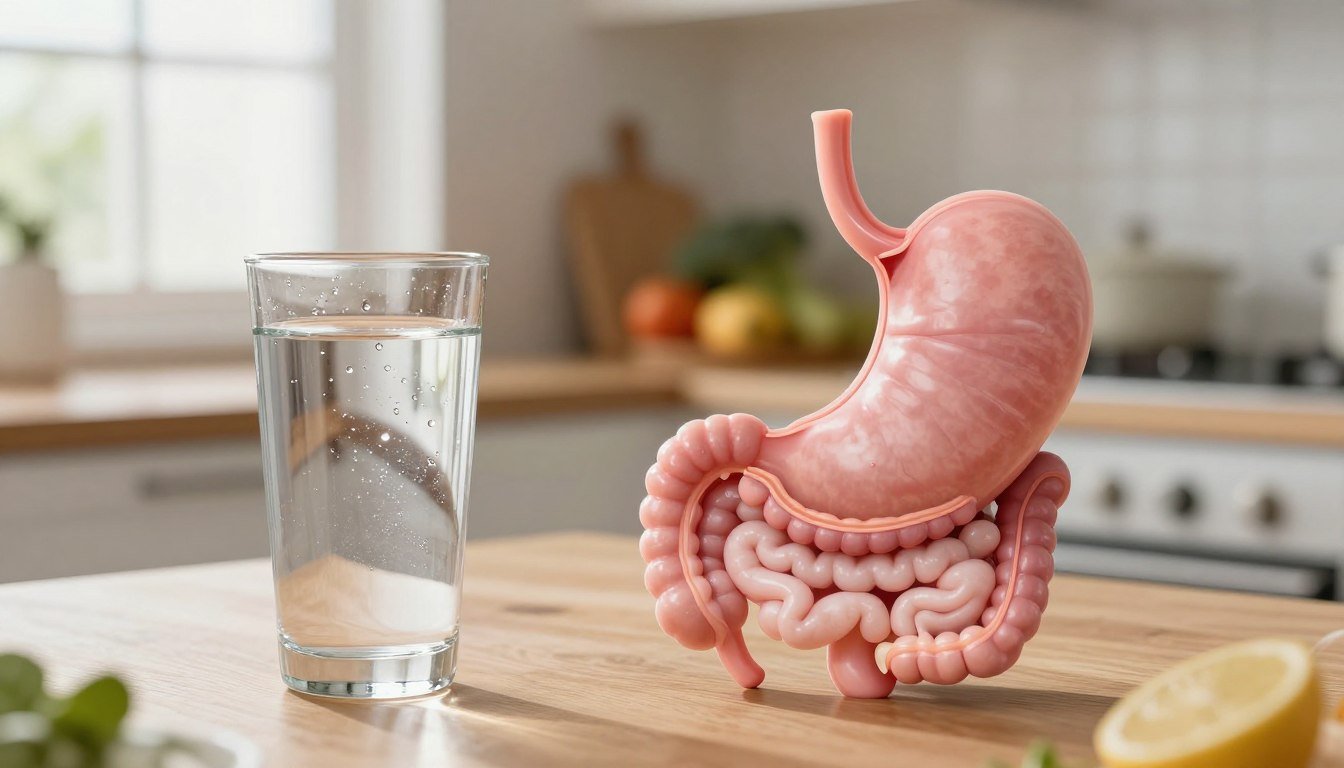
Short answer: for most healthy people there is no good evidence that you need to wait 30 minutes to drink water after eating. Mayo Clinic says water does not cause problems with digestion or thin the fluids your body uses to digest food. The 30-minute rule is real advice for a few groups: people recovering from weight-loss (bariatric) surgery, people with dumping syndrome, and some people with acid reflux or GERD, who may be more comfortable sipping with meals and drinking larger amounts between them.
Some links below are affiliate links. If you buy through them we may earn a commission at no extra cost to you. See our Affiliate Disclosure.
Updated November 2026. Below, we look at where the rule comes from, test the common claims against the research, and explain who may actually benefit from waiting.

The rule is not made up. It is standard instruction after weight-loss surgery. Columbia University’s post-bariatric surgery diet guide tells patients: “Do not drink with your meals and wait 30 minutes after you have finished eating to drink again.” After gastric bypass or sleeve gastrectomy the stomach pouch is small, and fluid taken with food fills space that is needed for protein.
It is also advice for dumping syndrome, where food moves from the stomach into the small intestine too quickly. The National Institute of Diabetes and Digestive and Kidney Diseases (NIDDK) says a doctor may recommend “waiting to drink liquids until at least 30 minutes after a meal.”
Somewhere along the way, advice written for these patients turned into a general wellness rule, often mixed with older folk beliefs that liquid with food “weakens” digestion. That is the part the evidence does not support.
| Claim | Verdict | Source |
|---|---|---|
| Water dilutes stomach acid and stops digestion | Mostly myth. A glass of water raised stomach pH above 4 for about 3 minutes; digestion carries on. | Karamanolis et al., 2008; Mayo Clinic |
| Drinking with meals causes bloating | Sometimes, depending on what and how. Fizzy drinks and drinking fast make you swallow more air, which causes gas. Plain water sipped normally is not a known cause. | NIDDK |
| Water with meals helps weight loss | Modestly, in one trial. 500 mL before each main meal led to about 2 kg (4.4 lb) more weight loss over 12 weeks in adults aged 55–75 on a lower-calorie diet. | Dennis et al., 2010 |
| Water with meals blocks nutrient absorption | Myth. Water helps break down food so your body can absorb nutrients. | Mayo Clinic |
This is the claim behind most of the advice, and it has been measured. In a small study in Digestive Diseases and Sciences (Karamanolis et al., 2008), drinking a glass of water pushed stomach pH above 4 within one minute in 10 of 12 healthy volunteers, but the effect lasted only about 3 minutes. Acid-reducing medicines, by comparison, kept the pH up for hours. In other words, water briefly dilutes what is in the stomach, and the stomach goes on secreting acid as it digests a meal.
That matches Mayo Clinic’s answer to the question: water is part of digestion (it is in saliva and stomach juices), it helps break down food, and it does not thin the body fluids used in digestion.
Some people do feel full or bloated when they drink a large glass with a meal, and that is a reasonable signal to drink less at once. But the usual culprits are carbonated drinks and drinking quickly: according to the NIDDK, both make you swallow more air, which shows up as gas and belching. If meals leave you bloated, try still water in small sips before cutting water out.
Possibly a little. Mayo Clinic notes that water adds fullness without calories. In a 12-week randomized trial (Dennis et al., Obesity, 2010), 48 adults aged 55–75 followed a lower-calorie diet; those who also drank 500 mL (about 17 oz) of water before each main meal lost about 2 kg more than the diet-only group. It is one small study in older adults, so treat it as a helpful habit rather than a weight-loss method.
The 30-minute wait is worth following if a doctor or dietitian has told you to, and it may help in these situations:
This is where the rule is standard: no drinking with meals, and wait 30 minutes after eating (per Columbia’s post-surgery diet guide). Your surgical team’s instructions come first, and many programs also ask you to stop drinking before meals.
The NIDDK lists waiting to drink until at least 30 minutes after a meal among the eating changes a doctor may recommend, along with smaller meals.
A bigger stomach volume can push contents back up toward the esophagus, so a large drink with a large meal may make reflux worse for some people. A registered dietitian writing for the Gastrointestinal Society suggests “sips of liquids with meals as needed, and larger amounts of liquids 1–2 hours before or after a meal,” along with smaller meals, especially later in the day. That is a comfort strategy, not a cure; if heartburn happens often, see a doctor.
Here the “fullness” effect works against you. Mayo Clinic says people trying to gain weight should limit how much they drink at mealtimes, so they have room for food. Drink most of your water between meals instead.
People with some heart, kidney or liver conditions may need to restrict water. Follow your healthcare team’s limits rather than any general rule.
| Situation | What to try | Source |
|---|---|---|
| Most healthy adults | Drink when you like, before, during or after meals | Mayo Clinic |
| Bloating after meals | Still water, small sips, slower drinking; skip fizzy drinks | NIDDK |
| Reflux / GERD | Sips with meals; larger drinks 1–2 hours before or after | Gastrointestinal Society |
| Underweight or small appetite | Limit drinks at mealtimes; drink between meals | Mayo Clinic |
| After bariatric surgery | No drinking with meals; wait 30 minutes after eating | Columbia Surgery |
| Dumping syndrome | Wait at least 30 minutes after a meal to drink | NIDDK |
Timing matters in a few other situations too, such as right before bed or during intense exercise; see which times are not good for drinking water. For the bigger picture of what water does in the body, read our hydration and health guide, and for how fast a drink actually reaches your bloodstream, see the hydration timeline.
For most people, no. Drinking water during or right after a meal does not meaningfully weaken stomach acid or block nutrients, and it can make you feel fuller. Wait 30 minutes if you have had bariatric surgery or have dumping syndrome, and consider keeping mealtime drinks to small sips if you have reflux or struggle to eat enough. If drinking with food makes you uncomfortable, change the amount or the timing; there is no need to force a rule that does not help you.
If you’ve been increasing your water intake, it’s worth knowing what’s actually coming out of your tap. Your utility’s annual report covers the whole system average, not your house — and it says nothing at all about private wells or your own plumbing. A certified lab test gives you a full contaminant panel and, just as often, tells you your water is fine and you don’t need to buy anything.

[…] For the full guide on drinking timing and digestion: Why You Should Wait 30 Minutes to Drink After Eating. […]
[…] Full guide on drinking timing and digestion: Why You Should Wait 30 Minutes to Drink After Eating. […]
[…] Full guide on drinking timing and digestion: Why You Should Wait 30 Minutes to Drink After Eating. […]
[…] Full guide on drinking timing and digestion: Why You Should Wait 30 Minutes to Drink After Eating. […]