
Beautiful Plants For Your Interior

Why should you wait 30 minutes to drink after eating? Learn how timing your water intake impacts digestion and hydration based on current scientific research.
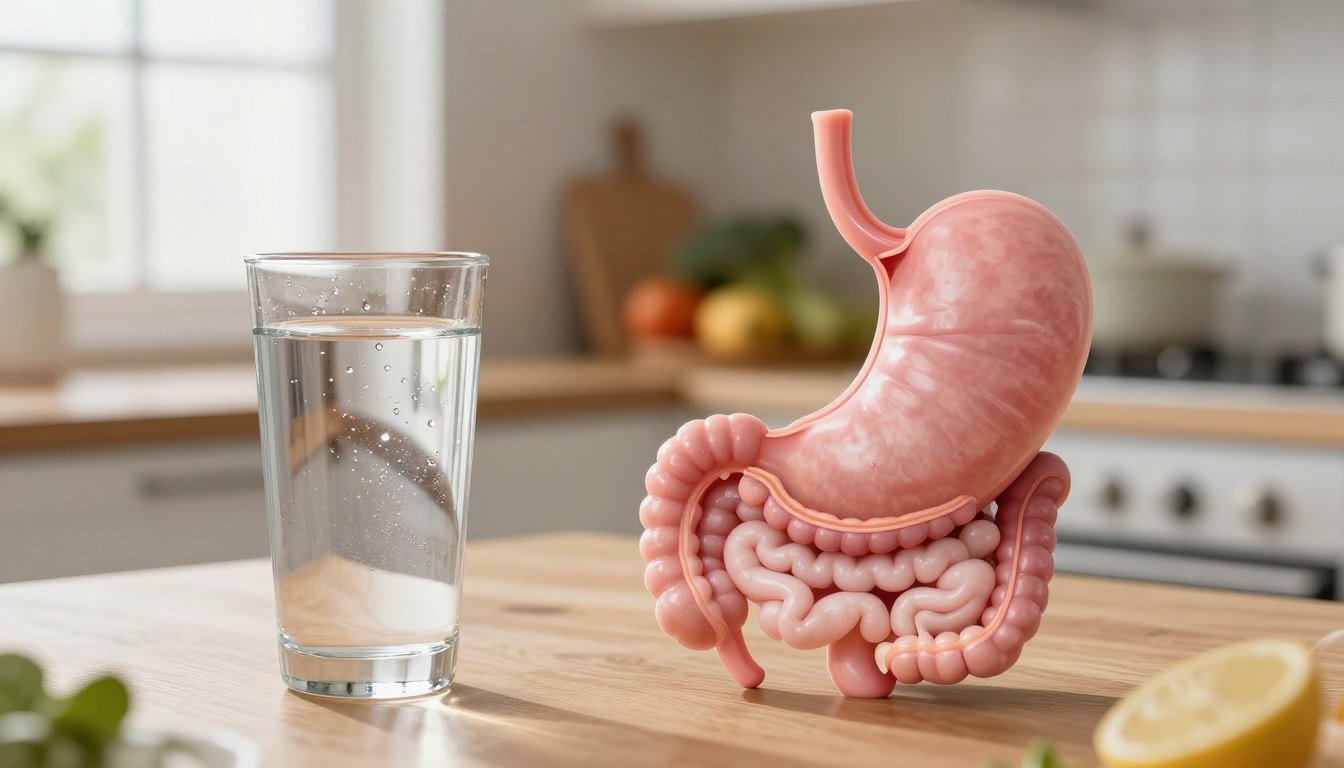
Many people wonder if they should consume liquids while sitting down for dinner. The debate over drinking water during meals often leaves families feeling confused about their health. Conflicting advice creates uncertainty for those trying to improve their daily routine.
Some links below are affiliate links. If you buy through them we may earn a commission at no extra cost to you. See our Affiliate Disclosure.
Some claim that drinking fluids slows down digestion. Others argue that water actually supports the process. We explore these claims using current research to help you maintain proper hydration.
Understanding how the body reacts to water intake results in better habits. This article examines if the 30-minute rule offers a significant advantage or if it is just a myth. Whether you use a private well or city sources, the timing of your drinking water intake matters.
We provide a balanced look at how water impacts the body when paired with different meals. Proper water use is key for a happy home. We also look at how drinking affects the way your system functions during meals.
Timing your beverage intake around food is a common practice in health circles today. This specific habit involves pausing your drinks to allow the body to process nutrients better. By managing the time you spend hydrating, you can follow your body’s natural rhythms more closely.
The guideline is simple. You should avoid drinking any liquids for at least 30 minutes before you eat. You should also wait 30 minutes after you finish your meal.
Supporters suggest that this timing is suitable for the functioning of organs in the body. They argue that separating water from solid food keeps the stomach environment stable for optimal digestion. This ensures that the natural process of breaking down food remains efficient.
This practice comes from traditional medicine and old folk wisdom. These traditions suggested that mixing liquid and food might slow down the body’s internal heat. While modern views vary, the idea has lasted for generations.
It remains a popular way to improve comfort after meals. Many traditional systems emphasize that the body works best when it focuses on one task at a time. Separating fluids and solids is a core part of that philosophy.
Many people adopt this routine for different reasons. People interested in weight management or those who feel that drinking water during meals causes bloating often follow it. It helps them feel more in control of their digestive health.
Furthermore, it is a common medical rule for certain surgery patients. This helps them manage their health safely during recovery. Understanding who uses this rule helps clarify if it is right for your own needs.
The 30-minute drinking rule is exactly what it sounds like: after bariatric surgery, you should avoid drinking any liquids for at least 30 minutes before eating a meal and wait at least 30 minutes after finishing your meal.
To answer the question of timing, we must first analyze the arguments that discourage drinking during or immediately after a meal. These claims often suggest that your digestive system works best when it handles solids and liquids separately. Many people follow this rule to ensure their body processes food as efficiently as possible.
Understanding these concerns helps homeowners and families make informed decisions about their daily habits. Most of these beliefs center on the delicate chemistry required to process a meal. Here is a closer look at the four primary reasons cited by proponents of this practice.
One major concern is that drinking water dilutes stomach acid. This acid is vital for the initial phase of digestion. Proponents of the rule believe that diluted stomach acid cannot properly dissolve meals.
However, this claim implies your body cannot adjust its secretions based on what you consume. In reality, the stomach senses the meal and releases more acid as needed to maintain a consistent environment. The body is highly adaptable to the volume of liquid in the stomach.
Another common claim is that extra water interferes with the work of enzymes. These enzymes are necessary to break food into smaller nutrients that the body can use for energy. Without a concentrated environment, some believe these biological catalysts lose their potency.
If these enzymes are “washed away,” proponents argue that the break food process slows down significantly. This could leave the body struggling to manage the complex chemical breakdown of a heavy meal. Maintaining enzyme concentration is often the main goal for those following timing rules.

Some people believe that liquids act like a slide, making solids leave the stomach too quickly. This faster transit might reduce the time the food spends with gastric juices. Proponents worry that if a meal exits the stomach too fast, it misses the primary window for breakdown.
Yet, no scientific research supports the claim that liquids significantly speed up the exit of solid matter. The stomach is quite effective at holding onto solids until they reach the correct consistency. Fluids usually pass through while solids remain for further processing.
Finally, many worry that drinking with meals negatively impacts nutrient absorption. If the process is rushed or enzymes are weak, the total absorption of vitamins and minerals might decrease. This could lead to a less efficient use of the healthy meals you prepare.
People follow the 30-minute rule to maximize their digestion efficiency and ensure long-term health. They believe this specific window of time is the best way to answer the question: Why should you wait 30 minutes to drink after eating?
| Common Claim | Primary Concern | Expected Outcome |
|---|---|---|
| Acid Dilution | Reduced stomach pH | Incomplete breakdown of solids |
| Enzyme Interference | Diluted biological catalysts | Slower chemical processing |
| Fast Transit | Shortened contact time | Premature exit from the stomach |
| Malabsorption | Reduced vitamin uptake | Lower nutritional value from meals |
Many claim that drinking water with meals dilutes stomach acid and digestive enzymes, making it more difficult for your body to digest food. However, this claim implies that your digestive system is unable to adapt its secretions to the consistency of a meal, which is false.
The human body uses a highly specialized series of events to turn your lunch into usable energy and repair materials. This complex digestive system relies on both mechanical and chemical actions to break down everything we consume. By understanding this natural flow, we can better evaluate our post-meal habits and hydration choices.
This biological process is not immediate; it often takes anywhere from 24 to 72 hours to complete. It involves multiple organs working in perfect harmony to ensure that nothing you eat goes to waste.
“Digestion starts in your mouth as soon as you start to chew your food. Chewing signals your salivary glands to start producing saliva, which contains enzymes that help you break down food.”
Digestion begins the moment you chew your food. Saliva contains essential enzymes that start breaking down carbohydrates immediately before you even swallow. Once the food enters the stomach, it mixes with acidic gastric juice to create a thick, nutrient-rich liquid called chyme.
The chyme then moves into the small intestine for the most critical part of the process. Here, it meets bile and pancreatic enzymes to release every essential nutrient. Most nutrients enter the bloodstream during this specific stage, fueling your cells and organs.
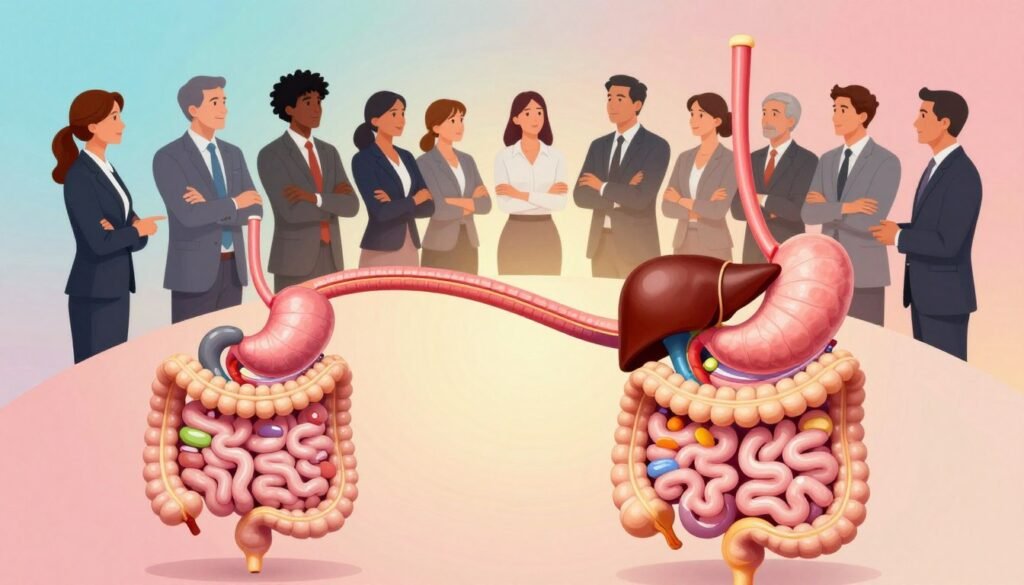
Gastric juices act as specialized biological tools within the system. These fluids must maintain a specific chemical balance to dissolve proteins and kill harmful bacteria. This ensures that the chemical environment remains ideal for enzyme activity throughout the meal.
Your body is incredibly adaptable and regulates acid levels based on the specific volume of the food consumed. The system constantly adjusts its output to ensure efficient digestion regardless of minor variables. This resilience allows us to handle various meal sizes and liquid intakes without failing to absorb what we need.
| Stage | Primary Location | Key Function |
|---|---|---|
| Mechanical Breakdown | Mouth | Chewing and saliva mixing |
| Chemical Liquefaction | Stomach | Gastric juice creates chyme |
| Nutrient Extraction | Small Intestine | Enzyme mixing and absorption |
| Waste Processing | Large Intestine | Water recovery and system exit |
Scientific studies on how water meals impact our bodies show that our systems are very strong. Experts have spent years studying how liquids interact with the human gut. We often find that the body adapts quickly to maintain its balance.
Many people fear that water dilutes stomach acid and ruins digestion. However, clinical studies show that the body regulates its own pH levels with great precision.
The stomach simply creates more acid if it needs to keep the environment stable for food. This sophisticated self-regulation ensures that the breakdown of your meal continues as it should.
Another worry involves the effect of liquids on enzymes. Evidence suggests that these biological catalysts continue to work well even when you are drinking water.
Some research even shows that certain acidic water drinks can increase saliva secretion. This actually helps the early stages of the digestive process rather than hindering it.
A study on stomach emptying looked at how liquids move through the human system. While liquids pass through faster than solids, they have no effect on the speed of solid food.
This proves that water meals do not push undigested food out of the stomach too early. Solid food stays in the stomach long enough for proper breakdown, regardless of the water used during the meal.
There is no scientific proof that drinking water meals negatively impacts the absorption of nutrients. Research shows no difference in vitamin levels between those who drink and those who do not.
No evidence shows that alcohol or acidic drinks, when consumed in moderation, hurt the absorption process. Most people can enjoy drinking water without harming their digestion.
Science has not proven any cause of disorders from water meals during a sitting. In fact, drinking water meals helps you stay hydrated while you eat. We recommend staying informed about drinking water meals to avoid unnecessary worry, as water meals remain a safe choice for healthy individuals.
Certain physiological changes in the body make the habit of waiting to drink after a meal a non-negotiable rule for health and safety. While most healthy adults can hydrate freely, patients who have undergone weight loss surgery face a different reality. For these individuals, the timing of drinking is a matter of clinical necessity rather than just a lifestyle choice.
Surgical procedures like gastric bypass or sleeve gastrectomy fundamentally alter how your digestive system functions. These changes require strict adherence to timing to ensure the body receives adequate nutrition. Professionals recommend this separation to protect the integrity of the surgical repair and maximize health outcomes.
After a weight loss procedure, the stomach is significantly smaller, often reduced to the size of a large egg. Because of this limited space, drinking liquids within 30 minutes eating can fill the pouch too quickly. This prevents the patient from consuming the high-quality food needed for recovery and long-term weight management.
When a patient chooses to drink during a meal, they risk a complication known as dumping syndrome. This occurs when liquids flush undigested food into the small intestine far too rapidly. This rapid transit prevents the digestive tract from handling the intake properly.
“Dumping syndrome can cause very uncomfortable symptoms, including: Nausea and vomiting, Abdominal cramping and pain, Diarrhea, Dizziness and lightheadedness, Rapid heart rate, Sweating, Weakness and fatigue.”
Maintaining proper nutrient absorption is the primary reason post-surgery patients follow this strict schedule. The loss of stomach volume means every bite of food must be processed efficiently without being diluted by fluids. If liquids wash away digestive enzymes, the risk of malnutrition increases significantly during the weight management journey.
Strategic timing ensures that the limited stomach space is reserved for protein and essential vitamins. Following the 30-minute rule helps the body slowly process nutrients, which is vital for long-term loss success. This medical necessity differs fundamentally from general wellness trends seen in popular media.
Beyond weight loss surgery, other gastrointestinal issues may benefit from separated fluid intake. People with severe acid reflux or delayed gastric emptying might find relief by waiting several minutes eating. For these individuals, managing weight and digestive comfort requires a tailored approach to hydration.
| Condition | Primary Impact | Benefit of Waiting |
|---|---|---|
| Gastric Bypass | Reduced Volume | Prevents overfilling |
| Dumping Syndrome | Rapid Transit | Controls movement |
| Severe GERD | Backflow Risk | Reduces pressure |
| Gastroparesis | Slow Emptying | Improves nutrition |
Medical guidance should always take precedence over general advice when specific health conditions are present. If you are on a weight management path, nutrient absorption remains the top priority. Always consult with a healthcare provider to determine if your loss journey requires these specific timing protocols.
Integrating hydration into your dining routine supports your body through natural processes. While some people fear that drinking water slows down digestion, clinical evidence tells a different story. Proper fluid intake during meals provides several key health benefits that improve your overall well-being.
Liquids help the body break down large chunks of food efficiently. This process makes it easier for nutrients to slide down your esophagus and enter the stomach. Water effectively softens and dissolves the items you eat, which allows digestive enzymes better access to vital nutrients.
You can drink water to keep your digestive tract moving smoothly. Maintaining a soft consistency in your stool prevents the discomfort of constipation and chronic bloating. When you consume enough water throughout the day, you ensure that waste moves comfortably through your system.
Water helps dissolve and soften food in the stomach. Thanks to its ability to soften food, drinking enough water every day will reduce the risk of constipation.
Managing your appetite becomes much simpler when you include liquids with your food. These benefits extend beyond simple thirst to include better weight management. Using drinking water as a tool can help you recognize when you are truly satisfied.
When you finish a glass of water during a meal, it increases the volume in your stomach. This expansion sends physical signals to your brain that promote a feeling of fullness. This natural mechanism helps you control the amount of food you consume at once.
Research suggests that drinking water can significantly lower your daily calories. One 12-week study showed that people who drank 17 ounces before eating lost 4.4 pounds more than others. Consuming 500 ml can even boost your metabolism, helping you burn about 24 extra calories.
It is often hard to remember to drink water during a busy schedule. Tying your hydration habits to your meals ensures you get a steady supply of fluids. Enjoying a glass with every meal helps you maintain high energy levels and healthy intake goals.
| Category | Mechanism | Main Outcome |
|---|---|---|
| Digestion | Softens food particles | Better nutrient absorption |
| Weight | Increases fullness | Reduced amount of calories |
| Bowel Health | Lubricates waste | Prevents constipation |
| Routine | Regular intake | Consistent day-long hydration |
Whether you choose to consume liquid during your meal or wait some time depends on your unique digestion. For many, drinking water meals helps the stomach process foods easily. Scientific data suggests that drinking water meals is a safe habit for health.
However, certain people with problems like gastric reflux should adjust their habits. Those pursuing weight loss after surgery must separate water meals carefully to avoid problems. If drinking causes discomfort, try drinking water at a different time.
Proper hydration remains a priority for every meal. Avoiding liquid isn’t necessary unless you have stomach issues. Drinking water during meals can even support weight loss by making you feel full.
Most water meals studies show no loss of power. Regular water meals support digestion and hydration. Ensure you keep drinking water throughout the day.
Always listen to your body when drinking liquid with foods. High water intake supports health. Drinking with meals is fine for most. Drinking water meals should be a personal choice.
| Condition | Recommended Action | Key Benefit |
|---|---|---|
| Standard Digestion | Drink with food | Easier food breakdown |
| Bariatric Surgery | Wait 30 minutes | Prevents dumping syndrome |
| Acid Reflux | Drink between meals | Reduced gastric pressure |

[…] For the full guide on drinking timing and digestion: Why You Should Wait 30 Minutes to Drink After Eating. […]
[…] Full guide on drinking timing and digestion: Why You Should Wait 30 Minutes to Drink After Eating. […]
[…] Full guide on drinking timing and digestion: Why You Should Wait 30 Minutes to Drink After Eating. […]
[…] Full guide on drinking timing and digestion: Why You Should Wait 30 Minutes to Drink After Eating. […]
[…] Full guide on drinking timing and digestion: Why You Should Wait 30 Minutes to Drink After Eating. […]