
Beautiful Plants For Your Interior

Does drinking water help Zepbound nausea? Discover effective hydration strategies and practical tips to manage common GLP-1 side effects safely and effectively.
Starting Zepbound for weight loss often marks an exciting step toward better physical wellness. However, many people encounter a significant hurdle during their first few weeks of treatment. Clinical data shows that nausea affects nearly one-third of all patients as their bodies learn to process the drug.
Some links below are affiliate links. If you buy through them we may earn a commission at no extra cost to you. See our Affiliate Disclosure.
This FDA-approved medication works as a dual receptor agonist to improve your overall health. Because it slows down how quickly your stomach empties, it can lead to temporary digestive side effects. These symptoms are common but often improve as you continue your journey.
You may find yourself asking, does drinking water help Zepbound nausea? Understanding how to balance your fluid intake is a vital part of maintaining your health and comfort. Proper hydration serves as a foundational tool for managing the way your body reacts to these metabolic changes.
Related guide: Water for Weight Loss & GLP-1 — the full hydration guide
Navigating the journey of weight management with newer medical treatments requires a clear understanding of how these substances interact with your biology. Understanding your medication helps you stay committed to your health goals while managing any physical discomfort.
Zepbound is a dual-receptor agonist that targets both GIP and GLP-1 receptors. The FDA approved this treatment for chronic weight management in adults dealing with obesity or those who are overweight with related health issues.
By mimicking natural hormones, it helps regulate appetite and improves glycemic control. This action is also helpful for individuals managing diabetes, though Zepbound is specifically branded for those focused on fat loss.
One primary reason patients feel nausea is how the medication interacts with the stomach. It deliberately slows gastric emptying, which is the speed at which food leaves your digestive tract.
This process helps you feel full longer but can trigger side effects as the body adjusts to food staying in the system. When the digestive system moves slower, it is common to feel a sense of heaviness or queasiness.
Clinical trials show that nausea is a common side effect, affecting roughly 24% to 30% of patients. These figures depend heavily on the specific dose a person receives during their treatment escalation phase.
People treated for obesity or diabetes should know that side reactions are expected and manageable. For comparison, only about 8% of people in the control group reported similar issues during clinical studies.
| Treatment Group | Reporting Nausea | Commonality |
|---|---|---|
| Zepbound Patients | 24% – 30% | Very Common |
| Placebo Group | 8% | Infrequent |
| Typical Duration | Varies | Usually Temporary |
The good news is that nausea usually lessens over time for the vast majority of users. These side concerns are most noticeable when you first start these medications or when your doctor increases the strength of the injection.
As you continue using the medications, the biological effects typically fade and your digestive system adapts. Most patients find that the side effects diminish and notice fewer adverse effects as they reach a stable maintenance level.
“Most gastrointestinal side effects are mild to moderate in severity and typically occur during the dose escalation period.”
Maintaining adequate fluid levels often serves as the first line of defense when managing the digestive discomfort associated with weight loss injections. While drinking water may not stop the stomach upset caused by slowed gastric emptying, it plays a vital role in keeping your body balanced. This supporting role helps you stay on track with your goals while minimizing common hurdles.
Proper hydration helps the digestive system function more smoothly by supporting the natural movement of the gut. When you feel sick, sipping on clear fluids can help settle the stomach and reduce the risk of worsening your symptoms. Consistency is key, as taking small sips throughout the day is much easier on a sensitive stomach than drinking large amounts at once.
Common side effects like vomiting or diarrhea can quickly lead to dehydration, which is a significant concern for new patients. This condition often makes the feeling of nausea much more intense, creating a difficult cycle to break. By staying ahead of fluid loss, you ensure that your digestive system remains resilient during the adjustment period.
Consistent hydration is essential for your long-term health and the success of your treatment. It supports kidney function and helps your cardiovascular system stay stable as you lose weight. Without enough liquid, the effects of the medication can lead to fatigue, dizziness, and a general sense of being unwell.
The National Academies of Sciences, Engineering, and Medicine (NASEM) provides helpful targets for daily intake to protect your health. While individual needs vary, these general benchmarks offer a solid starting point for most adults. Note that these totals include water from all beverages and moisture-rich foods.
| Category | Daily Intake Recommendation | Total Cups (Approximate) |
|---|---|---|
| Men | 3.7 Liters | 15.5 Cups |
| Women | 2.7 Liters | 11.5 Cups |
| Sources | Beverages & Food | Combined Total |
“Staying hydrated is crucial because common adverse effects… can increase fluid losses beyond normal daily requirements.”
If you experience active vomiting or diarrhea, you may need to increase your intake beyond these standard targets. This proactive approach ensures your water levels remain high enough to support your metabolic changes and overall comfort.
Learning to spot the early signs of dehydration can prevent serious medical complications while using Zepbound. The FDA label for this medication specifically warns about the risk of acute kidney injury secondary to fluid loss.
This risk increases when patients experience severe gastrointestinal side effects like vomiting or diarrhea. Monitoring your physical state daily helps ensure your health remains a top priority during weight loss.
“The FDA label for Zepbound specifically warns about the risk of acute kidney injury secondary to dehydration in patients experiencing severe gastrointestinal adverse reactions.”
Mild fluid loss often starts with subtle changes that are easy to miss. Paying attention to these symptoms allows you to adjust your intake before the situation worsens.

You may first notice a persistent thirst or a sticky, dry feeling in your mouth and on your tongue. Fatigue or unusual tiredness often follows as your hydration levels drop below an optimal point.
Headaches and a general sense of lightheadedness are also common indicators. If you feel dizzy when standing up, your body is likely signaling a need for immediate fluid replacement.
A reduction in how often you visit the bathroom is a clear signal of reduced fluid volume. You may also notice your skin feels less elastic or that you are struggling with constipation.
When fluid loss becomes extreme, home remedies are no longer sufficient to protect your health. Recognizing these critical symptoms can be life-saving during your treatment journey.
Extreme fluid loss can lead to rapid breathing, a racing heartbeat, or sunken eyes. If you experience confusion or fainting, you must seek help from a healthcare provider immediately.
If you do not pass urine for 12 hours or longer, your kidneys may be under significant stress. This is a primary warning sign that this drug has impacted your internal balance significantly.
Inability to keep down any liquids due to persistent vomiting also requires an emergency provider visit. Do not wait for symptoms to improve on their own in these cases.
Checking your urine color is a practical way to track your status throughout the day. Pale yellow or straw-colored urine generally indicates that you have adequate fluid use and retention.
Dark yellow or amber urine suggests you need to increase your water intake. Note that some medications or vitamins can alter these colors, so always consider how you feel physically.
| Severity Level | Physical Signs | Recommended Action |
|---|---|---|
| Mild | Dry mouth, mild thirst, headache | Increase water and electrolyte intake |
| Moderate | Dark urine, fatigue, dry skin | Rest and prioritize consistent sipping |
| Severe | Confusion, no urine for 12 hours | Seek immediate emergency medical care |
| High Risk | Vomiting, rapid heart rate | Contact your doctor for side effect management |
Implementing a systematic protocol for intake helps your body adjust to the metabolic changes triggered by GLP-1 medications. Using essential fluids correctly and following these practical tips will reduce common side effects. These strategies provide the guidance you need to stay comfortable and energized.
“A systematic approach to hydration is not just a suggestion; it is a vital part of the treatment protocol for patients on GLP-1 therapy.”
GLP-1 medications can suppress your natural thirst signals. Do not wait for thirst to arrive before you reach for a glass. Set reminders on your phone to consume liquid regularly to reduce potential discomfort. Take time to focus on your schedule to ensure your body gets what it needs.
Rapidly drinking large amounts can overwhelm your digestive system. Instead, focus on a slow and steady intake method.
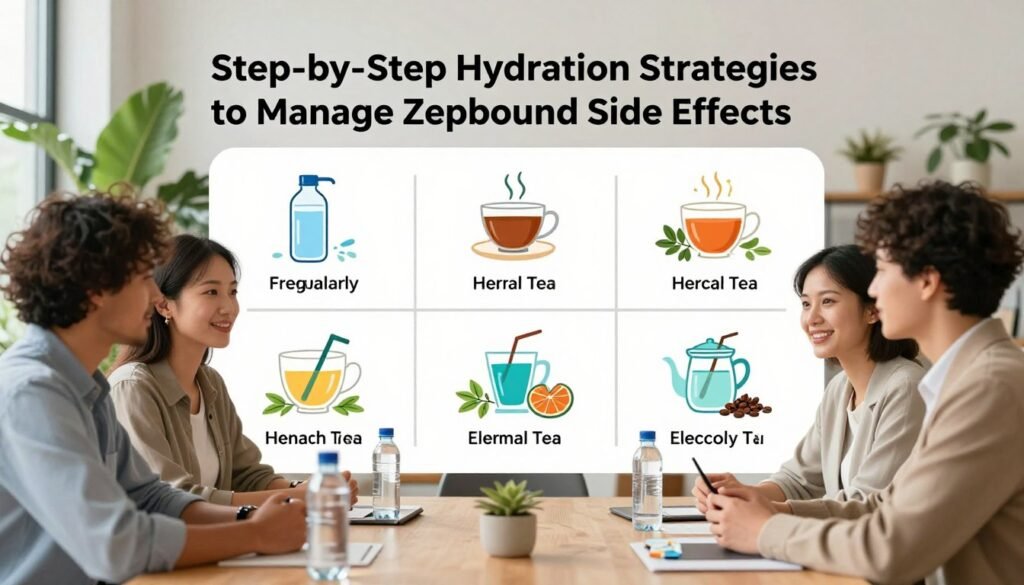
Small sips allow your stomach to process liquids slowly and efficiently. This consistency supports your daily nutrition and keeps your energy stable throughout day. It prevents the sudden stretching of the gastric lining that often leads to pain.
Drinking too fast can lead to a heavy, bloated feeling. Large volumes often trigger nausea because of slowed gastric emptying caused by the medication. Sipping slowly is the most effective way to avoid this sudden urge to vomit.
The type of liquid you choose matters just as much as how you drink it. Different temperatures can affect how your body responds.
Cold drinks can sometimes cause sudden cramping or spasming in a sensitive gut. Room-temperature water is often easier on the digestive tract and more tolerable for those with a sensitive system.
If you experience vomiting, you must replace lost minerals like sodium and potassium. Focusing on staying hydrated is essential for your long-term activity and overall health. These solutions restore balance faster than plain liquid alone.
Warm ginger tea can soothe gastric discomfort and relax the intestinal muscles. Clear broths provide hydration along with helpful electrolytes. You can also mix lemon into plain water for a refreshing change that might be easier to swallow.
Avoid drinking right before or during your meals. Large liquid volumes during mealtime can worsen nausea by taking up space needed for solid food. Aim to finish your drinks at least 30 minutes before you sit down to eat.
Choose foods like cucumber, oranges, or watermelon to supplement your intake. These high-moisture foods provide extra hydration and essential vitamins. This is a great way to stay hydrated when you cannot face a full glass of liquid. These simple tips make a significant difference in your daily comfort levels.
Use a marked water bottle to see your progress throughout day. Seeing your success makes it easier to reach your hydration goal every day. Following these final tips helps you reach your weight loss goals safely.
Adding the right food choices to your routine helps you feel much better. Healthy food supports your overall progress and metabolic health. Finally, remember to stay hydrated consistently to keep your recovery on the right track.
To truly master your comfort while on Zepbound, you must integrate dietary changes and lifestyle adjustments into your health plan. While water is essential, these proven methods provide a multi-layered defense against stomach discomfort. We have found that a holistic approach works best for long-term success.
GLP-1 medications slow down how quickly your stomach empties. Because of this, eating smaller portions more often is much better than three large meals. This shift prevents your digestive system from becoming overwhelmed at any single time.
Pay close attention to when you start feeling satisfied. Eating smaller bites and stopping early can prevent the nausea vomiting cycle often triggered by overeating. Ignoring these signals usually leads to prolonged digestive distress.
Stick to simple foods like plain yogurt, warm soups, white rice, or dry toast. These foods put less stress on your GI tract while still providing necessary nutrition. Even a small amount of peanut butter on a cracker can help settle your stomach.
Certain items can quickly trigger a side effect like acute nausea. You should avoid fried foods, alcohol, and heavy caffeine. Heavily processed food items often move slowly through the gut, increasing the risk of vomiting.
Studies show that ginger is a powerful tool for Zepbound nausea relief. Try adding crushed ginger to hot water for a soothing tea. This natural remedy helps calm the stomach without the need for additional medications.
A 2025 study highlighted the benefits of acupressure wristbands. All 31 participants reported feeling better within 20 minutes of use. These bands are a drug-free way to improve your overall health and daily comfort.
Sometimes lifestyle changes aren’t enough, and you might need prescription medications. Zofran (Ondansetron) is a common choice, usually taken in a 4mg or 8mg dose every 6 to 8 hours. It often comes in an under-the-tongue dissolving form for faster use.
Keep in mind that while this medication works well, long-term use can cause constipation. Constant vomiting is not a normal side effect and requires a call to your doctor. They may need to adjust your dose to prevent serious electrolyte imbalances.
Remaining upright after a meal is a simple but effective strategy. Engaging in light activity, such as a gentle walk or washing dishes, helps speed up digestion. Avoid lying down immediately after you finish your meals to keep symptoms at bay.
“Managing the digestive pace of GLP-1 therapy requires patience and a willingness to listen to what your body needs in the moment.”
| Strategy | Recommended Action | Key Benefit |
|---|---|---|
| Portion Control | Eating smaller, frequent bites | Supports nutrition without bloating |
| Dietary Shifts | Avoid alcohol and fried items | Prevents nausea vomiting triggers |
| Natural Aid | Use ginger or wristbands | Drug-free health support |
| Medication | Prescription dose as needed | Rapid relief for severe symptoms |
Monitoring your response to treatment helps you identify when common symptoms like nausea transform into serious medical concerns. While many people manage mild side effects independently, we recommend having a clear safety plan. Proper communication with your healthcare provider protects your long-term health during obesity management and weight loss.
Contact your healthcare provider within 24 hours if you experience persistent nausea or vomiting lasting more than a day. This is critical if you cannot maintain adequate fluid intake for more than 24 hours. Your provider may need to evaluate your dose to ensure the loss of fluids does not lead to complications.
Watch for consistently dark urine despite drinking more water or experiencing more than six loose stools in one day. Rapid weight loss accompanied by dizziness or worsening constipation also warrants a call. Early intervention helps keep your treatment on the right track.
| Condition Severity | Common Symptoms | Required Action |
|---|---|---|
| Moderate Concern | Persistent vomiting, dark urine, dizziness | Call provider within 24 hours |
| Medical Emergency | Confusion, no urine for 12h, fainting | Seek immediate emergency care |
| Complex Risk | Pre-existing kidney disease, multiple medications | Frequent health monitoring |
Seek immediate medical attention for signs of severe dehydration, such as confusion, extreme weakness, or fainting. Severe abdominal pain that radiates to your back may indicate pancreatitis. If you experience chest pain or go 12 hours without urinating, you face a high risk of acute kidney injury.
The FDA label specifically notes the risk of acute kidney injury in patients with renal impairment who experience severe gastrointestinal adverse reactions.
People with diabetes, heart failure, or chronic kidney disease must be extra vigilant. Certain medications, like NSAIDs or diuretics, can increase the risk of dehydration and renal issues. If you fall into these groups, maintain a lower threshold for contacting your provider to protect your overall health during treatment.
Managing the nausea associated with weight loss medications like Zepbound requires a balanced and thoughtful approach. While drinking water alone may not stop the drug from slowing your digestion, staying hydrated is vital for your body. Proper fluid intake supports your metabolic health while you navigate these new changes.
This common side effect affects many people starting their medical treatment. Most patients find that this common side concern fades as their system adjusts over several weeks. You are not alone in this experience, and the discomfort is usually temporary.
A successful loss journey involves using a multi-strategy plan rather than a single fix to ensure long-term weight loss success. We recommend combining fluid intake with diet changes and natural remedies like ginger or peppermint tea.
Always keep healthcare providers informed about your health status during each stage of the process. Persistent nausea can lead to a side effect like dehydration that requires professional medical attention. Monitoring your symptoms closely ensures you stay safe while achieving your goals.
Taking proactive steps helps you stay on track with your weight loss goals. Protecting yourself ensures the drug works effectively without a loss of motivation. Consistent care is the foundation of a positive experience with GLP-1 therapy.
Addressing every side concern promptly ensures you maintain side relief throughout the process. Learning to manage nausea supports your journey toward a loss of weight. With the right side management, you can focus on the therapeutic benefits of your medication.
