
Beautiful Plants For Your Interior

If you want the short answer: skip any bottled water with a documented contamination record. That list includes Real Water, which the FDA pulled from shelves in 2021 after it was linked to serious liver illness, and brands such as Peñafiel and Starkey, where testing has found arsenic at or near the 10 parts-per-billion federal limit. Beyond specific names, stay away from any brand that won’t show you a current, independently verified water quality report.
The rest of this guide walks through the brands with documented problems, the red flags that should make you put a bottle back on the shelf, and what to reach for instead. Where a claim comes from a regulator or an independent lab, we link the source so you can check it yourself.
Some links below are affiliate links. If you buy through them we may earn a commission at no extra cost to you. See our Affiliate Disclosure.
Most bottled water sold in the U.S. is safe and regulated by the FDA under its bottled water standard of quality. The brands below are the exceptions that made headlines for the wrong reasons — each backed by a recall, regulatory action, or published third-party testing.
In March 2021, the FDA warned consumers, restaurants, and retailers to stop drinking or selling “Real Water” brand alkaline water after it was linked to an outbreak of acute non-viral hepatitis — sudden liver injury — in the Las Vegas area, including cases in children. The company recalled its products and later ceased operations. It remains the starkest modern example of why “alkaline” and “premium” labels are not safety guarantees. If you live in the region where it was sold, our Nevada drinking water guide covers what’s actually in local tap water.
Peñafiel, a Mexican mineral spring water imported by Keurig Dr Pepper, drew scrutiny in 2019 when testing — including the company’s own — found arsenic levels above the FDA’s 10 ppb standard of quality. Keurig Dr Pepper suspended production at the source for two weeks and added enhanced filtration. Consumer Reports, which had flagged the brand in its arsenic testing, urged a recall. Arsenic is a known carcinogen with no beneficial level, which is why regulators cap it aggressively.
Starkey Spring Water, sold by Whole Foods, was recalled in 2016–2017 after samples exceeded the arsenic limit, and Consumer Reports testing in 2019 measured samples approaching the 10 ppb ceiling — higher than nearly every competing brand. Legal? Yes. But when dozens of brands test at 1 ppb or below, there’s little reason to choose one that hovers near the maximum.
In Consumer Reports’ 2020 testing of 47 bottled waters, Topo Chico mineral water registered the highest total PFAS (“forever chemicals”) of any brand tested, at 9.76 parts per trillion. After Coca-Cola upgraded the brand’s filtration, a 2021 retest showed levels cut roughly in half — better, but still above the 1 ppt threshold some health advocates recommend. Worth knowing: the EPA’s tough new PFAS limits apply to public tap water, not bottled water, and the FDA has not set an enforceable PFAS limit for bottled products.
Brand names aside, some categories deserve extra caution:
Use this quick checklist in the store:
The good news: most major brands test far below every federal limit. Look for bottlers that publish current reports, carry NSF or IBWA certification, and consistently post low arsenic, low PFAS results. We keep a regularly updated ranking in our guide to the safest bottled water brands in America, and a broader overview on our bottled and drinking water pillar page.
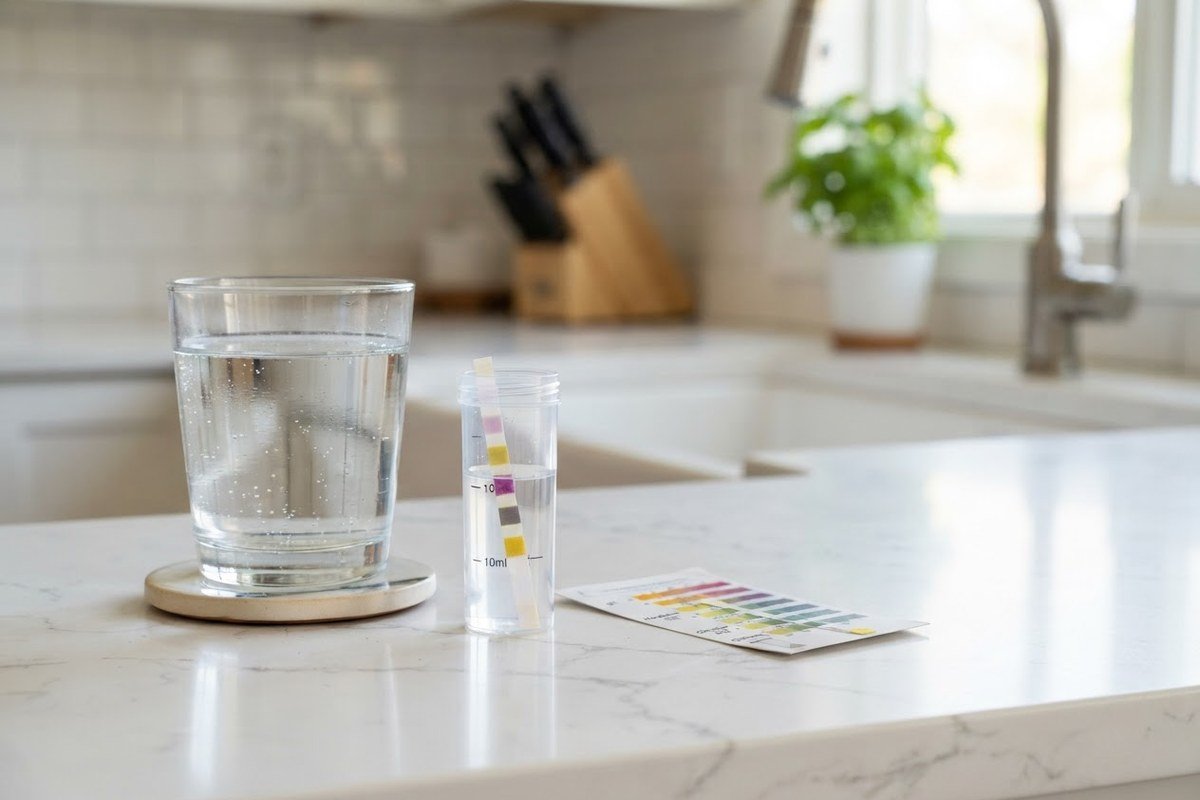
Often, yes — and it’s dramatically cheaper. U.S. tap water is regulated by the EPA with mandatory public reporting, and in most systems it meets every health standard. Quality varies by region, though: see our state-by-state breakdown at the drinking water quality by state hub, or jump straight to a state like Texas if that’s home.
Two practical moves beat brand-hopping:
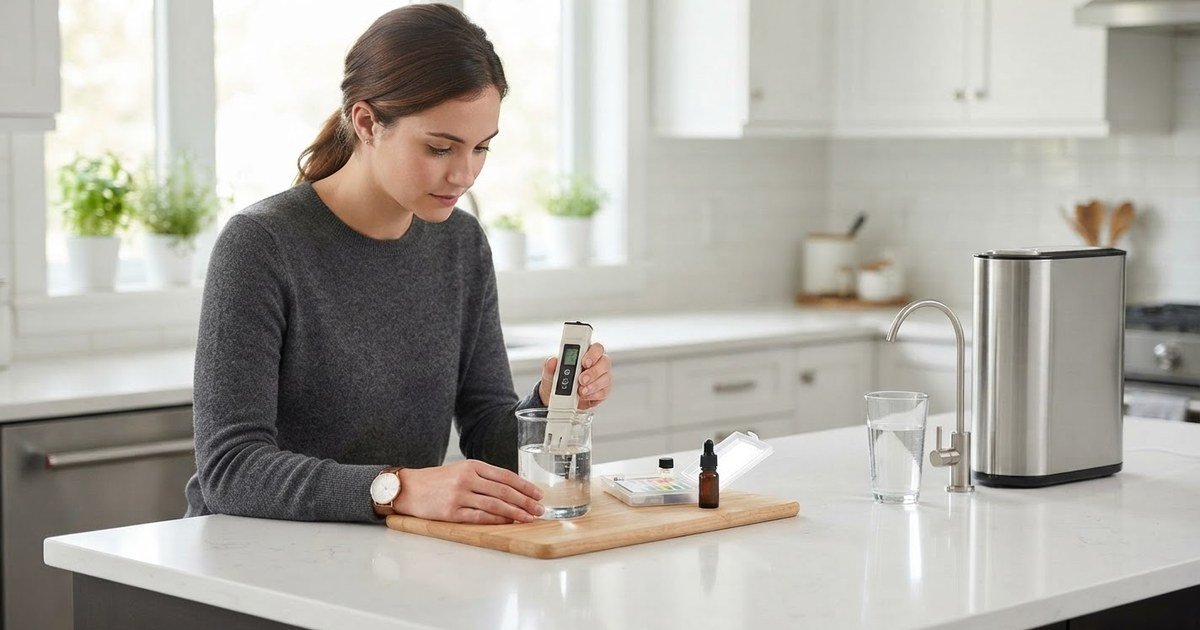
Bottled water isn’t automatically safer than what’s already in your kitchen — it depends entirely on your local supply, and on the bottle. The only way to know which is better in your case is to measure the one you already pay for. A certified lab test gives you the baseline to compare against.
Real Water alkaline water. The FDA linked it to an outbreak of acute non-viral hepatitis in 2021; the brand was recalled nationwide and the company shut down. It is no longer sold.
It’s improved. After registering the highest PFAS level in Consumer Reports’ 2020 test, Coca-Cola upgraded filtration and a 2021 retest showed levels roughly halved. It’s no longer the outlier it was, but it isn’t the lowest-PFAS option either.
The FDA’s standard of quality is 10 parts per billion, matching the EPA’s limit for tap water. Many brands test at or below 1 ppb, so there’s no need to accept a brand near the ceiling.
No. The EPA regulates public tap water; bottled water is regulated by the FDA as a packaged food. FDA standards largely mirror EPA’s, but bottled water has no enforceable federal PFAS limit and less frequent mandatory public reporting.
Not inherently. Both are generally safe in the U.S., but tap water rules require more public disclosure. The right answer for your household depends on your local system — check your state’s page on our state water quality hub or test your tap directly.
Stop drinking it, keep the receipt and lot number, and check the FDA’s recall database for instructions. Retailers refund recalled products, and the FDA accepts consumer reports of suspected illness linked to bottled water.
Last updated August 10, 2026. This article is for informational purposes only and is not medical advice — see our Health Disclaimer.
