
Beautiful Plants For Your Interior

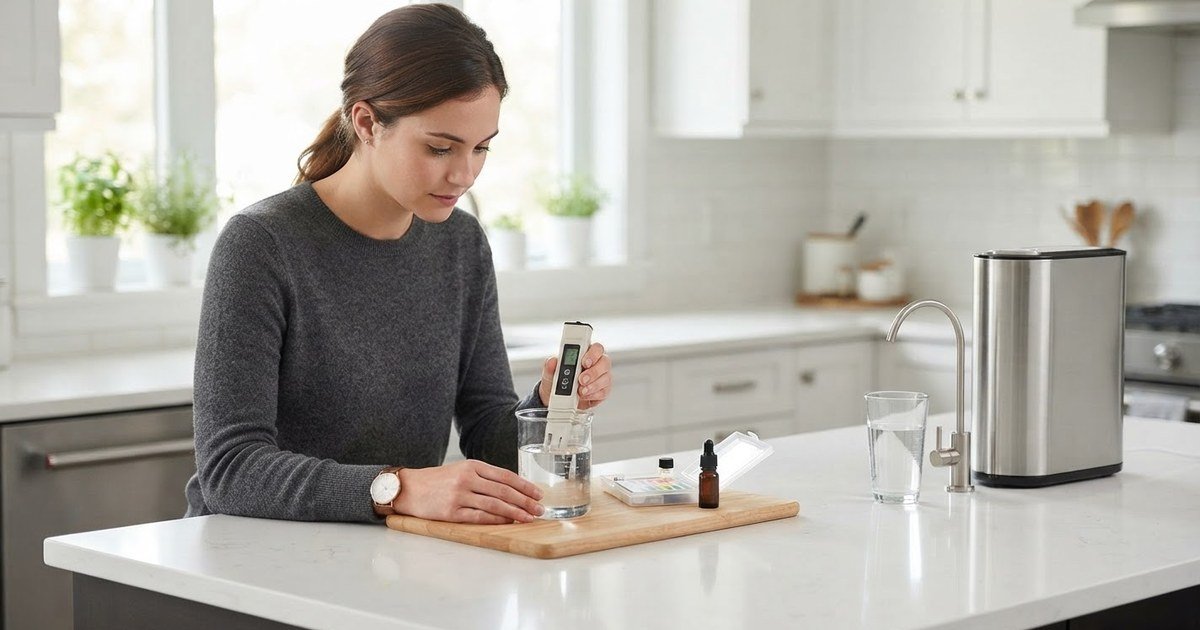
If you want the short answer: skip any bottled water with a documented contamination record. That list includes Real Water, which was recalled in March 2021 after the FDA linked it to an outbreak of serious liver illness, Peñafiel, where testing found arsenic above the 10 parts-per-billion federal limit in 2019, and Starkey, which was recalled for arsenic in 2016–2017 and tested just under the limit in 2019. Beyond specific names, stay away from any brand that won’t show you a current water quality report.
The rest of this guide walks through the brands with documented problems, the red flags that should make you put a bottle back on the shelf, and what to reach for instead. Where a claim comes from a regulator or an independent lab, we link the source so you can check it yourself.
Some links below are affiliate links. If you buy through them we may earn a commission at no extra cost to you. See our Affiliate Disclosure.
Most bottled water sold in the U.S. is safe and regulated by the FDA under its bottled water standard of quality (21 CFR 165.110), which caps arsenic at 0.010 mg/L (10 ppb) and lead at 0.005 mg/L (5 ppb). The brands below are the exceptions that made headlines for the wrong reasons — each backed by a recall, regulatory action, or published third-party testing.
| Brand | Issue | Level found | Source and date | Status as last reported |
|---|---|---|---|---|
| Real Water (alkaline) | Acute non-viral hepatitis outbreak | 21 probable cases, 4 suspect, 1 death (Nevada and California) | FDA investigation, March 16 – November 23, 2021 | All products recalled March 24, 2021; company agreed June 1, 2021 to cease operations until compliant |
| Peñafiel (mineral spring) | Arsenic | 18.1 ppb average in three samples | Consumer Reports, April 18, 2019 (updated June 28, 2019); FDA import alert since 2015 | Keurig Dr Pepper withdrew it from U.S. sale June 21, 2019 |
| Starkey Spring Water (Whole Foods) | Arsenic | 11.7 ppb and 12 ppb in recalled samples; 9.48–9.86 ppb (one sample 10.1 ppb) in 2019 tests | Recalls December 15, 2016 and about three weeks later; Consumer Reports 2019 | Recalled in 2016–2017; 2019 samples near the 10 ppb limit |
| Topo Chico (mineral water) | Total PFAS | 9.76 ppt (2020); 3.9 ppt average (2021 retest) | Consumer Reports, September 24, 2020 and February 12, 2021 | Company says it upgraded filtration; still above the 1 ppt level Consumer Reports uses to flag results |
On March 16, 2021, the FDA announced it was investigating “Real Water” brand alkaline water after it was linked to cases of acute non-viral hepatitis — sudden liver injury — in infants and children in the Las Vegas area. The company recalled all of its products on March 24, 2021, and by the end of the investigation the FDA counted 21 probable cases, four suspect cases and one death in Nevada and California. On June 1, 2021, the FDA announced the company had agreed to cease operations until it could comply with federal food law. It remains the starkest modern example of why “alkaline” and “premium” labels are not safety guarantees. If you live in the region where it was sold, our Nevada drinking water guide covers what’s actually in local tap water.
Peñafiel, a Mexican mineral spring water imported by Keurig Dr Pepper, drew scrutiny in 2019 when testing — including the company’s own — found arsenic levels above the FDA’s 10 ppb standard of quality. Consumer Reports’ three samples averaged 18.1 ppb, and the company’s new internal testing found about 17 ppb. Keurig Dr Pepper temporarily halted production at the Mexico plant to add filtration, and on June 21, 2019, withdrew Peñafiel from sale in the U.S. The FDA had seized the product in December 2014 and placed it on an import alert in 2015. Arsenic is a known carcinogen with no beneficial level, which is why regulators cap it aggressively.
Starkey Spring Water, sold by Whole Foods, was recalled twice — on December 15, 2016, after Florida regulators measured 11.7 ppb, and again about three weeks later after a sample tested at 12 ppb. Consumer Reports testing in 2019 measured samples between 9.48 and 9.86 ppb, with one at 10.1 ppb — higher than nearly every competing brand. When most brands test far lower, there’s little reason to choose one that hovers near the maximum.
In Consumer Reports’ testing of 47 bottled waters, published September 24, 2020, Topo Chico mineral water registered the highest total PFAS (“forever chemicals”) of any brand tested, at 9.76 parts per trillion. The company told Consumer Reports it had upgraded its filtration, and a retest published February 12, 2021, averaged 3.9 ppt — better, but still above the 1 ppt total-PFAS level Consumer Reports uses to flag results. Consumer Reports has called for an enforceable federal PFAS limit for bottled water. Worth knowing: the EPA’s 4 ppt limits for PFOA and PFOS apply to public tap water, not bottled water, and the FDA told Consumer Reports in 2020 that setting a bottled water PFAS limit would be “premature.”
Brand names aside, some categories deserve extra caution:
Use this quick checklist in the store:
The good news: most major brands test far below every federal limit. Look for bottlers that publish current reports and consistently post low arsenic and low PFAS results. We keep a regularly updated ranking in our guide to the safest bottled water brands in America, and a broader overview on our bottled and drinking water pillar page.
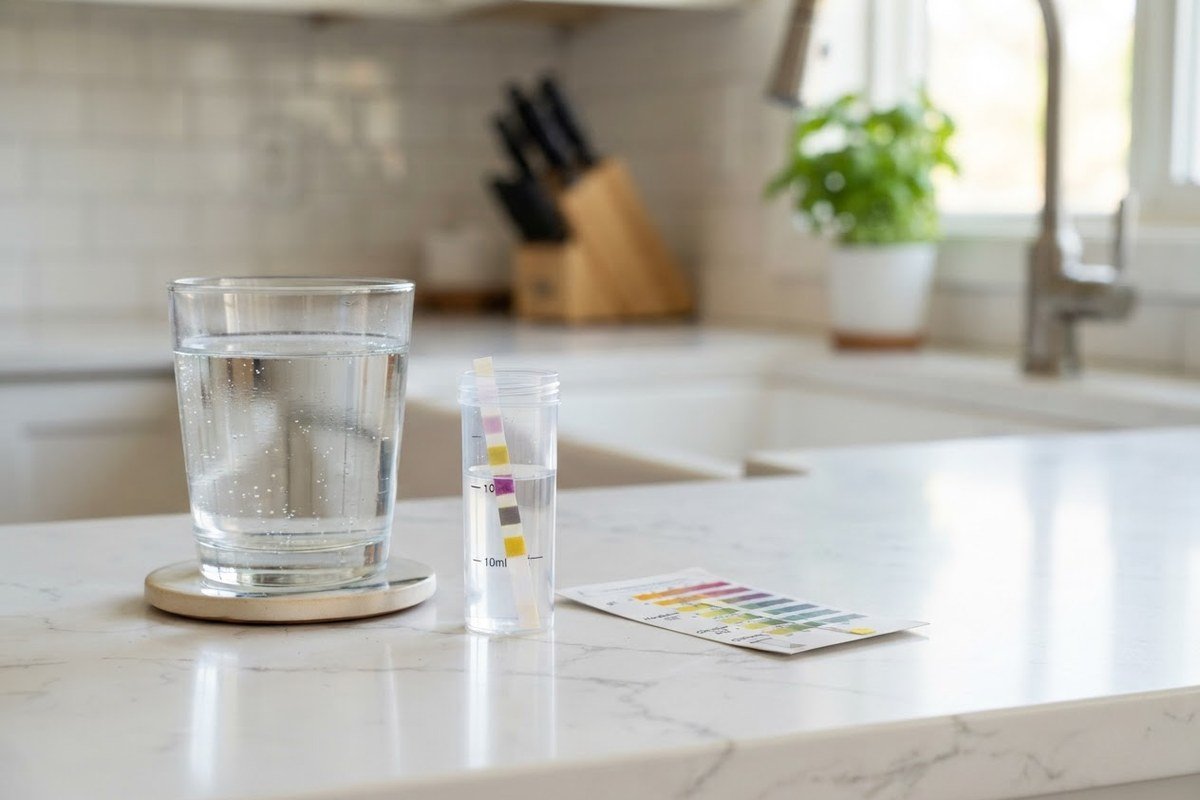
Often, yes — and it’s dramatically cheaper. U.S. tap water is regulated by the EPA with mandatory public reporting, and in most systems it meets every health standard. Quality varies by region, though: see our state-by-state breakdown at the drinking water quality by state hub, or jump straight to a state like Texas if that’s home. If you are weighing a daily habit, our look at drinking bottled water every day covers fluoride, plastics and cost.
Two practical moves beat brand-hopping:
If arsenic or PFAS is the reason you’re scrutinizing bottle labels, a certified lab test shows whether your own tap water has the same problem.
Real Water alkaline water. The FDA linked it to an outbreak of acute non-viral hepatitis in Nevada and California; the company recalled all of its products on March 24, 2021, and later agreed to cease operations. It is no longer sold.
It’s improved. After registering 9.76 ppt total PFAS in Consumer Reports’ 2020 test, the company said it upgraded filtration, and a February 2021 retest averaged 3.9 ppt. It’s no longer the outlier it was, but it isn’t the lowest-PFAS option either.
The FDA’s standard of quality is 0.010 mg/L (10 parts per billion), matching the EPA’s limit for tap water. Consumer Reports has argued the bottled water limit should be lowered to 3 ppb.
No. The EPA regulates public tap water; bottled water is regulated by the FDA as a packaged food. FDA standards largely mirror EPA’s, but bottled water has no enforceable federal PFAS limit and no mandatory public reporting like a utility’s annual Consumer Confidence Report.
Stop drinking it, keep the receipt and lot number, and check the FDA’s recall listings for instructions. Retailers refund recalled products, and the FDA accepts consumer reports of suspected illness linked to bottled water.
Last updated October 31, 2026. This article is for informational purposes only and is not medical advice — see our Health Disclaimer.

[…] of that is grounded in documented testing; much of it is not. We covered which claims hold up in bottled water brands with documented problems, and our bottled and drinking water guide covers how to evaluate a brand […]
[…] These compounds accumulate in the environment and human tissues over time. This makes even low-level exposure a significant concern for families who rely on specific sources for their daily hydration needs. For the brands that have actually been recalled or flagged, see our list of bottled water brands with documented contamination problems. […]