
Beautiful Plants For Your Interior

Wondering what brand of bottled water is the safest to drink? We reviewed top US brands to help your family make informed, healthy choices for your home.
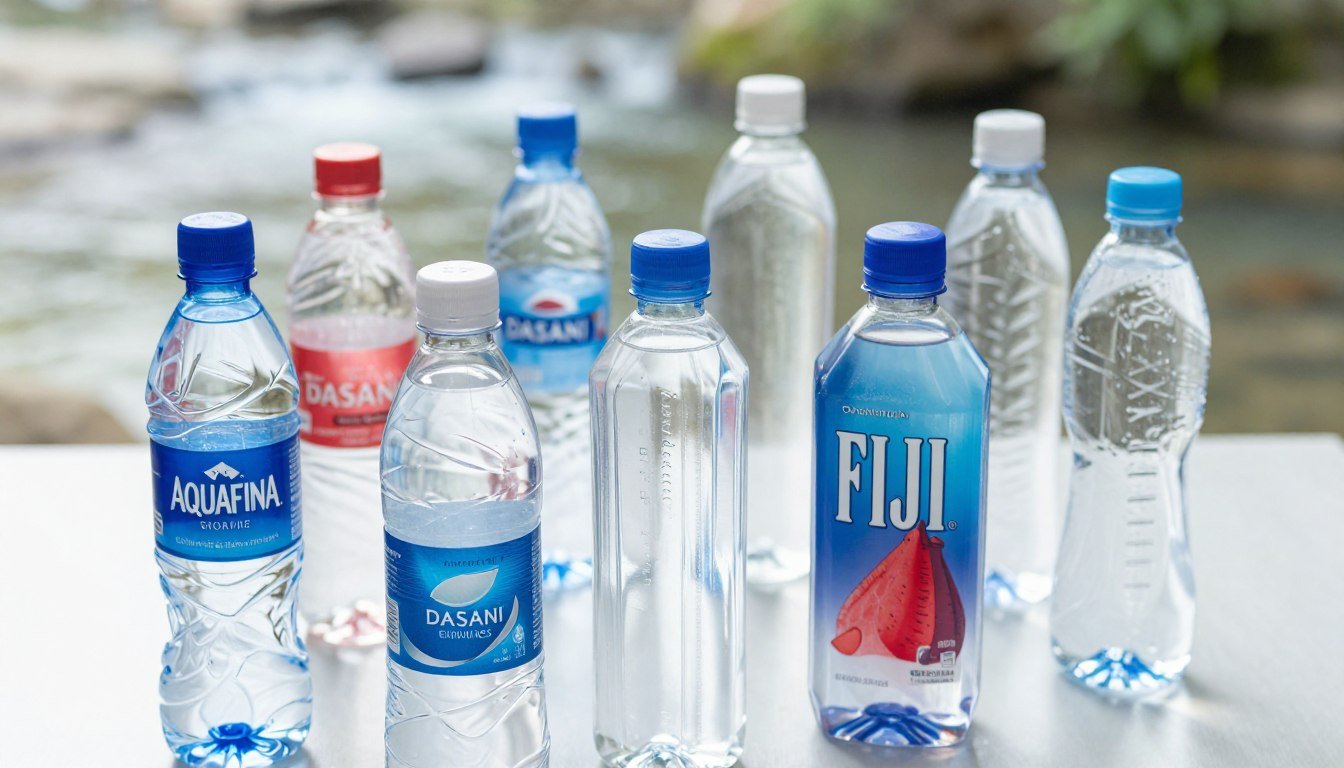
No single brand of bottled water is officially the safest to drink, because the FDA regulates all U.S. bottled water to roughly the same standards as tap water and no agency ranks brands. The safest choices are brands that publish a complete, recent lab report showing PFAS and arsenic at non-detect or near it, use purified (reverse osmosis) water or a protected spring, and come in glass or aluminum rather than plastic. A brand that won’t share its test results is the one to skip.
HowStuffWorks’ look at the healthiest bottled water lands on similar criteria. Here is how to check any brand yourself.
Some links below are affiliate links. If you buy through them we may earn a commission at no extra cost to you. See our Affiliate Disclosure.
The FDA regulates bottled water as a food. Its quality standards (21 CFR 165.110) generally match EPA’s limits for tap water, and bottlers must follow current good manufacturing practice rules (21 CFR 129). Two gaps matter: FDA has no PFAS limit for bottled water yet, and bottlers are not required to publish their test results the way utilities must. California is stricter on disclosure: bottlers selling there must provide a water quality report on request.
| Type | Source | Safety upside | Watch for |
|---|---|---|---|
| Purified | Often municipal water, then RO or distilled | Lowest levels of most contaminants | Plastic packaging; few minerals |
| Spring | Underground source that flows to the surface | Natural minerals; protected sources are clean | Naturally occurring arsenic in some springs |
| Mineral / artesian | Protected aquifers | Consistent mineral content | Higher dissolved solids; check arsenic and PFAS |
| Sparkling | Any of the above, carbonated | Same as source | Some carbonated waters have tested higher for PFAS |
A 2024 study in Proceedings of the National Academy of Sciences used a new imaging method on three popular brands and found an average of about 240,000 plastic particles per liter, most of them nanoplastics too small to see with older methods. The health effects are still being studied, but if microplastics concern you, glass bottles or filtered tap water in a glass or steel bottle avoid most of them. Avoid leaving plastic bottles in hot cars or sun, which increases leaching.
Usually not, if your utility meets standards. Bottled water makes sense during boil-water notices, when your tap has a known problem such as lead or PFAS, or when traveling. California’s utilities, for example, publish detailed water reports that many bottled brands don’t match (see is California tap water safe to drink). In Florida, where hurricanes regularly trigger boil-water notices, keeping a bottled supply is practical emergency planning (see Florida drinking water quality).
Recalls and test findings change over time, so check before you buy. We track brands with documented recalls, arsenic findings and PFAS results in what bottled water you should stay away from.
Bottled water isn’t automatically safer than what’s already in your kitchen — it depends entirely on your local supply, and on the bottle. The only way to know which is better in your case is to measure the one you already pay for. A certified lab test gives you the baseline to compare against.
Several brands report PFAS at non-detect in their published lab reports. Purified (reverse osmosis) waters generally test lowest. Check the brand’s current report rather than relying on a label.
Not necessarily. Purified water usually has fewer contaminants; spring water keeps natural minerals but can also contain naturally occurring arsenic.
The FDA sets standards and inspects bottlers, but routine testing is done by the bottlers themselves, and they do not have to publish results.
Glass avoids microplastics and chemical leaching from plastic. The water itself still depends on the source and treatment.
Look on the brand’s website, usually under FAQ or quality. Bottlers selling in California must provide one on request.

[…] ranked comparison that weighs testing, source, and overall safety record together, see our guide to the safest bottled water brands in America. If taste and popularity matter more to you than certification paperwork, our top 5 drinking water […]
[…] post low arsenic, low PFAS results. We keep a regularly updated ranking in our guide to the safest bottled water brands in America, and a broader overview on our bottled and drinking water pillar […]