
Beautiful Plants For Your Interior

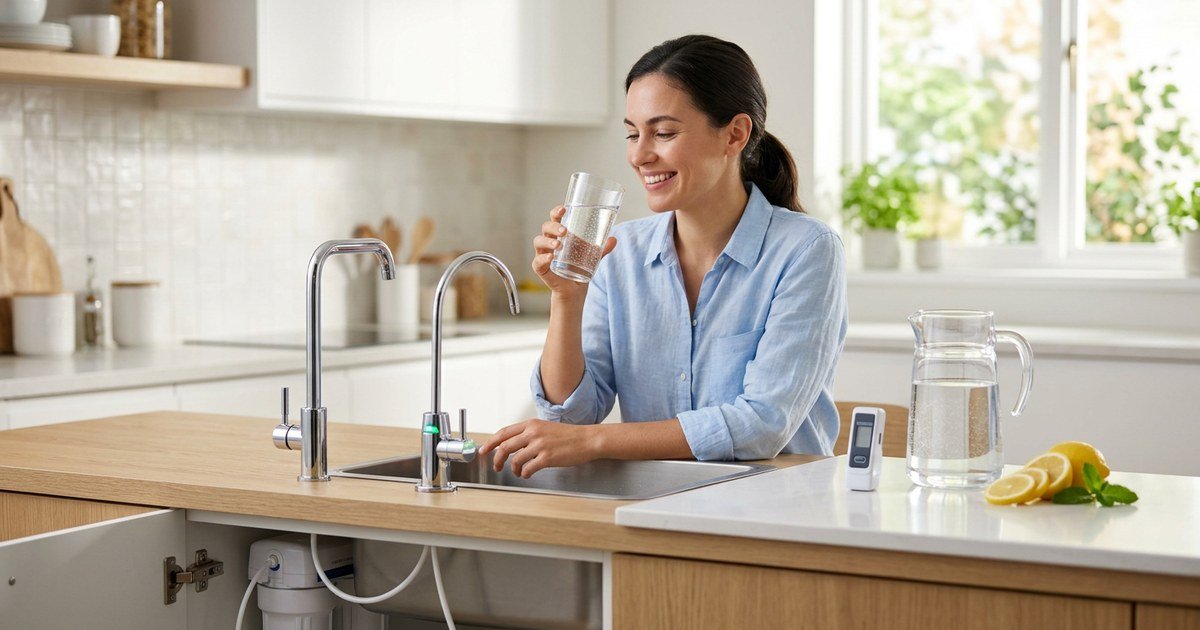
What I wish I knew before starting GLP-1 is that hydration makes or breaks the experience. The most common early problems on GLP-1 medications like Ozempic, Wegovy, Mounjaro, and Zepbound — nausea, constipation, fatigue, and dizziness — are often worsened by the dehydration that happens when these drugs quietly switch off your thirst signal. Drink water deliberately from day one, replace electrolytes when you have any GI symptoms, and pair fluids with protein and fiber, and the first months get dramatically easier.
GLP-1 receptor agonists slow how fast your stomach empties and reduce appetite, which is exactly how they help with weight loss. But that same mechanism dulls the signals that normally tell you to eat and drink. Many people simply forget to drink, get dehydrated, and then blame the medication for symptoms that better hydration would have prevented. Here is what experienced patients and clinicians wish every beginner understood.
Some links below are affiliate links. If you buy through them we may earn a commission at no extra cost to you. See our Affiliate Disclosure.
On a GLP-1, “drink when you’re thirsty” stops working, because the thirst cue itself is blunted. The U.S. CDC notes that plain water is the best everyday choice for staying hydrated, and that needs go up with body size, activity, and heat. A practical target many clinicians suggest is roughly half your body weight in ounces per day as a starting point (for example, 80 ounces for a 160-pound person), adjusted up in summer or with exercise — but check with your own prescriber.
The single most useful habit is to make water visible and measured. A time-marked motivational water bottle turns “drink more” into a concrete schedule you can actually follow. If your tap water tastes off and that keeps you from drinking, a simple filter pitcher often fixes the taste and removes that excuse. Water quality varies widely by location; you can see how your area compares on our drinking water quality by state hub.
Plain water alone is not always enough, especially if you have any nausea, vomiting, or diarrhea in the early weeks or after a dose increase. Vomiting and diarrhea flush out sodium, potassium, and magnesium, and the National Institutes of Health (NIDDK) warns that fluid and electrolyte losses from GI illness can lead to dehydration that, untreated, may strain the kidneys. Because GLP-1 medications can cause these GI side effects, replacing electrolytes — not just water — is a sensible precaution.
An electrolyte hydration powder or zero-sugar electrolyte tablets dropped into your daily bottle make this easy. Look for products with meaningful sodium and potassium and little or no added sugar. If you ever feel persistently dizzy, lightheaded on standing, or notice very dark urine, treat it as a signal to rehydrate and, if it continues, to call your clinician.
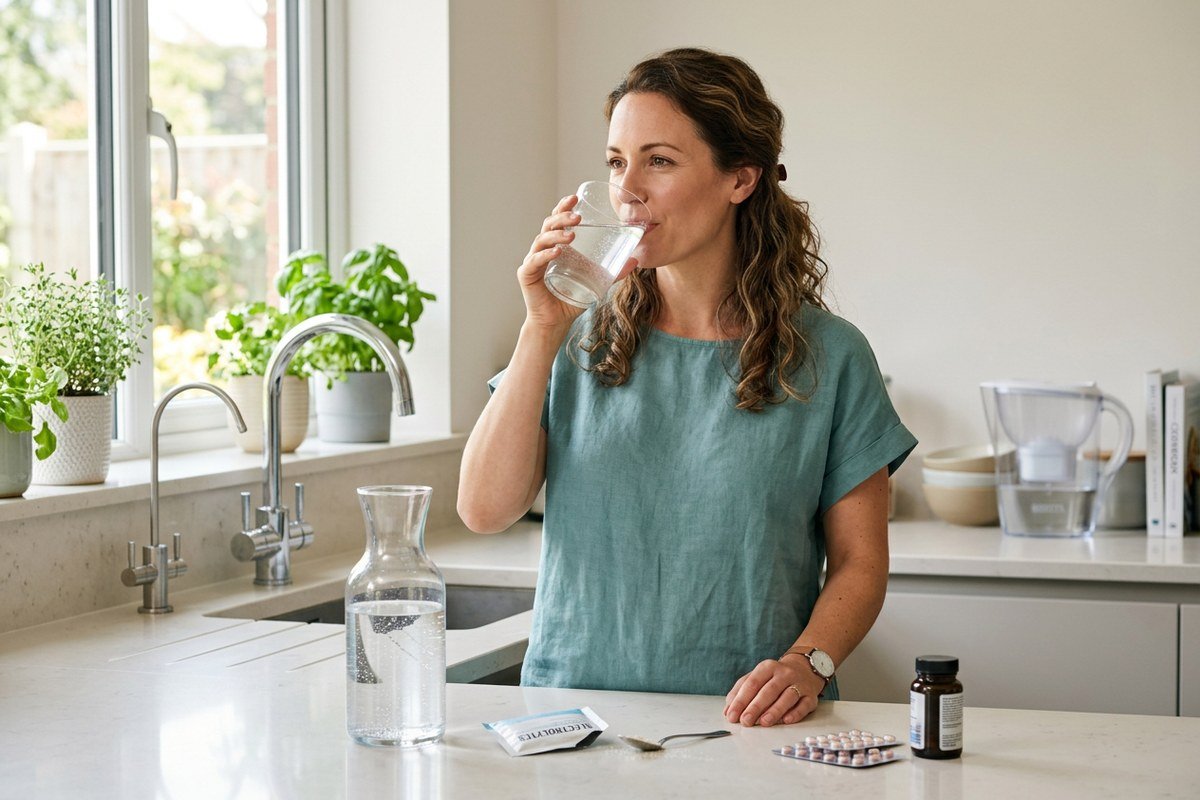
Slowed digestion is a feature of how GLP-1 drugs work, and constipation is one of the most frequently reported side effects on the FDA labeling for semaglutide and tirzepatide products. The standard first-line response is unglamorous but effective: more fluid, more fiber, and more movement. Fiber needs water to work — taking a fiber supplement without enough fluid can make constipation worse, not better.
Many people do well adding a gentle psyllium fiber supplement with a full glass of water, plus a daily walk. If you want the deeper background on how fluid balance affects energy, digestion, and mood, our hydration and health guide covers it in detail.
A lot of what beginners label “the medication making me feel awful” is actually mild dehydration: headache, fatigue, brain fog, lightheadedness, and even hunger-like sensations. Before assuming a symptom is the drug, it is worth ruling out low fluid intake first. We cover this overlap in our guide to conditions that are commonly mistaken for dehydration. Keeping a half-gallon insulated water jug on your desk is a low-effort way to keep intake steady through the day.
Because GLP-1 medications reduce how much you eat, it is easy to under-consume protein, which matters for preserving muscle during weight loss. Aim to anchor each small meal around protein, and drink fluids between meals rather than chugging large volumes with food, which can worsen fullness and nausea. Sip steadily; don’t flood.
The people who have the smoothest start tend to have a routine rather than good intentions. A workable template looks like this: drink 12–16 ounces of water when you wake up, before you eat or take anything else; refill a measured bottle and finish it by lunch; add an electrolyte serving on any day you have nausea, a workout, or hot weather; and stop heavy drinking 60–90 minutes before bed so sleep isn’t broken up. Sip steadily between meals instead of drinking large amounts with food, which can intensify the fullness and queasiness many people feel in the first weeks.
Front-load fluids earlier in the day, when nausea is usually milder, so you are not trying to catch up at night. If cold water is easier to tolerate when you feel queasy, keep it chilled; if warm fluids sit better, herbal tea and broth also count toward both fluid and electrolytes. The goal is steady, boring consistency — not heroic single-session chugging, which your slowed stomach will not appreciate.
Knowing the red flags lets you act before mild dehydration becomes a real problem. Watch for dark yellow or amber urine and infrequent urination, a dry mouth and lips, headache, unusual fatigue or brain fog, muscle cramps, and feeling lightheaded or dizzy when you stand up. A rapid heartbeat or feeling faint is a sign to rehydrate promptly and, if it does not improve, to contact your clinician.
Because GLP-1 medications blunt thirst, you cannot rely on feeling thirsty as your warning system — by the time you do, you may already be behind. Use urine color as a quick daily check: pale straw is the goal. If you have repeated vomiting or diarrhea, do not try to push through with water alone; replace electrolytes and call your prescriber, since ongoing fluid loss is the situation most likely to strain the kidneys.
Side effects tend to spike in the days after starting and after each dose escalation. Front-load your hydration during those windows. And always tell your prescriber what you are experiencing — dehydration that progresses can, in rare cases, contribute to acute kidney injury, which is why staying ahead of fluid loss is more than a comfort issue.
A common starting point is about half your body weight in ounces per day, increased for heat, exercise, or any vomiting or diarrhea. Because thirst is blunted on these drugs, drink on a schedule rather than waiting to feel thirsty, and confirm a target with your prescriber.
These medications reduce appetite and thirst and can cause nausea, vomiting, or diarrhea, so many people drink less while losing more fluid. The combination makes dehydration common, especially in the first weeks and after dose increases.
Plain water is fine for most ordinary days, but if you have any GI side effects you also lose electrolytes. Adding a low- or no-sugar electrolyte powder or tablet helps replace sodium and potassium and can ease fatigue and lightheadedness.
Severe or prolonged dehydration — particularly from repeated vomiting or diarrhea — can strain the kidneys and, in rare cases, contribute to acute kidney injury. This is
