
Beautiful Plants For Your Interior

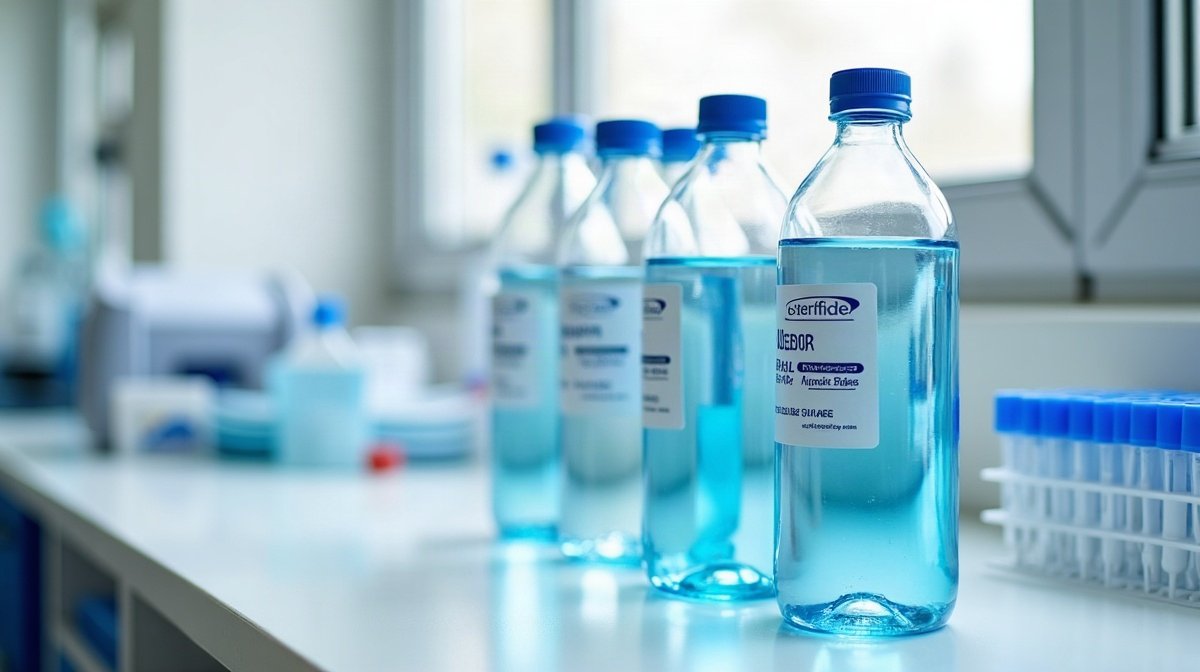
The 5 types of water quality tests are bacterial (coliform and E. coli), inorganic chemical (nitrate, arsenic, lead and other metals), organic chemical (pesticides, solvents and PFAS), radiological (radon, uranium and radium), and physical or aesthetic (pH, hardness, total dissolved solids and turbidity). For a private well, the CDC’s minimum is a bacteria and nitrate test every year; the other categories depend on your area’s geology, land use, and your plumbing.
The CDC’s guidelines for testing well water set out that baseline. Below is what each test type finds, who needs it, and how to get it done right.
| Test type | What it finds | Who needs it | How often |
|---|---|---|---|
| 1. Bacterial | Total coliform, E. coli | Every private well | Every year, and after flooding or repairs |
| 2. Inorganic chemical | Nitrate, arsenic, lead, copper, manganese, fluoride, uranium (as a metal) | All wells; older homes for lead | Nitrate yearly; metals at least once, then every 3 to 5 years |
| 3. Organic chemical | VOCs (solvents, fuel), pesticides, PFAS | Near farms, gas stations, landfills, military or industrial sites | Once as a baseline, then if land use changes |
| 4. Radiological | Radon in water, uranium, radium, gross alpha | Granite and shale regions (New England, Rockies) | Once, repeat if high |
| 5. Physical / aesthetic | pH, hardness, TDS, turbidity, iron, sulfide | Anyone with taste, odor, stain or scale problems | As needed; useful before buying treatment |
Total coliform bacteria are an indicator: most are harmless, but finding them means surface water or waste can reach the well. E. coli is the specific sign of fecal contamination and means do not drink the water until it is treated. These samples must reach a lab within about 24 to 30 hours in a sterile bottle, so they can’t be done reliably with a mail-in kit that sits for days.
This group covers the contaminants most likely to affect health in well water. Nitrate (from fertilizer and septic systems) is dangerous for infants above 10 mg/L. Arsenic comes from rock and has no safe level; the legal limit for public systems is 10 ppb. Lead and copper usually come from household plumbing, so city customers in older homes should test the tap even when the utility’s report looks clean.
Volatile organic compounds (VOCs) include fuel components and industrial solvents. Pesticide panels matter in farm country. PFAS tests are now widely available from certified labs and are worth doing near airports, military bases, firefighting training sites, and factories that used PFAS. These tests cost more, so most households do them once as a baseline.
Radon, uranium and radium come from granite and some shale. In New England, radon and arsenic in well water are common enough that state agencies urge every well owner to test. New Hampshire estimates that about one in five private wells has arsenic above the federal limit (see New Hampshire drinking water), and Maine has similar arsenic and radon problems in its bedrock wells (see Maine tap water quality).
pH, hardness, total dissolved solids (TDS), turbidity, iron, manganese and hydrogen sulfide explain most taste, smell, stain and scale complaints. They rarely indicate a health risk on their own (manganese is the exception at high levels), but they decide which treatment equipment will work, so test them before buying a softener or filter.
For a step-by-step sampling walkthrough, see how to test well water at home.
Your utility tests for all five categories and publishes the results in its annual water quality report. What it can’t test is your own plumbing, so the one test most city households should consider is lead at the kitchen tap, especially in homes built before 1986.
A yearly test for total coliform bacteria and nitrate. Those are the CDC’s minimum, and they catch the most common short-term health risks.
A basic bacteria and nitrate test is usually inexpensive at a state-certified lab. Full panels that add metals, VOCs, PFAS and radon cost considerably more.
Strips are useful for hardness, pH and chlorine. For bacteria, arsenic, lead, nitrate and PFAS, use a certified lab.
Your utility tests regularly, so most households don’t. The exception is lead, which comes from household plumbing and should be tested at your own tap in older homes.
Bacteria and nitrate every year; metals and other chemicals at least once and then every few years, plus anytime taste, smell or color changes.

[…] Neither certification tells you exactly what was found in a specific bottle, though — that’s a question of test methodology, not certification status. For a breakdown of what each type of water test actually measures — TDS, pH, microbial, chemical panels — see our guide to the 5 types of water quality tests. […]
[…] so our walkthrough on how to test well water at home is the starting point, and our overview of the five types of water quality tests explains which panel finds which contaminant. For a lab result from your own faucet, […]
[…] local health department which other germs or chemicals are common where you live. Our breakdown of the main types of water quality tests explains what each category of lab panel […]